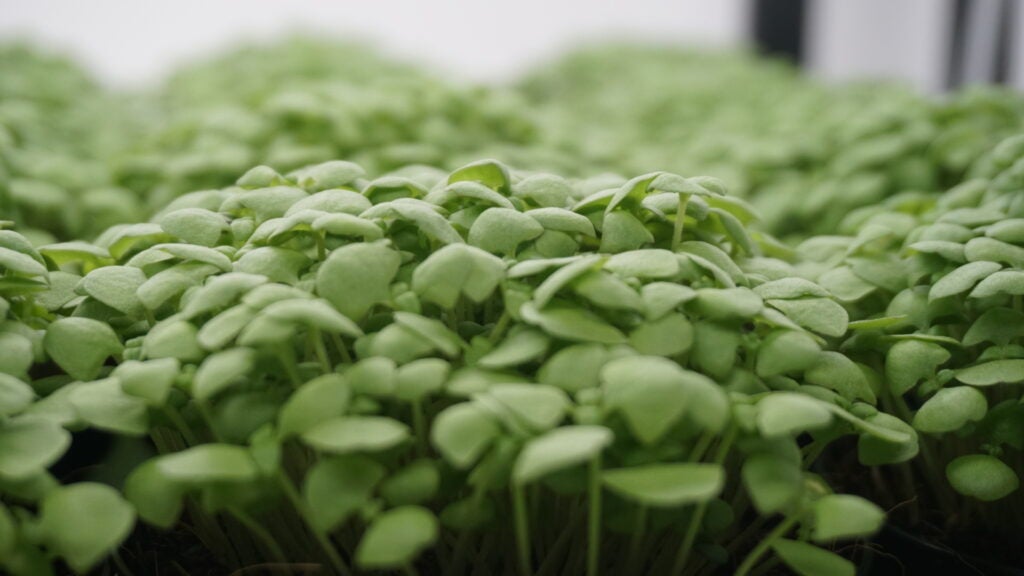
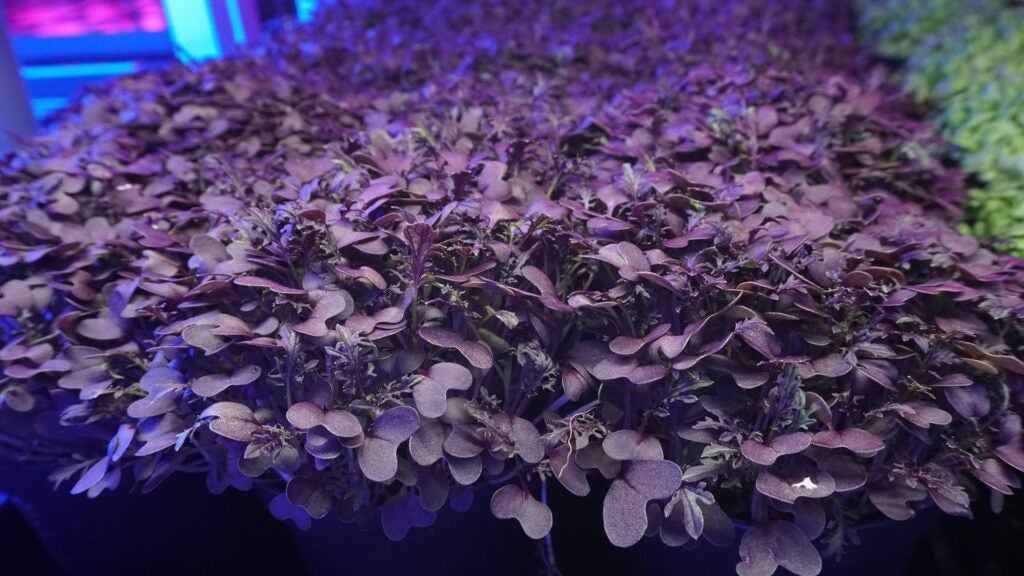
It started small in 2020 — just trays of microgreens, grown at home between lectures and assignments when she was an NUS undergraduate.
For Ms Yuki Ong (Arts & Social Sciences ’23), it was never meant to be more than an experiment. “We were a group of friends trying to understand how food was grown,” she says. “I thought it was a small project.”
But the questions they were asking soon outgrew the project.
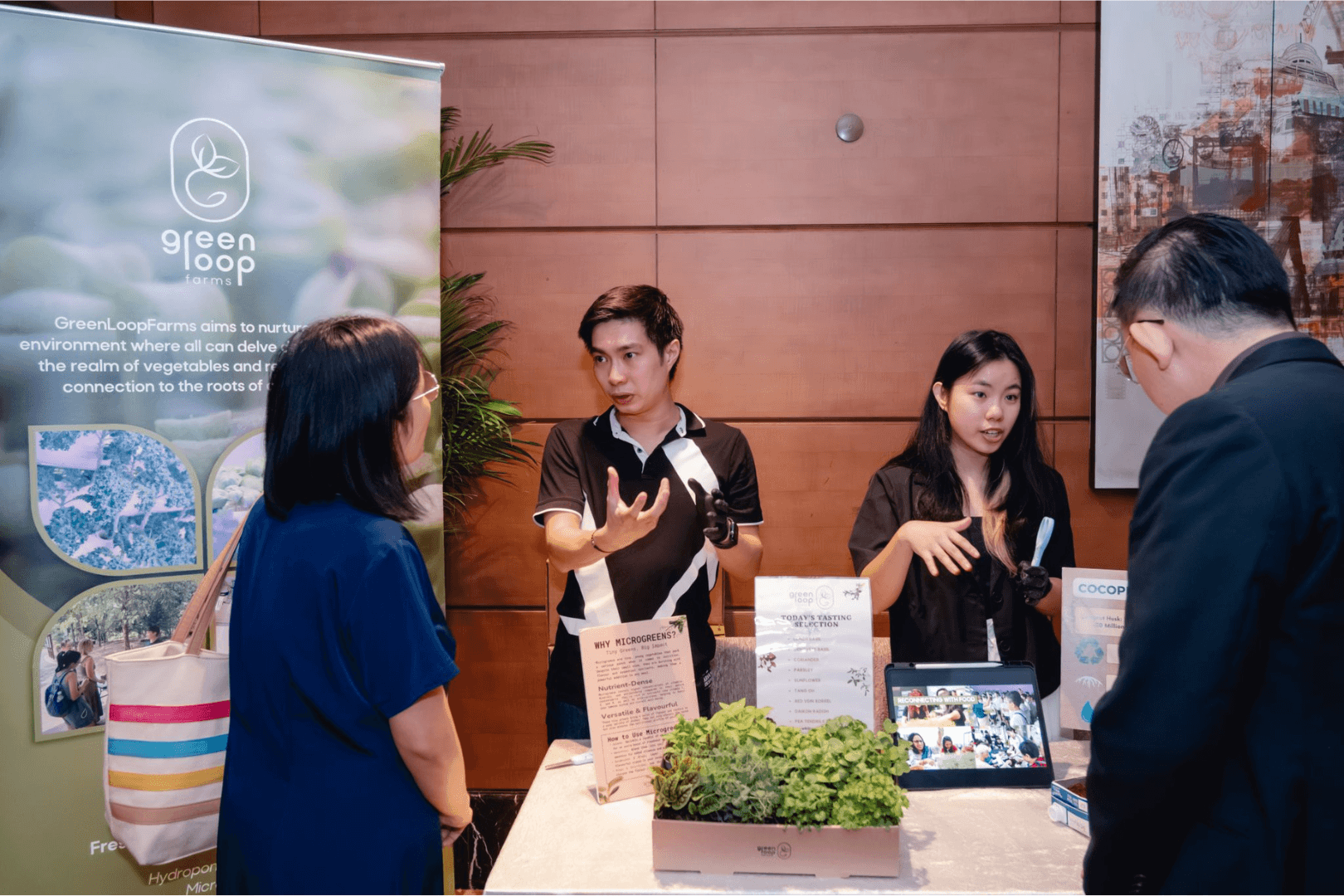
Over the next two years, those home-based experiments grew into GreenLoopFarms, an urban hydroponics venture she built with four other co-founders. Today, operating out of an industrial space in Gambas Crescent, the farm produces up to 300 kg of vegetables a month, supplying local restaurants while opening its doors for educational tours and workshops.
But scale was never the point. From the beginning, the idea was bigger than the produce itself.
Making Food Systems Visible
Long before the farm, Ms Ong had always been drawn to the natural world. An early stint as a zookeeper became a turning point.
“That was when my respect for nature really grew,” she recalls.
That perspective shaped her decision to major in geography at NUS, where she learnt to look beyond individual issues. “Geography taught me to see bigger systems in everyday processes,” she says.
GreenLoopFarms grew out of that way of seeing.
“A lot of us take the environment for granted,” she notes. “We enjoy fresh air, shade — without a second thought.” Over time, she adds, this creates a “one-sided relationship” with nature, where growth, especially in business and global systems, often comes at its expense.
Changing that relationship has to start somewhere familiar. “Food is one of the easiest ways,” she says. “It’s relatable. Everyone has to eat. It’s been said that the world produces enough food. But it doesn’t always reach the people who need it.”
To make that imbalance visible, GreenLoopFarms was created to demonstrate how food can be produced with a lighter footprint: its hydroponic system uses less water than conventional farming and reduces fertiliser runoff. Growing locally shortens supply chains, while producing crops on demand helps keep wastage low.
More importantly, the farm was not just about sustainable production. It serves as a platform for people to see, taste and question how food reaches their plates, and what it takes to grow and consume it more responsibly.
Growing On Their Own Terms
The journey, however, has been anything but straightforward. With backgrounds in engineering, communications and geography, none of the founders had formal training in agriculture or business. They had to start from scratch.
In the first two years of experimenting with microgreens, Ms Ong took part in entrepreneurship programmes and established connections within the industry. Experienced farmers shared valuable knowledge, while suppliers and collaborators became part of the ongoing learning process. “We’re still learning every day,” she says.
The team chose early on to grow on their own terms “Being new, we weren’t ready to commit to the requirements of government grants,” Ms Ong says. The founders bore the costs of the business, holding down jobs outside the venture and using their own funds. “We were bootstrapping all the way.”
That same caution shaped how the farm grew. Despite a recent expansion that increased capacity significantly, the farm continues to stay with its demand-driven model. Like-minded restaurants form their main clientele. Chefs place orders in advance; crops are grown accordingly with about 10 per cent extra for retail consumers.
It is a deliberate trade-off. The model means turning away last-minute demand, but it also allows GreenLoopFarms to show what it takes to keep food wastage low: growing only what is needed and in harmony with nature’s own pace. A small pot of microgreens needs one to two weeks to be ready and leafy greens could take a month or longer.
“Chefs are among the few who fully appreciate the time and care needed to grow quality produce. In today’s society, where convenience and short delivery times are expected, many people don’t always realise why food takes time to grow,” Ms Ong says. “But when it comes to food, you can’t rush it. You can’t force it to grow faster.”
Making Sustainability Tangible
Production is just one aspect. Creating conversations about food systems and reframing mindsets is the key mission.
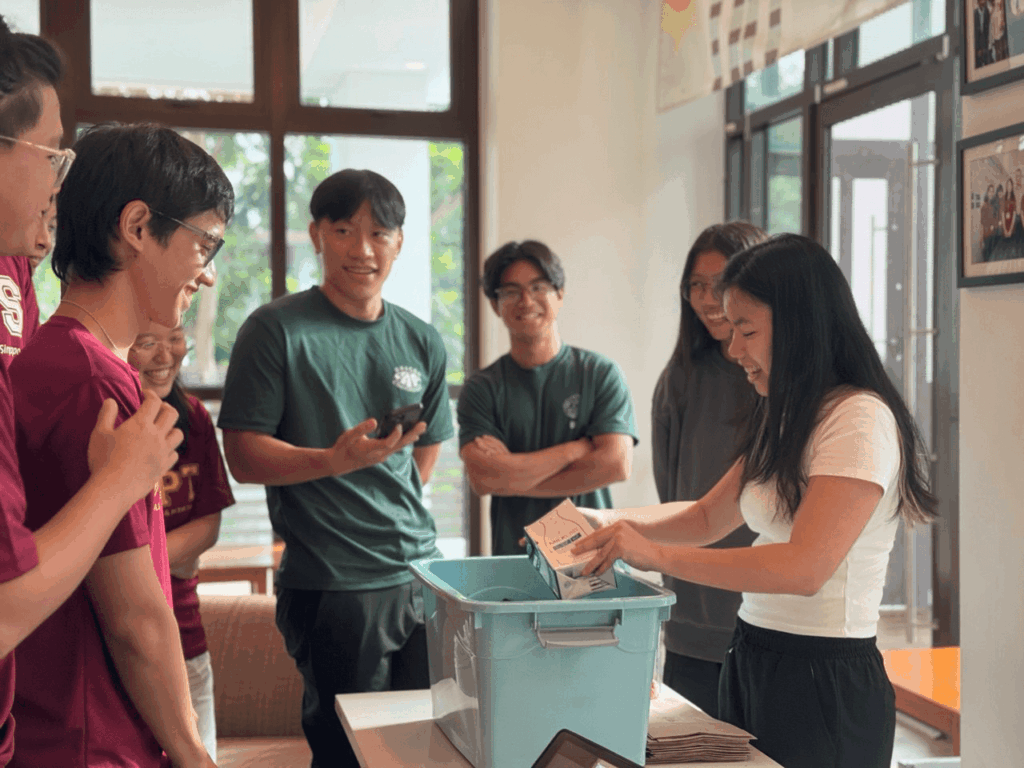
Through tours and workshops, people can go behind the scenes, ask questions and see for themselves how crops are grown. Programmes are aimed at encouraging participants to rethink their relationship with vegetables and try growing their own. “We’re trying to start a revolution in food culture,” she adds.
To date, around 5,000 participants have passed through its programmes, and some have told Ms Ong that they have changed their diets to make more sustainable choices. To her, this matters as much as any business metric. “That’s how we measure success.”


Taste is also part of the lesson. The farm’s bestselling microgreen, scarlet frills mustard, has developed a following of its own, with customers snacking on it “like wasabi potato chips”. By making vegetables surprising, flavourful and hands-on, GreenLoopFarms hopes to help people see them not as an obligation, but as something to enjoy, grow and understand.
Working so closely with fresh produce has also changed how Ms Ong thinks about food — not just in terms of sustainability, but in how it tastes and how it feels. “You start to appreciate the layers of natural flavours more,” she says, adding that it has also made her more aware of the impact food has on her energy levels and overall well-being.
Planting Seeds
“With every workshop, every conversation, we’re planting seeds,” she notes. “People often associate sustainability with agriculture but consumer choices shape what and how producers grow. That’s where change happens.”
The reality, she acknowledges, is that this kind of change takes time. The business itself spent years in the red before moving towards sustainability. Staying the course requires both conviction and compromise. “It helps that I don’t have other financial obligations,” she says frankly. “It allows me to commit fully.”
But beyond the practicalities, it comes down to something simpler. “It’s important to find meaning in what you do,” she says. “That’s what carries you through in the long term.”
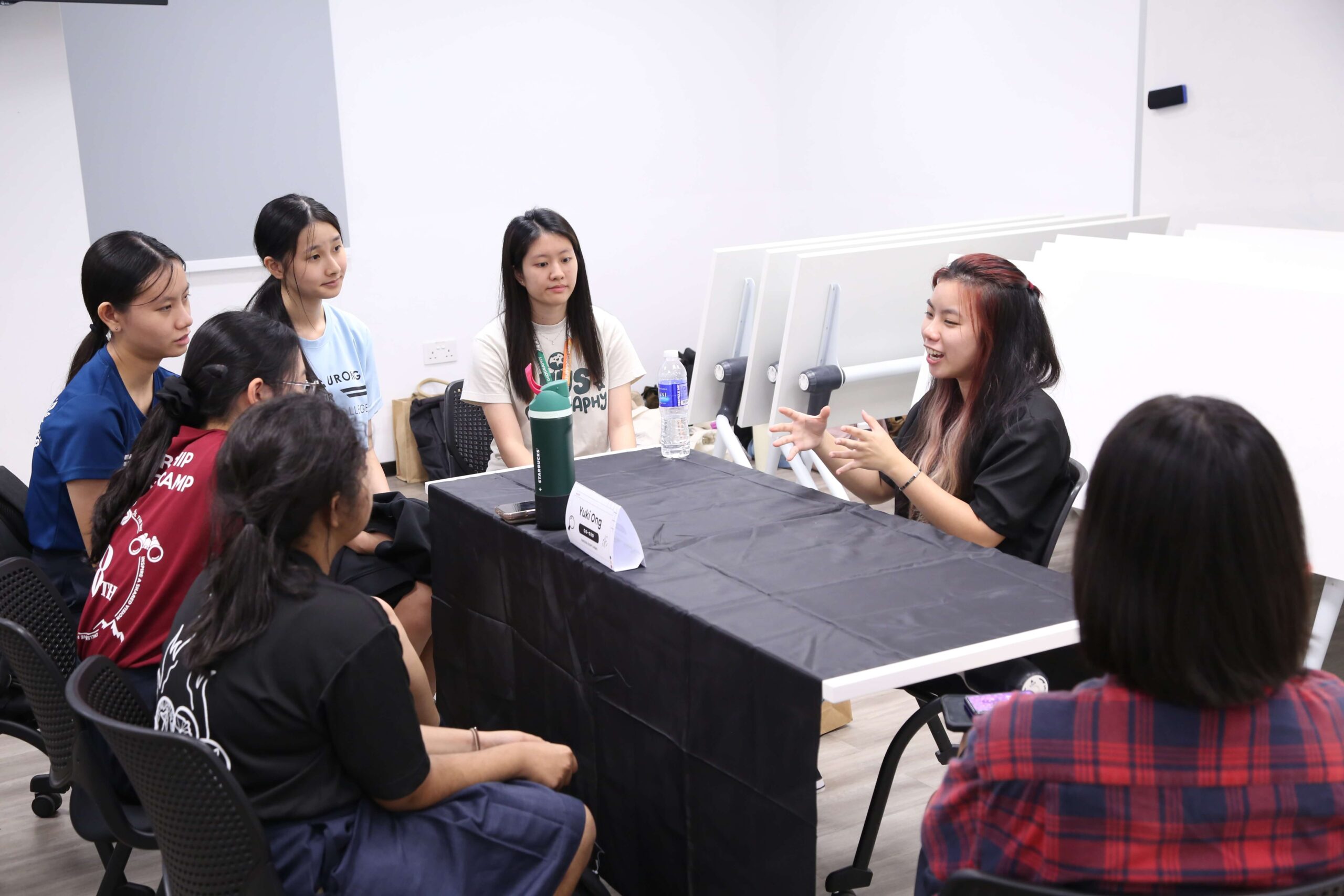
That endeavour has also brought her back to NUS. Today, Ms Ong returns to campus as an alumna and guest speaker, joining geography classes each semester to share her journey and speak with students about sustainability. She also remains close to the department. “I really enjoy keeping in touch with my geography professors,” she says. “They are very inspiring in the work that they do for the environment.”
Food takes time to grow. So do the habits, attitudes and systems that GreenLoopFarms hopes to change. For Ms Ong and her team, that is reason enough to keep planting the seeds.
-
From Construction to Conservation: How Daphne Ong is Reconnecting People with Nature Through Wild SpaceAfter nearly two decades in the construction industry, NUS alumna Ms Daphne Ong ... -
From Cancer Drugs to Hair Dyes: The Science of Making Molecules BehaveFrom powerful drugs to everyday products, Professor Giorgia Pastorin’s work is... -
From Churning it Safe to Going Borderless with ButterHer butter flavours are bold and unexpected—but Ms Arden Zhuo (Business ’20)...