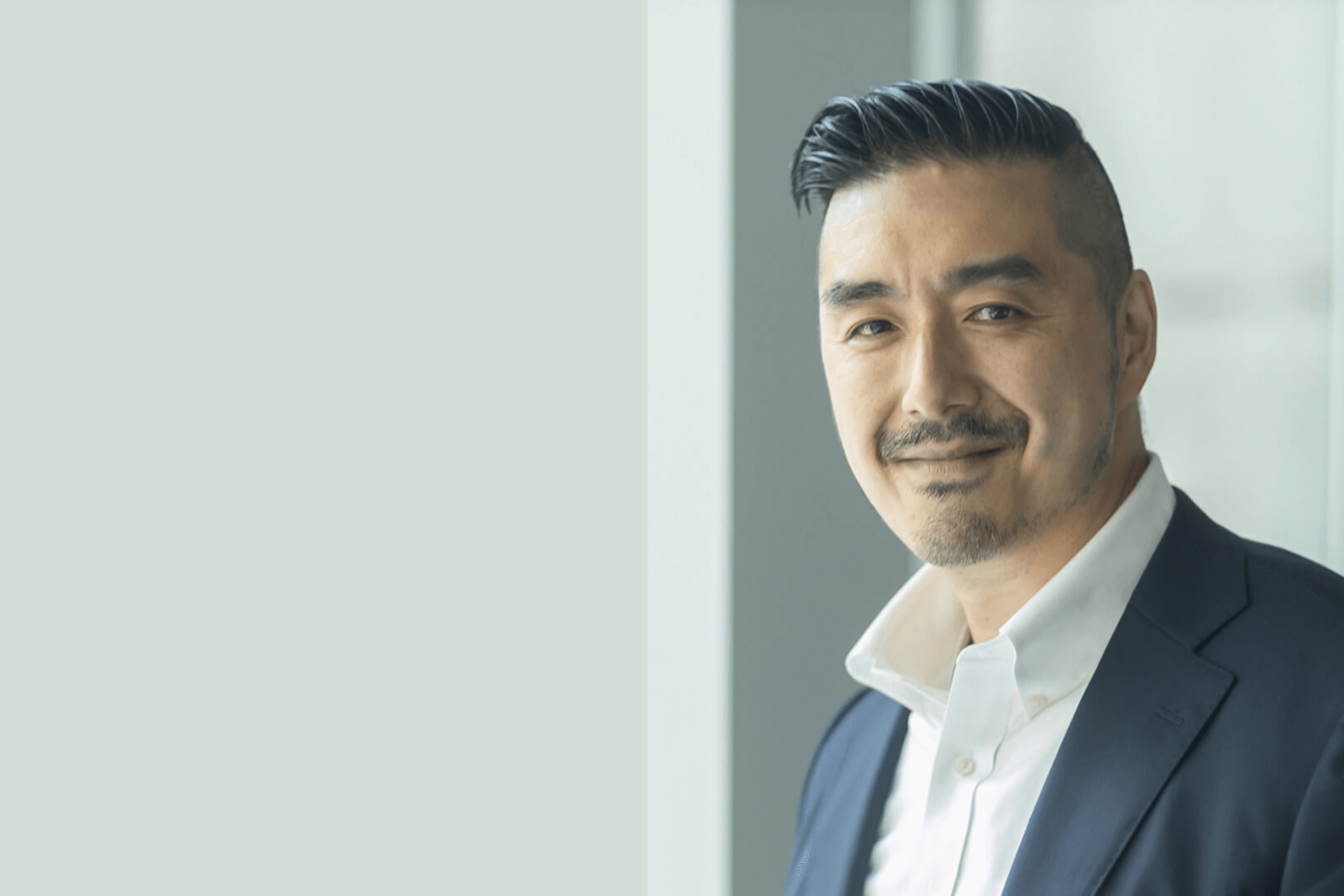
In eight years of living in Singapore, Professor Dean Ho, an international leader in digital medicine, has found joy in several things: improving the lifestyle habits of taxi drivers, trudging up and down the five floors of the NUS Institute for Digital Medicine (WisDM) and imbibing on kopi o kosong (black coffee, no sugar and milk).
But that isn’t his biggest joy. The AI aficionado came from the US in June 2018 to use his research to save lives, and has found that he can make a bigger impact in Singapore at NUS, where he is Provost’s Chair Professor, Director of WisDM, Director of The N.1 Institute for Health (N.1), and Head of the Department of Biomedical Engineering.
“When it comes to AI research, the amazing element of Singapore is that its accessibility to stakeholders is truly unmatched,” said Prof Ho, who came from the University of California, Los Angeles (UCLA), and who found himself speaking to policymakers, regulators and global organisations like the World Health Organization for the first time once he came to Singapore. “Singapore allowed me to become way more globally connected than before.” He added, “NUS, with its proximity to the National University Hospital (NUH), is a truly multi-disciplinary university where I can also access patients. Technology alone will not transform health or health care. I need to learn from implementation scientists, people from the business school, even those in geopolitics, to talk about potential cross-border treatments.”
Prof Ho, who has won multiple global innovation awards, works on giving patients optimum personalised medical treatments with data and AI — because everyone is different. One of his most impactful projects is CURATE.AI, a tool that uses AI to optimise a patient’s drug dosage by using only their own data to make adjustments over time — including the potential of lowering doses to improve efficacy.
He has also dived into gathering and analysing his own health data in a first-of-its-kind human trial called Delta. The gamification element — scoring with biomarkers — has motivated Prof Ho to work out daily, eat just once a day (his sole meal on the day of the interview consisted of grass-fed beef, red cabbage salad and a polyphenol powerhouse drink of blended old ginger, blueberry, broccoli and red cabbage) and sleep at 9.15pm every night. He is now writing two books on his research and is planning to expand Delta, which is now undergoing peer reviews, to “Delta for All” so that more people can benefit from personalisation and gamification to make lifestyle changes for health. He hopes to start small via a fasting trial for a small group of 10-20 women. He said, “Ultimately, data will become an intervention or therapy, towards longevity.”