
AlumNUS

From Construction to Conservation: How Daphne Ong is Reconnecting People with Nature Through Wild Space

After nearly two decades in the construction industry, NUS alumna Ms Daphne Ong (Engineering ’06) took a leap of faith during the pandemic to pursue her lifelong passion for nature. Today, through Wild Space, she is helping people rediscover the natural world—one story, one journey, and one community at a time.
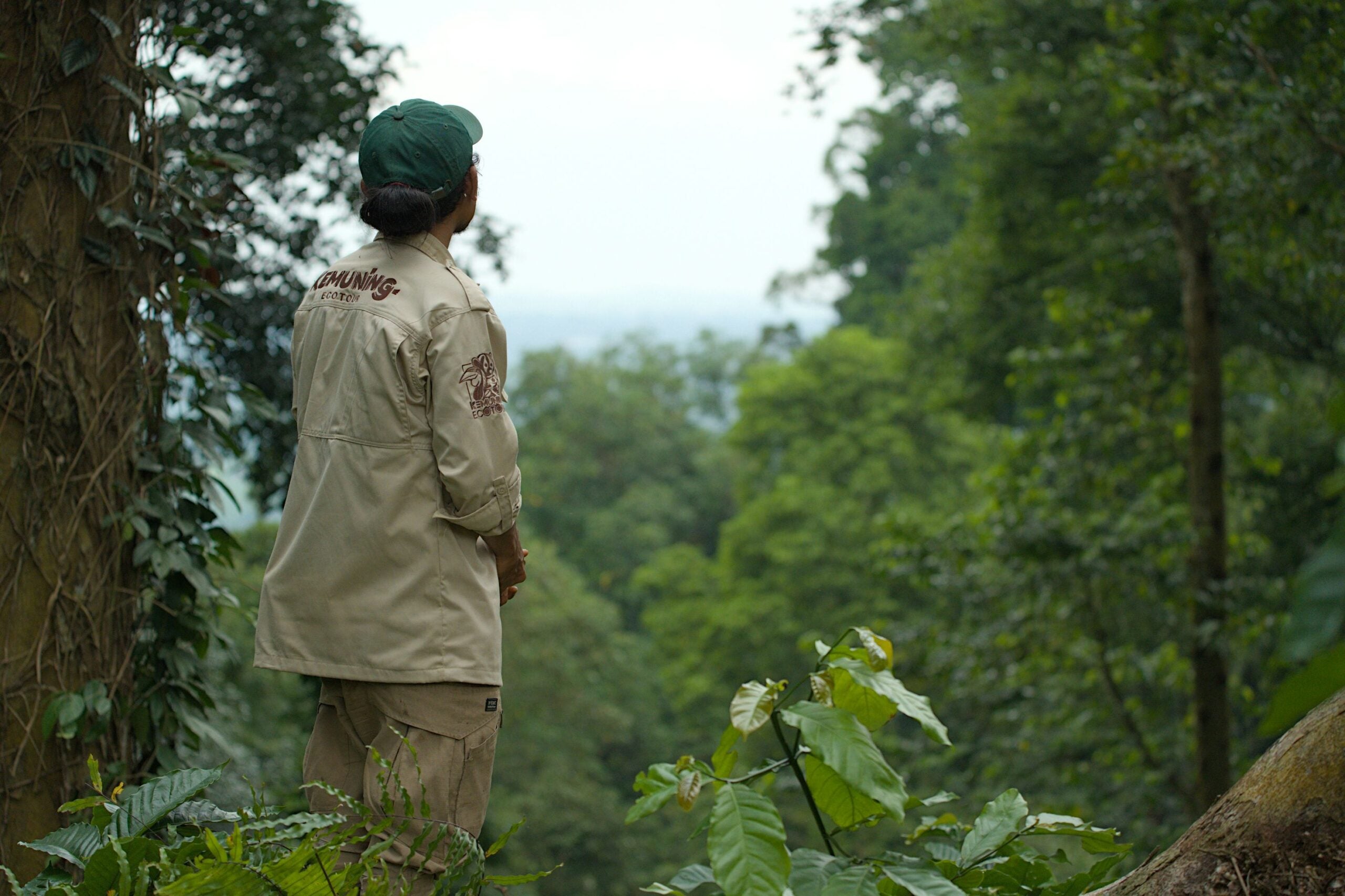
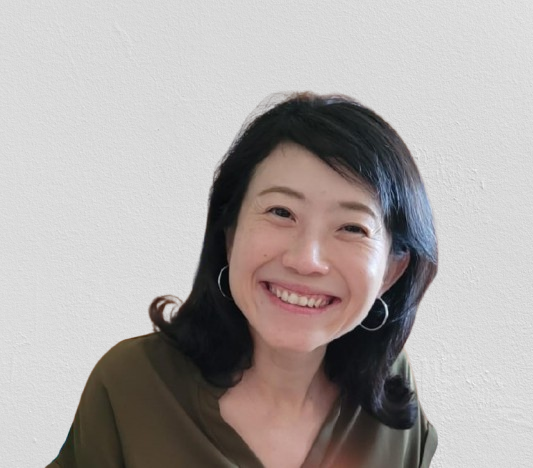
Growing up, Ms Daphne Ong’s weekends were often spent outdoors. Her parents would bring her on nature outings, including trips to waterfalls in Malaysia—moments she still remembers fondly.

She was also deeply drawn to animals from a young age. Whether it was watching wildlife documentaries or worrying about stray cats in her neighbourhood, her curiosity about the natural world came early and stayed with her.

That early connection quietly shaped her path, even if it didn’t immediately define her career.

Ms Daphne Ong

AN UNEXPECTED START — ANDA LONG DETOUR 

Ms Ong graduated from the National University of Singapore (NUS) in 2006 with a degree in environmental engineering. At the time, it wasn’t her first choice, but it planted an important foundation.

After graduation, she spent close to 20 years in the construction industry—far removed from conservation work. Yet, her interest in nature never faded. Alongside her full-time job, she devoted her time to volunteering with environmental NGOs, often travelling overseas to support conservation projects and working alongside scientists and researchers.

These experiences opened her eyes to the urgent need for conservation work, especially in developing regions where resources are limited but biodiversity is rich.

The turning point came during COVID-19.

“It was really when COVID came and then I decided to pivot my interest into a job,” she shared. “And that was why I started Wild Space based on a passion and an intention to further educate and advocate for the issues that I care about.”

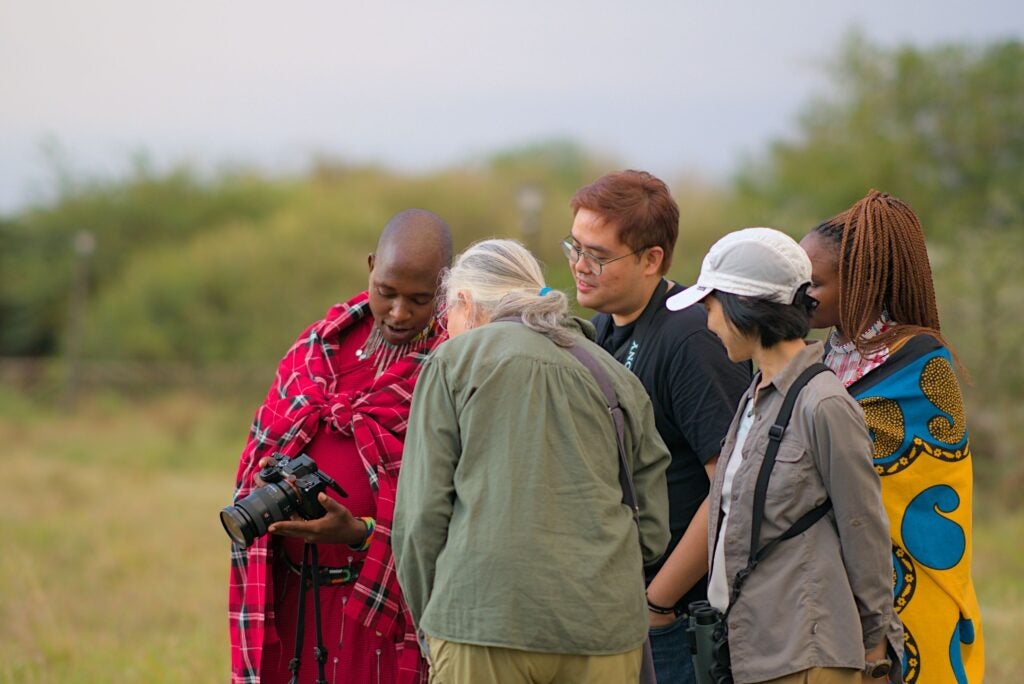
Through photography and storytelling, Wild Space helps connect people with nature.

MAKING CONSERVATION ACCESSIBLE

Founded during the pandemic, Wild Space is a social enterprise with a simple but powerful mission: to help people connect with nature.

At the time, Ms Ong noticed a gap—conservation often felt distant and exclusive, limited to scientists and specialists. Wild Space was created to change that.

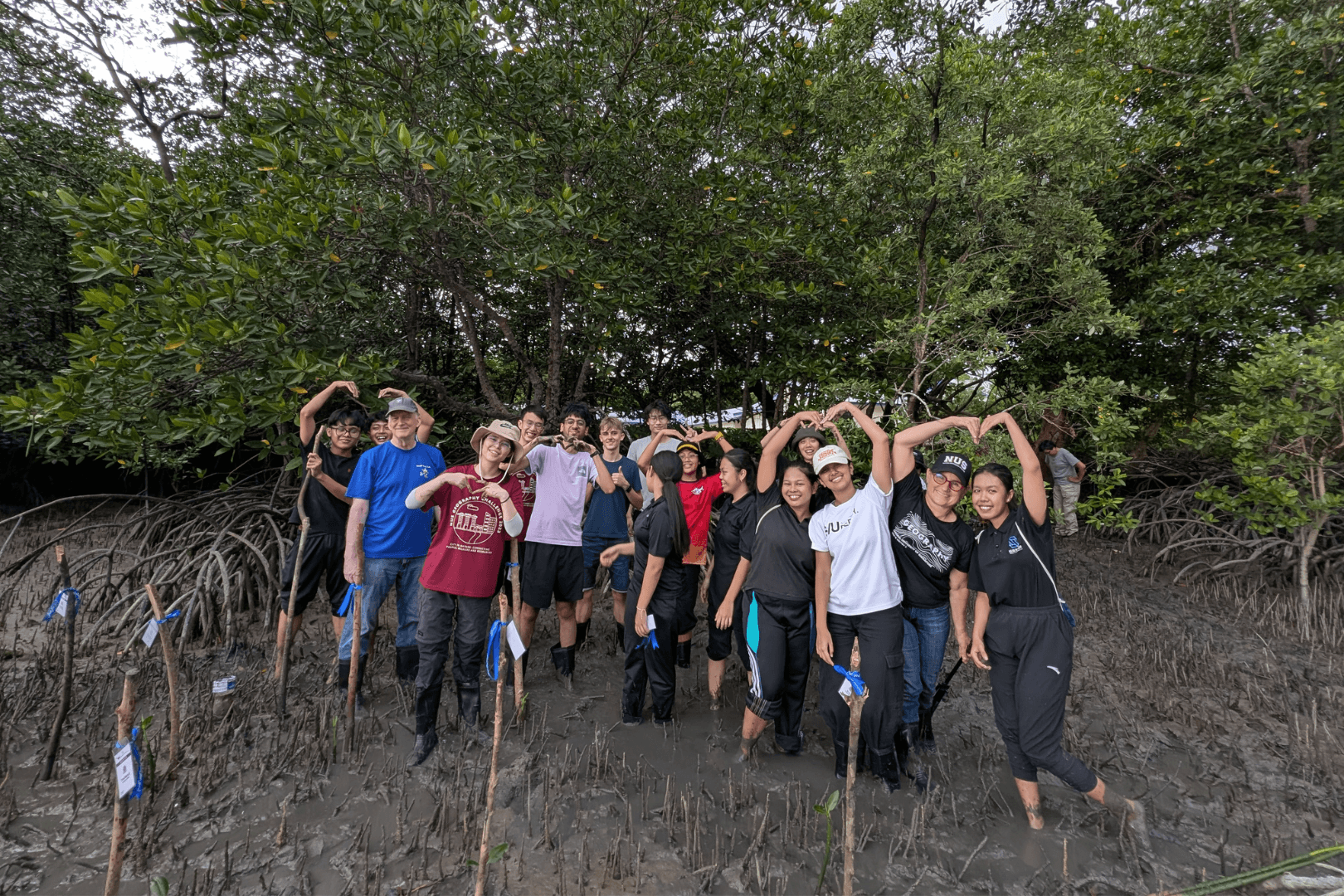
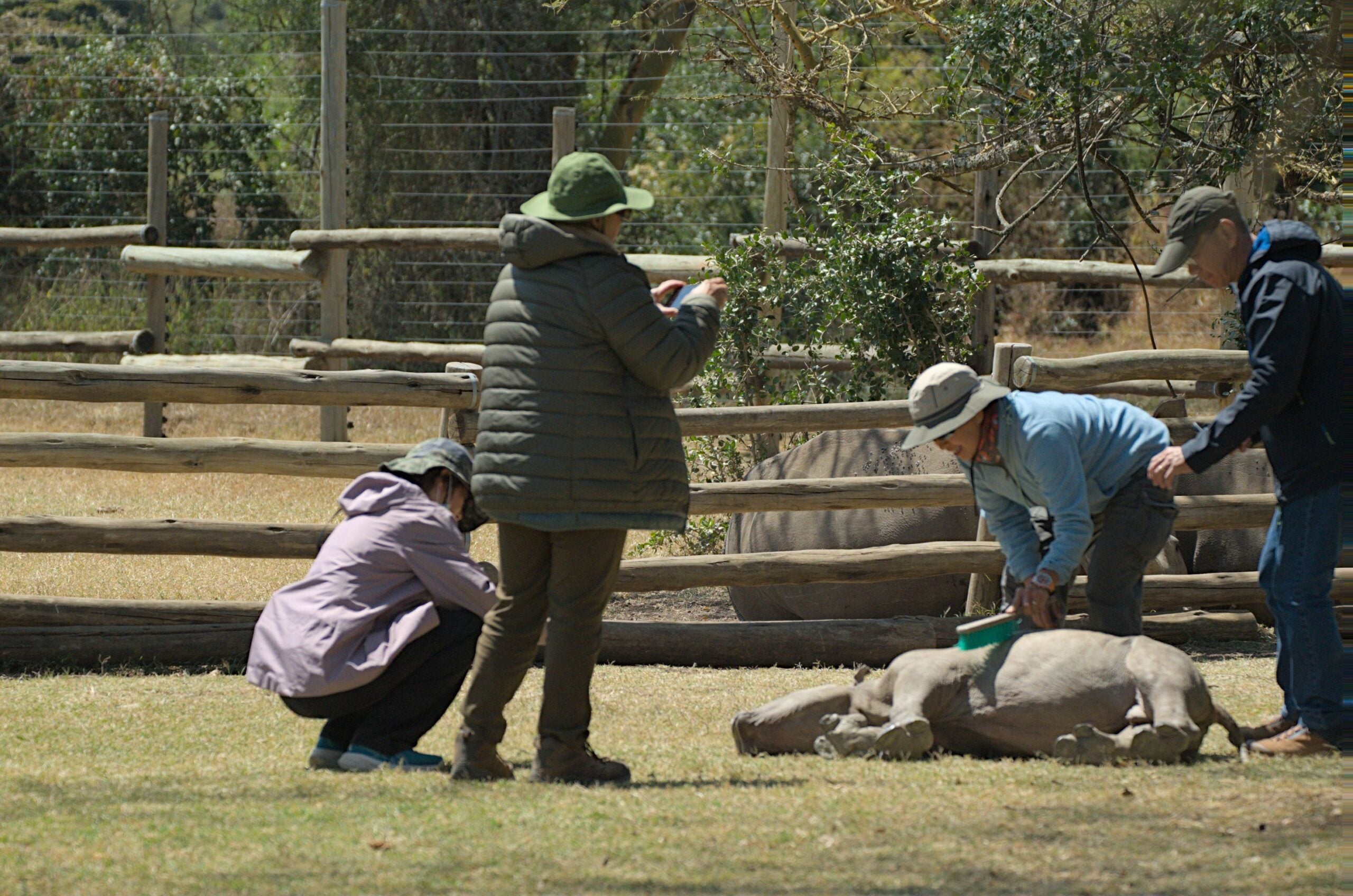
Through guided nature walks in Singapore, expert-led talks, overseas conservation trips and the annual Earth in Focus Singapore Nature Film Festival, Wild Space opens up opportunities for everyday people to engage with environmental issues in meaningful ways.

“At the core of everything we do is one question,” she said. “How can we help people connect better with nature?”

THE POWER OF STORYTELLING

While conservation is often associated with science, Ms Ong believes storytelling is just as important.

Through film and photography, Wild Space brings complex environmental issues to life. One striking example she shared was a photograph featured at the film festival: a wet market scene filled with rows of dead sharks.

The image told a powerful story of overfishing—one that even non-divers or non-scientists could immediately understand.

The photo conveyed more than words could, she explained. “Someone who doesn’t dive is able to see this reality.”

For Ms Ong, storytelling bridges the gap between knowledge and emotion. When people feel connected, they are more likely to care and act.

“If they love it, they will protect what they love,” she said.

FROM JAVA TO BINTAN: CONSERVATION IN ACTION

Wild Space’s impact extends beyond Singapore, with projects across the region that combine conservation with community support.

In Central Java, Wild Space partners with the Javan Wildlife Institute to reduce poaching and provide alternative livelihoods for local communities. Through an agrotourism programme, visitors can witness conservation work firsthand while contributing financially to the community.

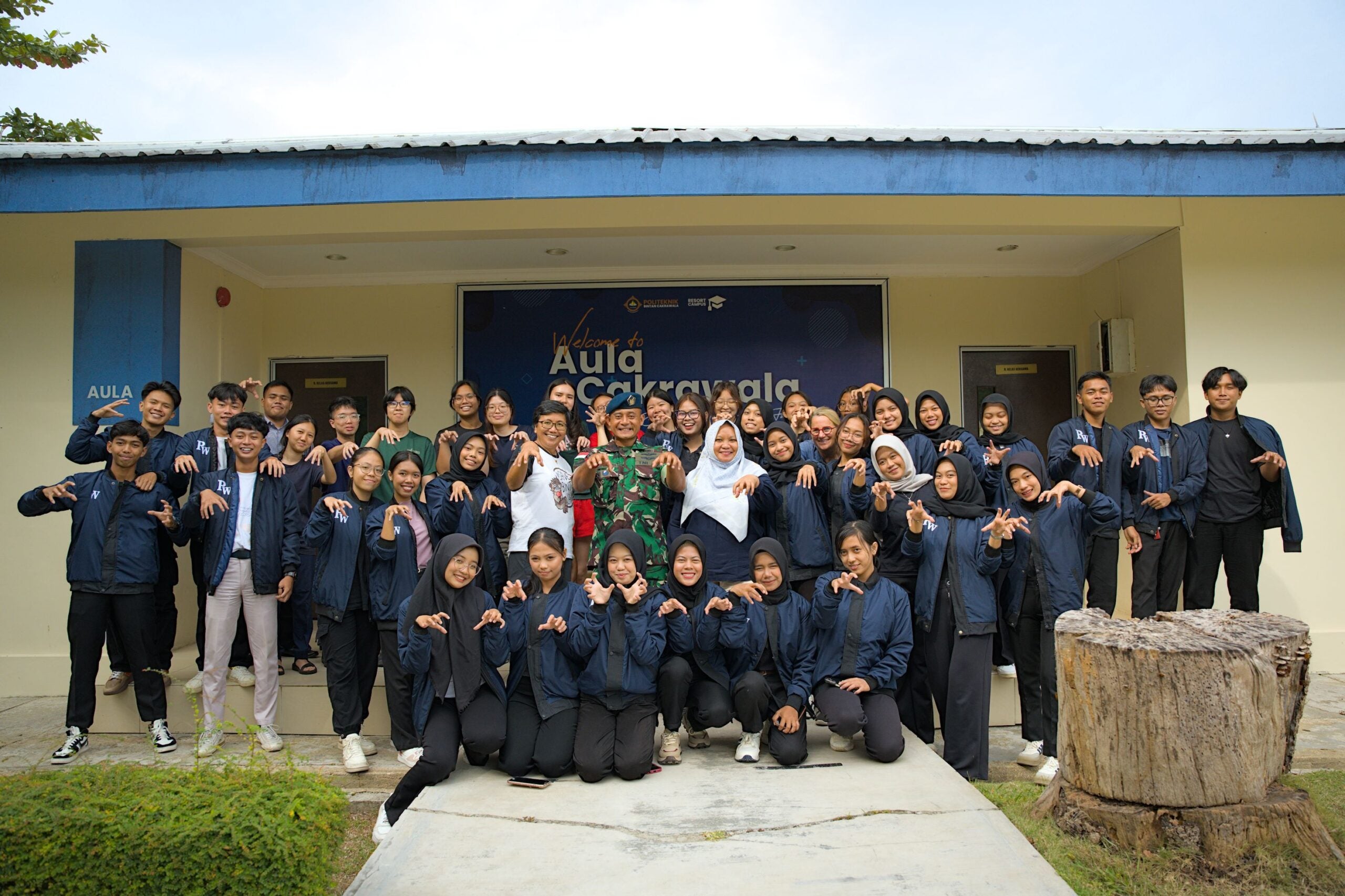
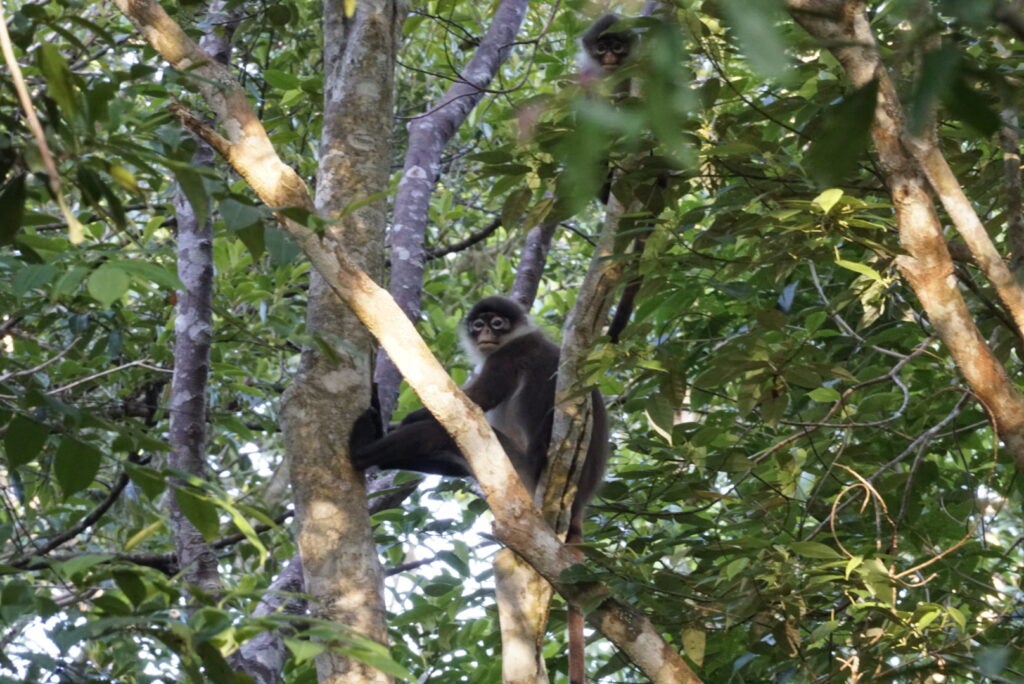
Closer to home, a grassroots initiative in Bintan has grown into a successful ecotourism programme. What began as a small effort to study langurs in the wild has since attracted public interest and collaboration with local operators.

Today, the project supports three community partners and has helped increase income for local farmers and residents.

For Ms Ong, these outcomes are key. “Because when community lives are improved, they will naturally take care of the environment.”

Looking ahead, Wild Space is also exploring a project in Kenya to provide potable water to local communities—though this remains in the planning stage, pending funding.

A Bintan langur

ENGINEERING THINKING, REAL-WORLD IMPACT

In retrospect, Ms Ong credits her NUS education for shaping how she approaches her work today.

Her environmental engineering background trained her to think in a structured, systems-oriented way—skills she now applies in designing programmes and evaluating conservation strategies.

It also gives her a practical edge on the ground. In many project sites, issues such as water access and infrastructure are critical. Her training allows her to identify opportunities for improvement and think beyond conservation alone.

GIVING BACK AND SHAPING THE NEXT GENERATION

Beyond Wild Space, Ms Ong is deeply committed to community work. She serves on the board of the Riding for the Disabled Association (RDA) of Singapore, where she contributes to governance and strategic direction, and has been a long-time volunteer supporting persons with disabilities.

She is also passionate about mentoring young people and emerging leaders.

In her mentorship, she encourages youth to give back where they can—reminding them that even small contributions matter.

For her, nurturing the next generation is not just about guidance, but about empowering young people to find purpose and take action.

NATURE AS A SOURCE OF HEALING

At its heart, Ms Ong’s work is driven by a simple belief: nature is essential to our well-being.

“Nature is a provider and trees have restorative properties,” she reflected.

In a fast-paced, urban environment like Singapore, she encourages people to take small steps—starting with something as simple as a walk in a park or along a nature trail.

These moments, she believes, can be deeply restorative.

Through Wild Space, Ms Ong is not just advocating for conservation—she is inviting people to slow down, reconnect, and rediscover the natural world around them.

And perhaps, in doing so, they can find a little healing along the way.