
AlumNUS

Inside The Spread: How an NUS Alumnus Built a Campus Café Serving 1,000 Orders a Day

For nearly a decade, Mr Foo Yuk Sam (Arts & Social Sciences ’14) has run The Spread at NUS Business School with a simple philosophy: serve food and drink comparable to what one would find at casual eateries in town, but at prices students can afford.
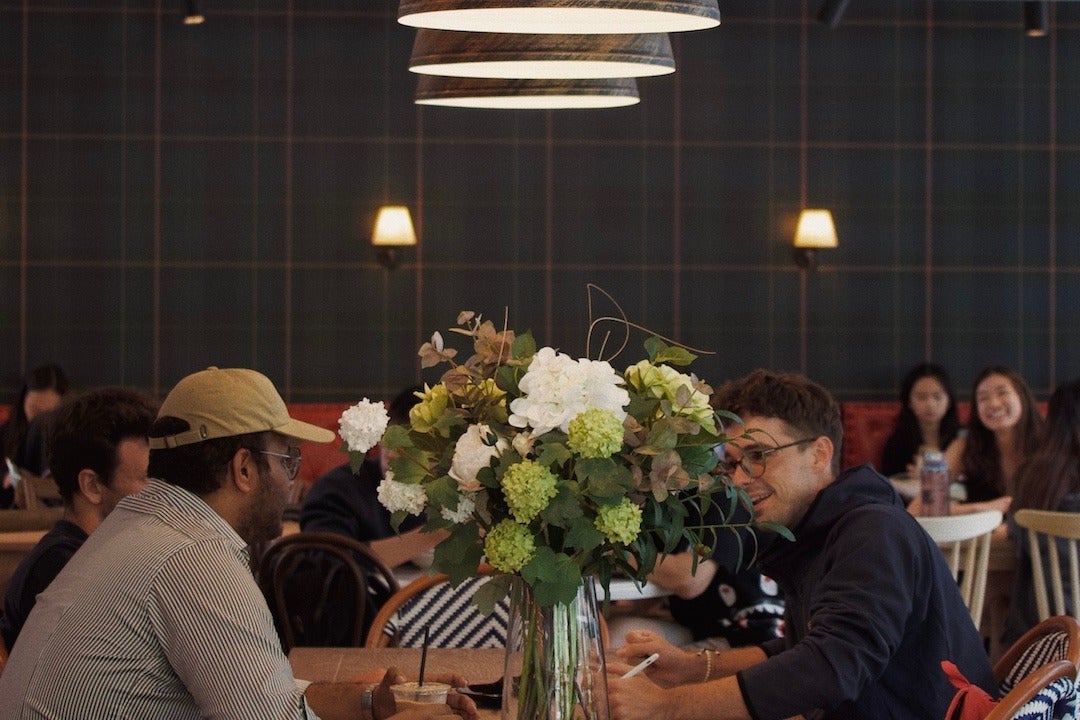
Located at the Mochtar Riady Building of the NUS Business School, The Spread has become a familiar stop for students, staff and visitors. The space exudes the rustic charm of old-world European café bistros, with plaid wallpaper, bentwood furniture, and floral centrepieces creating a sense of calm. During term time, however, life here is anything but tranquil.

As the clock approaches 11am, the café suddenly bursts into life. Tables quickly fill up, and the crowd spills out into the building’s lobby. At 800-1,000 orders daily, there is virtually no let-up until 6.30pm, when the kitchen calls for last orders. “When school is on, it’s busy — as busy as it gets,” co-founder Mr Foo Yuk Sam (Arts & Social Sciences ’14) explained.

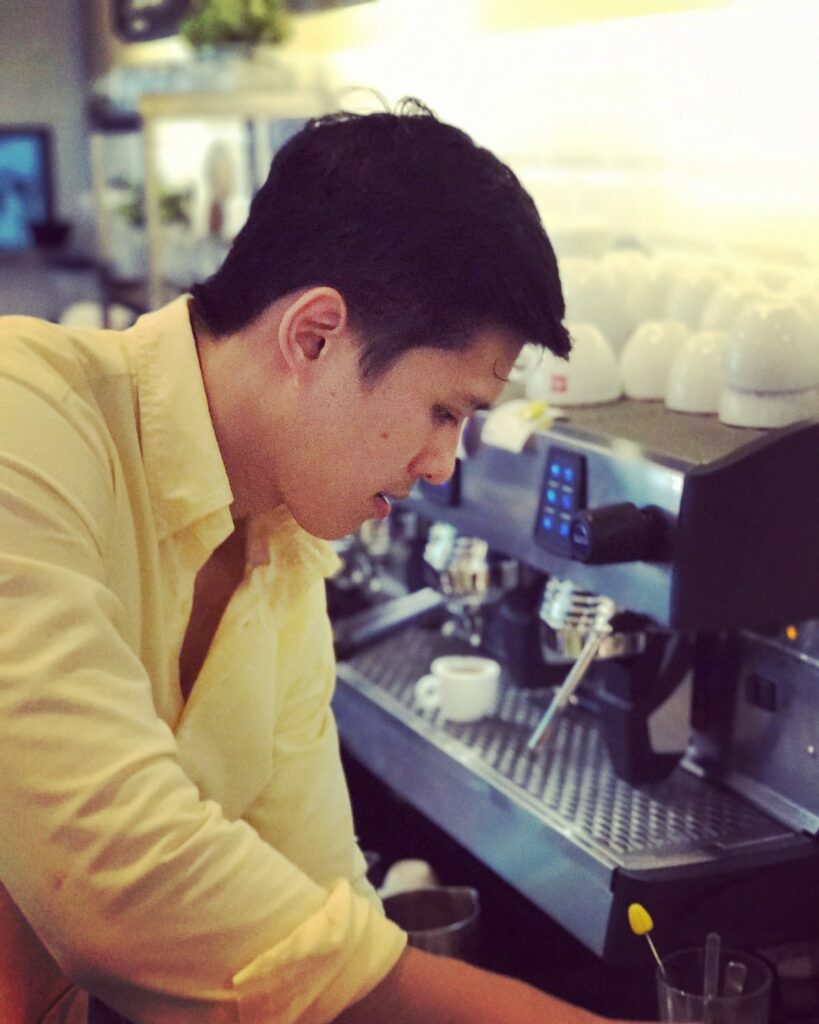
Mr Sam Foo

He was thrown into the deep end of running an F&B establishment shortly after graduating. The desire to build something of his own, however, predated the café. Mr Foo had always leaned towards being entrepreneurial rather than desk-bound. During internships and early work experiences, he realised he was not suited to sitting behind a screen all day. “I knew quite quickly that I wasn’t cut out for that,” he recalled. Running a business, even a difficult one, felt more aligned with how he wanted to work.

His first attempt was an off-campus eatery, where reality quickly set in. Running a café, he discovered, is not just about food and drinks. It is about making the most of manpower and resources to squeeze an often thin margin.

Like many first-time entrepreneurs, he admitted his early understanding of the industry was somewhat naïve. “From the outside, it looks like a good business,” he said. “And it is — but it’s much harder than it looks.” His passion kept him going, and in 2016, an opportunity emerged to operate a café within NUS through an open tender. There was an existing operator, but Mr Foo and his co-founder were confident of making a winning proposal. 

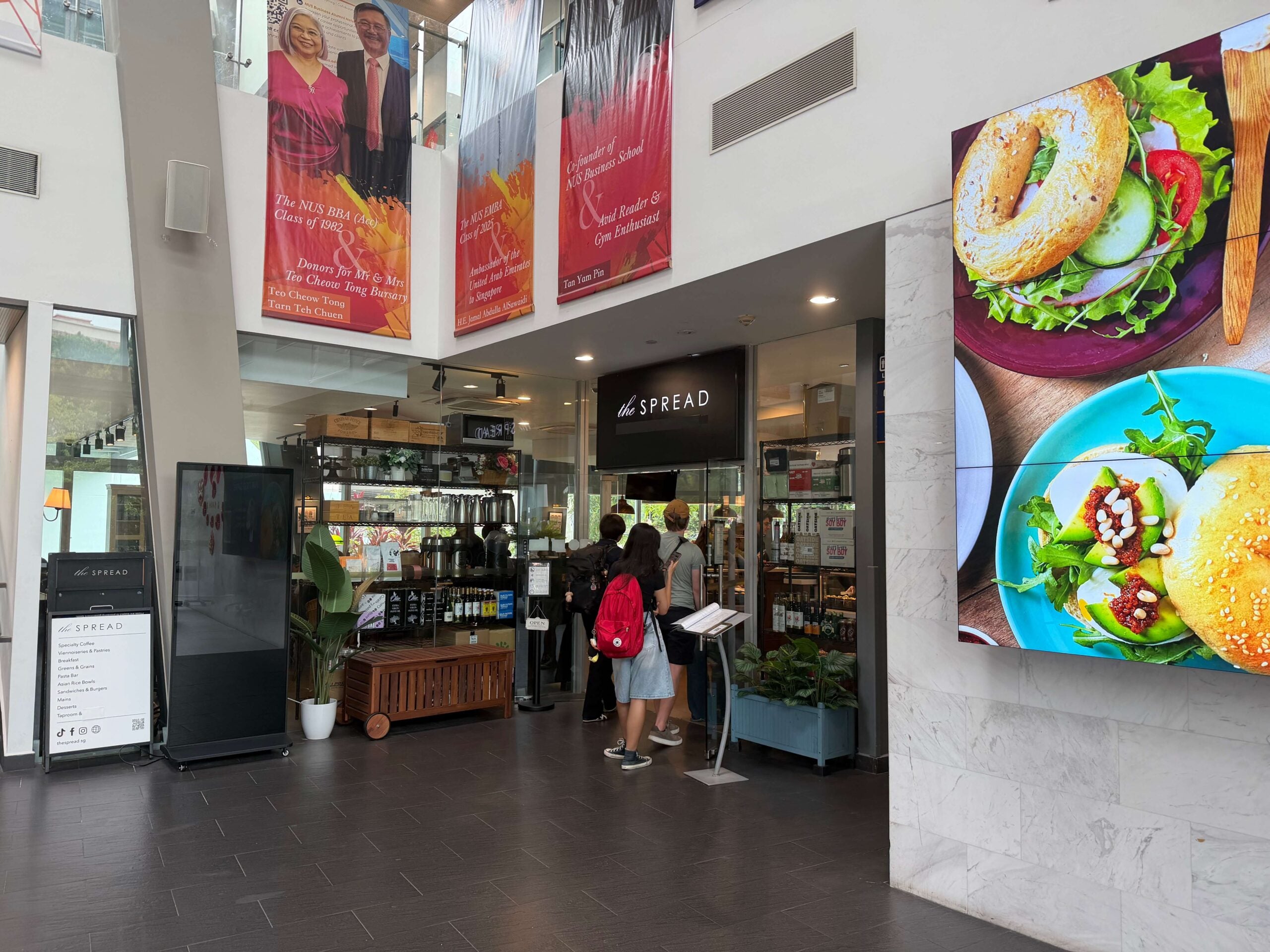
Located at the Mochtar Riady Building, The Spread often has a queue extending beyond its doors.

WHAT ‘VALUE’ REALLY MEANS

From the outset, Mr Foo had a clear vision – to be a café bistro that the NUS Business School could proudly call its own and host visitors in, rather than a run-of-the-mill school cafeteria. A core pillar of that vision is to serve food and drinks of a standard comparable to what one might find in town, sans the town prices.

Still, students sometimes say the café’s offerings are slightly beyond what they can afford regularly. While Mr Foo perfectly understands the sentiment, he also knows what drives the price tag. He points to the drink of the moment, matcha, as an example. Using a cheaper, and lower-grade matcha would reduce costs and consequently, prices, but he has consciously chosen not to. “We have a baseline quality we won’t go below,” he explained.

For Mr Foo, value is not about being the cheapest option. It is about delivering quality that holds up over time. He often hears this from alumni who return after graduating and now work in town: what once felt expensive now feels undervalued. “That’s when they realise,” he added.

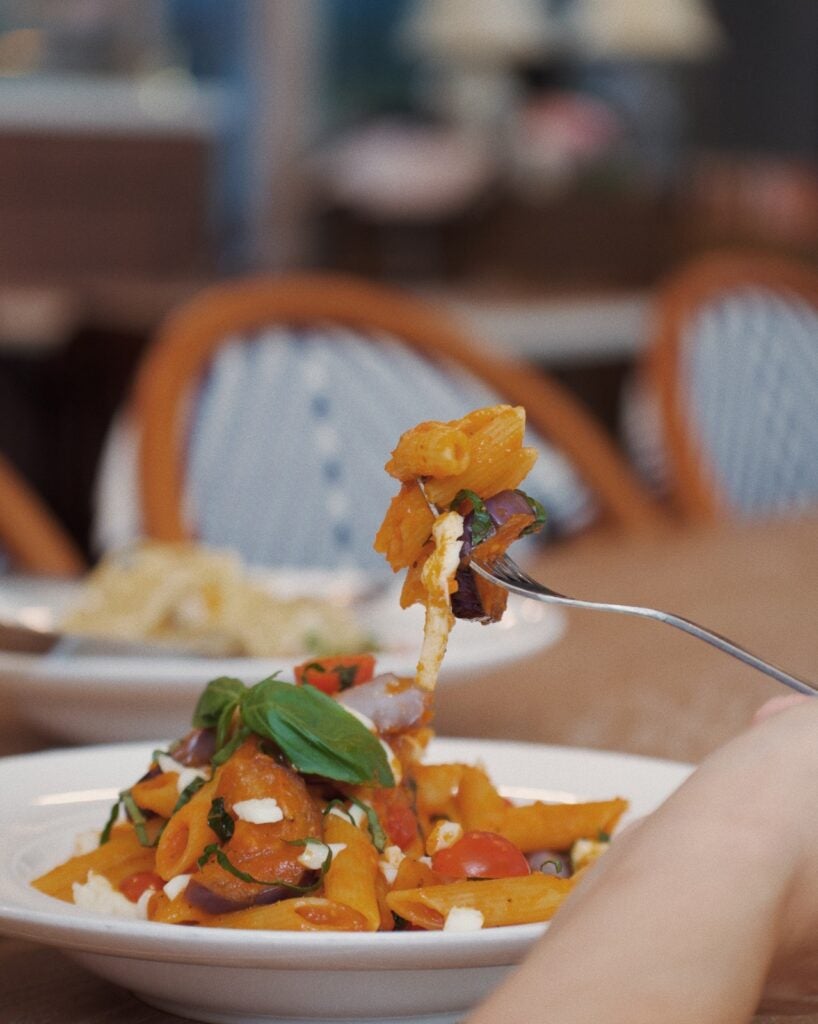
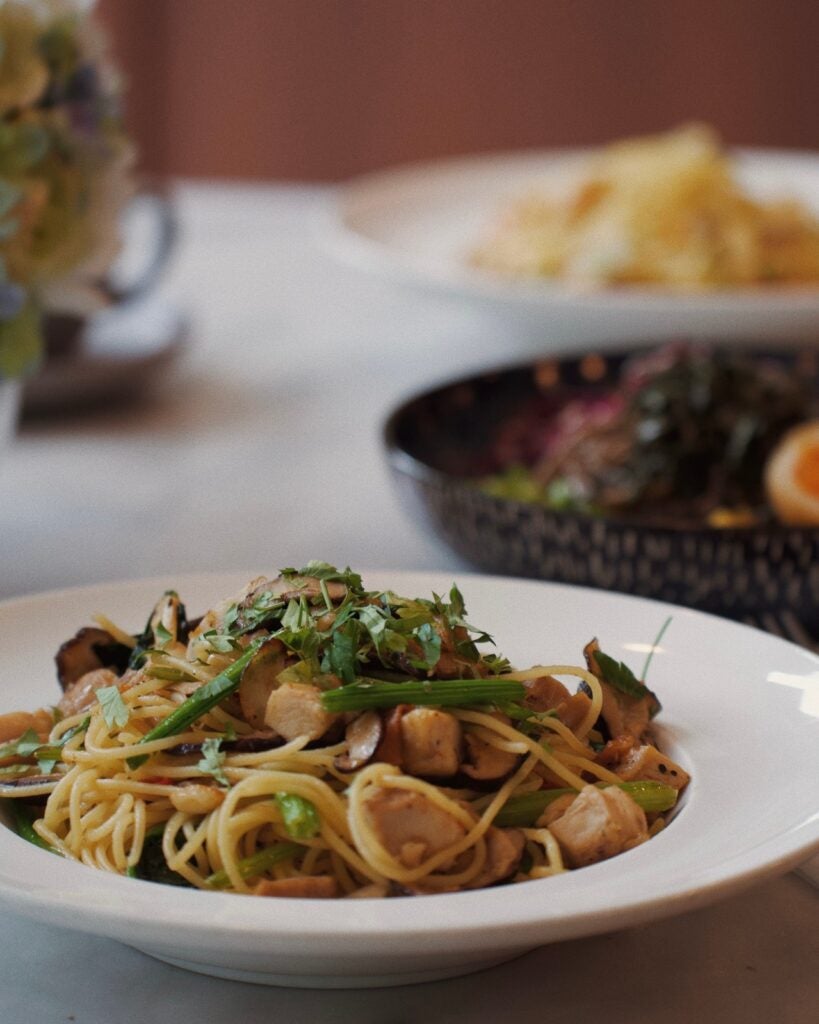
Pasta dishes are among The Spread's specialties.

Mr Foo is quick to note that NUS did not train him to run a café in any direct sense. What it did provide, however, was a way of thinking. He studied economics, and concepts like elasticities of demand and economies of scale show up in how he thinks about problems at the café.

One example is his effort to make premium pour-over coffee more accessible. As manual, single-serve pour-overs are time-consuming and costly to brew, he is experimenting with more efficient batch-brewing techniques that will allow more people to experience fine-filter coffee.

Like many F&B operators, Mr Foo points to manpower as the toughest and most persistent business challenge. The Spread employs about 10 full-time staff — the minimum needed to keep operations smooth during peak periods. Hiring is difficult, and retention even harder. Many applicants are attracted by the hours — weekday shifts, no late nights — but they quickly discover that the pace is anything but that of a laid-back café. “We are demanding employers,” Mr Foo acknowledged. “The nature of the business requires it.” When staffing falls short, Mr Foo steps in himself, working the counter and bar. “It’s not by choice,” he admitted. “But consistency has a cost.”

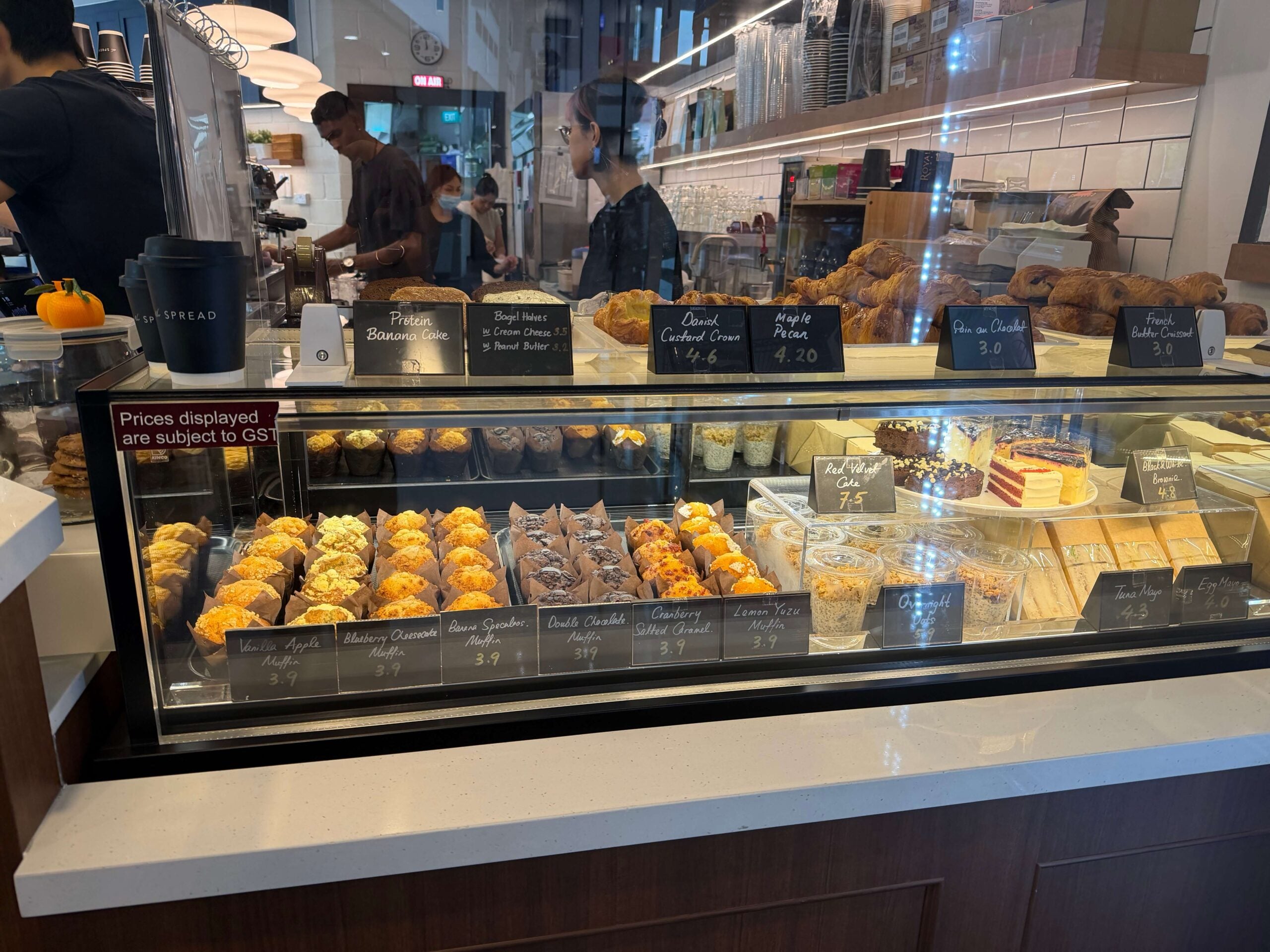
Grab-and-go options from The Spread

THE MAN BEHIND THE APRON

Away from the counter, Mr Foo’s time is shaped by the same intensity that defines his work. His personal time, he shared, is largely dedicated to sports like football and volleyball. He also visits other cafés and F&B establishments — not for leisure, but to observe. Travel, when it happens, rarely switches this instinct off. Even on holiday, he finds himself studying spaces and operations, thinking about what might translate back home. “It’s an occupational hazard,” he added with a laugh.

He enjoys the daily interactions that come with running a café. Languages in particular interest him, and his work at The Spread has given him the opportunity to practice everything from Mandarin and Malay to Italian and Spanish. He also remembers regulars’ orders without trying to — a habit that surprises them more than it does him.

Despite the long hours and unrelenting pace, Mr Foo admits he would miss the counter if he ever had to step away from it completely. “No doubt, there are easier ways to make money,” he reflected. “But we continue because we are passionate about this. And that counts for something.”

STUDYING WHAT PEOPLE ORDER

Most popular dish
Pasta dishes remain The Spread’s forte and signature. Every semester, the team relishes the challenge of winning over newly arrived, and understandably skeptical, Italian students. Tomato-based pasta dishes like alla Norma or all’Arrabbiata are the café’s greatest hits.  

Muffins
Molten-filled muffins are perennial crowd favourites, especially during class breaks.

Matcha
The café sources its first-flush matcha from Uji and Fukuoka. The quality is comparable, if not equal to, what is being used at specialty matcha bars in town.

Bagels
Bagels with herbed cream cheese are sold by halves to allow more affordable pricing, making them a popular grab-and- go breakfast option among students.