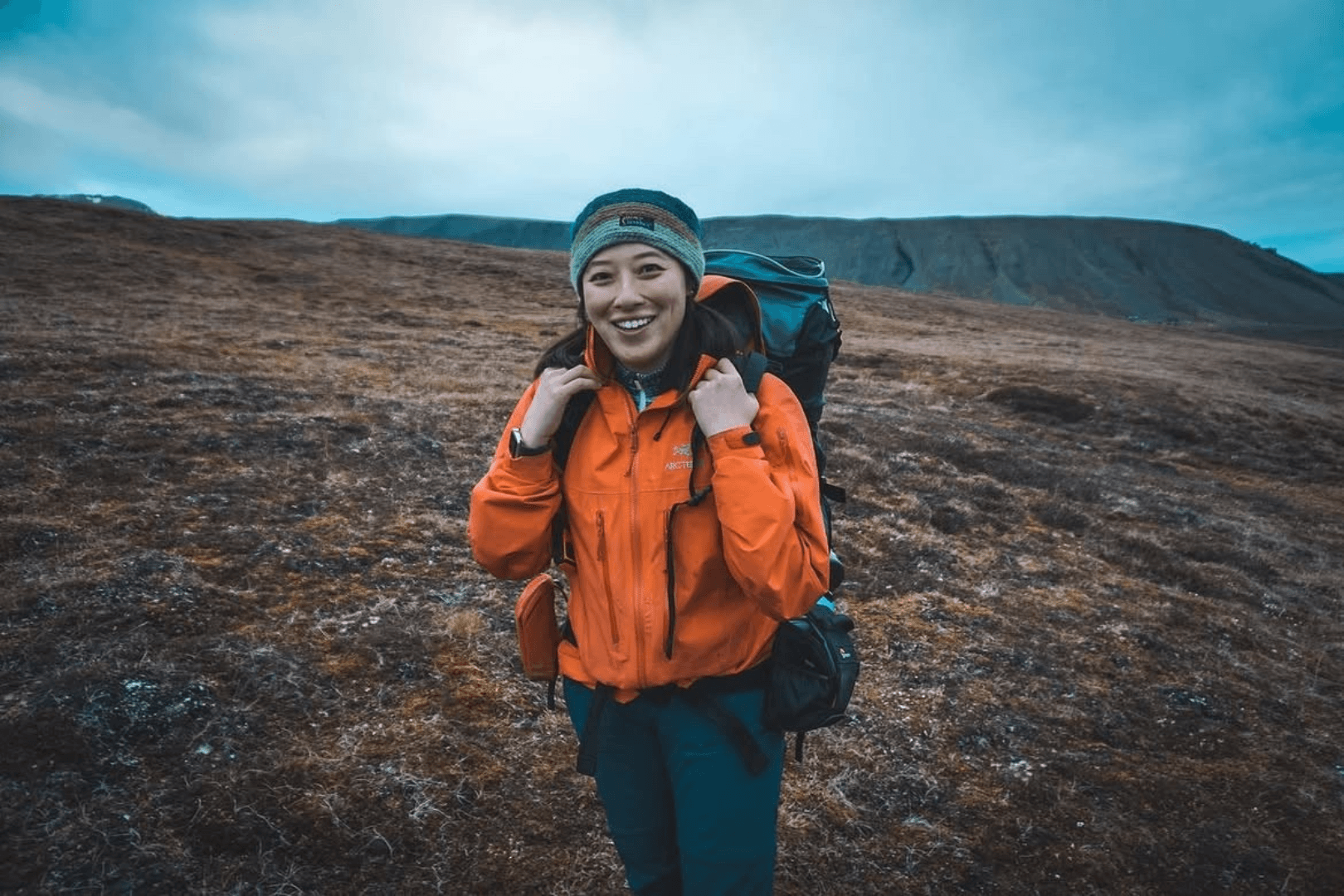
Drawn north by the pull of the polar dark, Ms Low Weisi (Arts & Social Sciences ‘19) has built a life at the very top of the world, a place where nature stays untouched, and humans are merely guests.
Most people usually fall in love with a place for its light. For Ms Low Weisi (Arts & Social Sciences ‘19), it was the darkness.
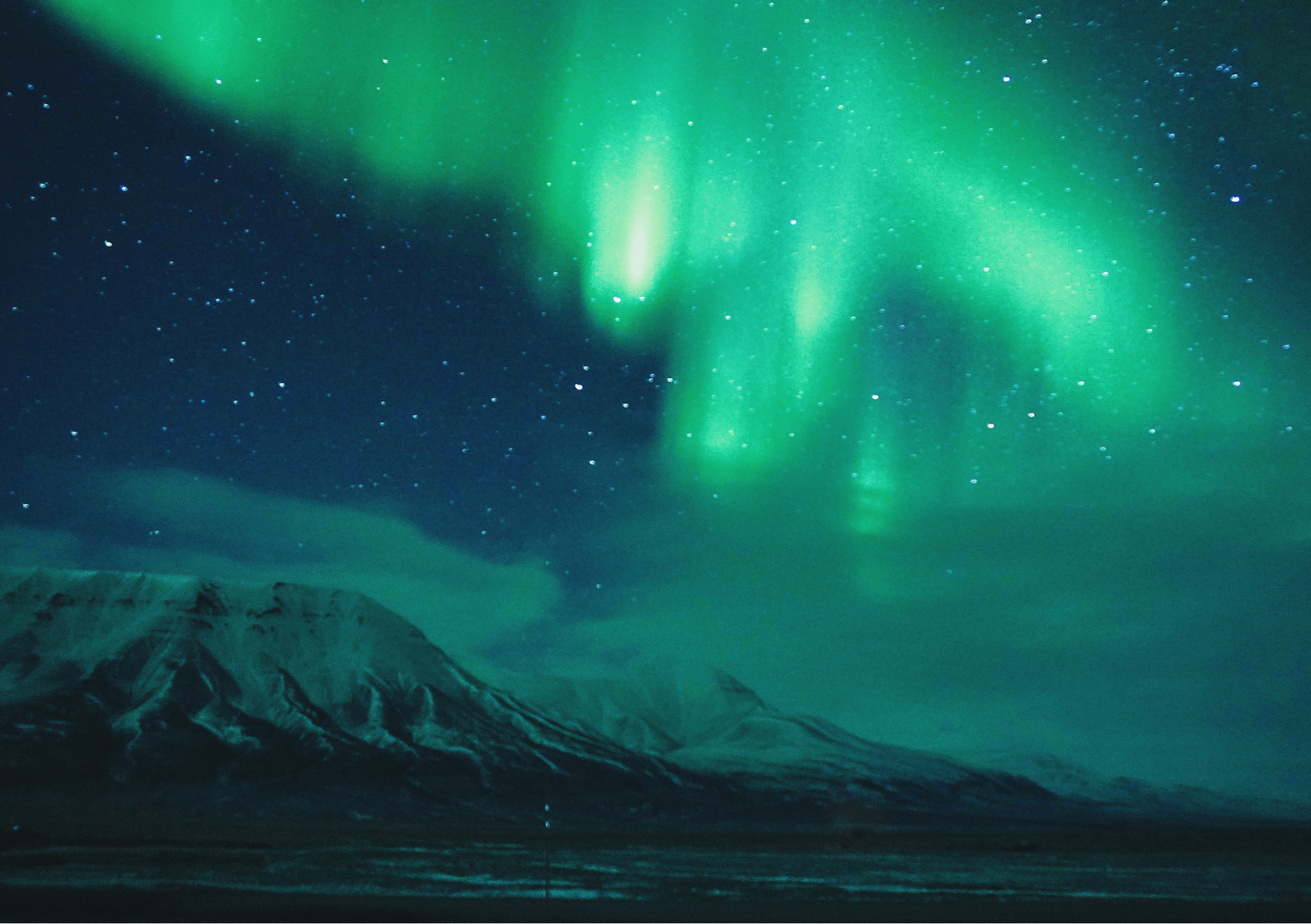
Ms Low first visited Svalbard in November 2017 for a week-long holiday that coincided with the dark season, when the sun remains below the horizon and the Arctic archipelago is enveloped in 24-hour darkness. “It was dark all the time, and I fell in love with it,” she recalls. “I knew I had to experience life as a local there.”
In 2019, Ms Low, a performance marketer, left Singapore and moved almost to the edge of the map, settling in one of the northernmost inhabited places on Earth, Svalbard. Ms Low met her husband there and three years later, they relocated to mainland Norway, where they live today with two adorable cats.
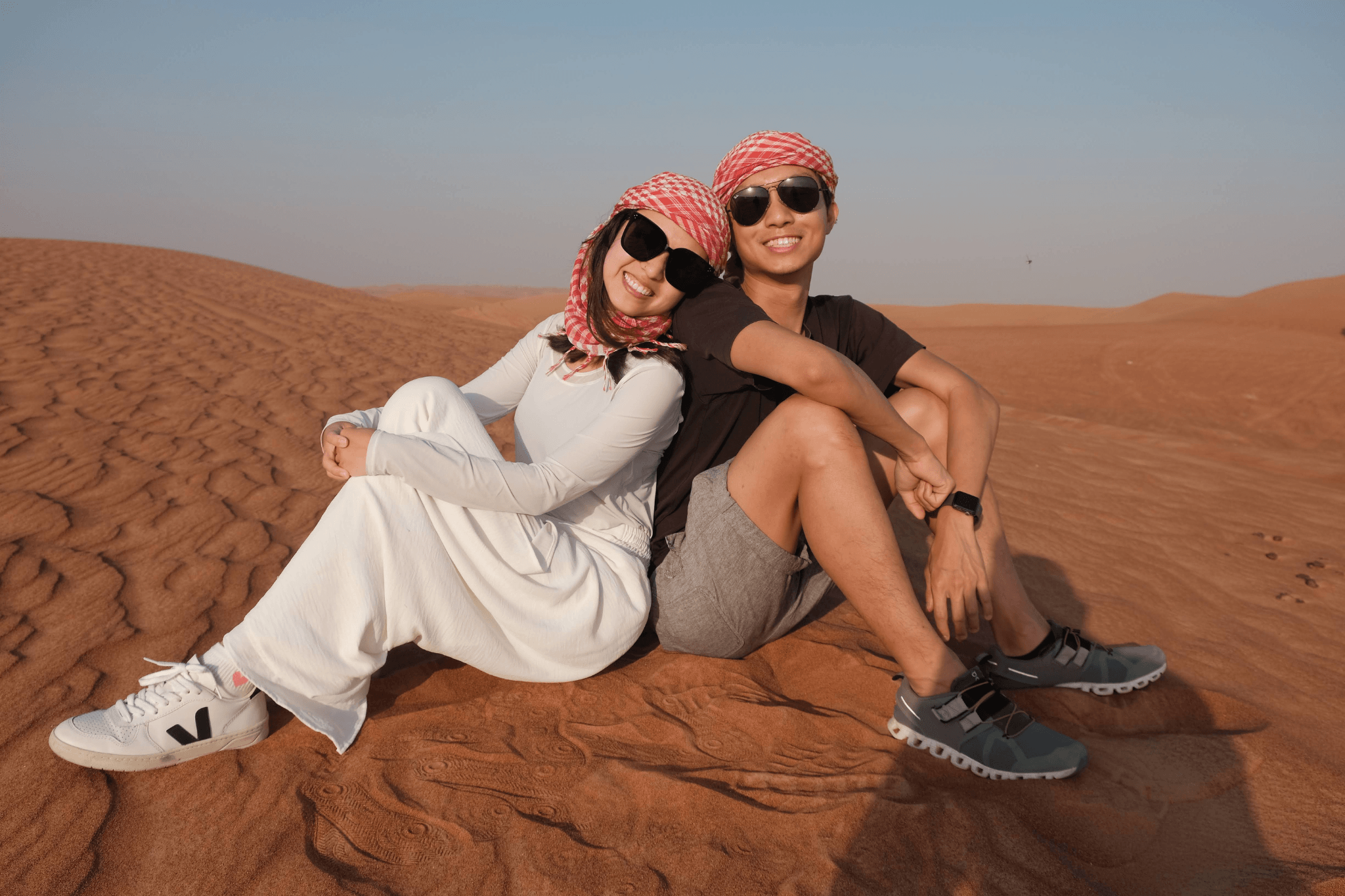
They married in the summer of 2025, marking the occasion with an intimate church wedding in Singapore, followed by a joyful celebration with friends and family in Norway. Singapore is never far from their thoughts as the pair hope to move back for a few years down the road.
Her NUS connection has also quietly followed her north. Her time in the NUS Overseas Colleges (NOC) programme led to an unexpected reunion: a fellow NOC graduate now lives just nearby.
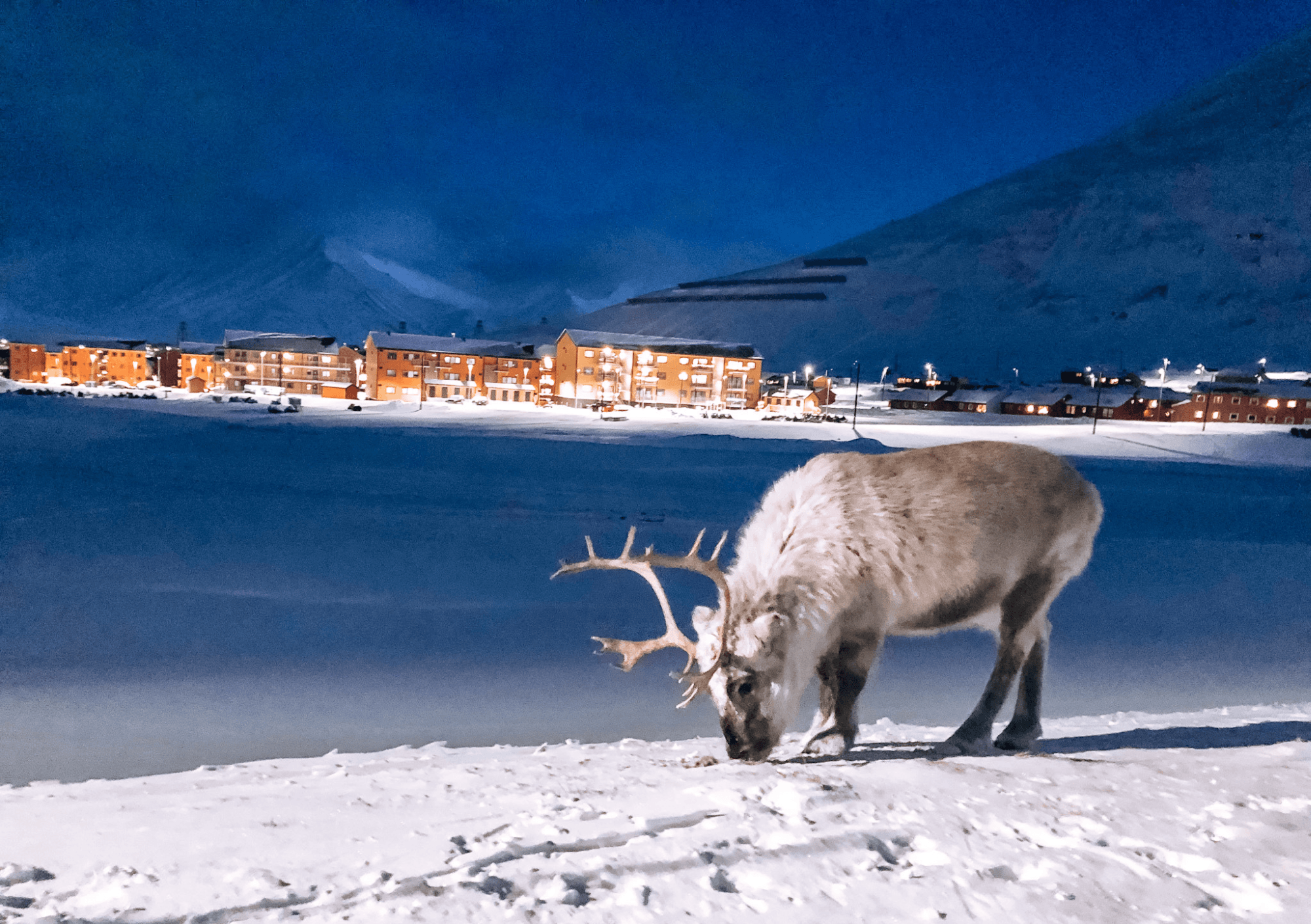
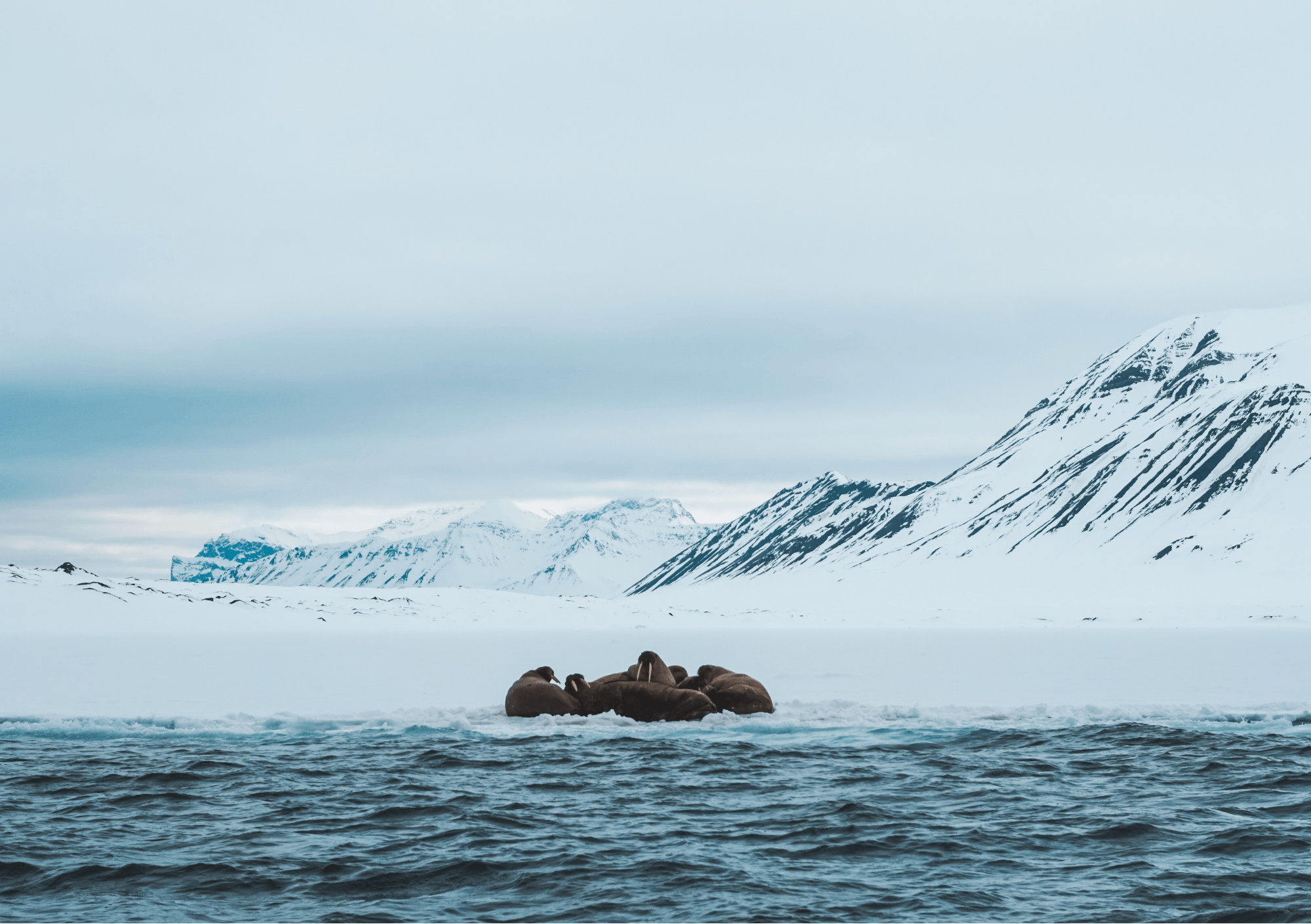
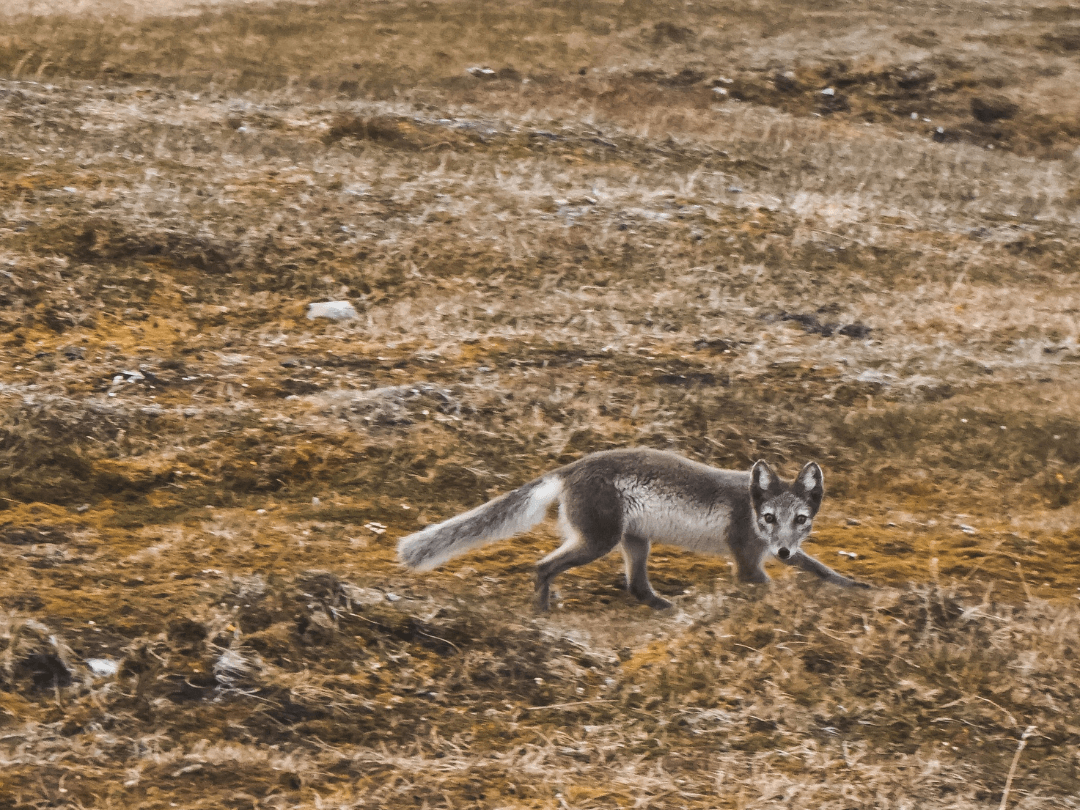
Spotted: Wildlife during Ms Low's journey in Svalbard. Photo credit: Low Weisi
Spotted: Wildlife during Ms Low's journey in Svalbard. Photo credit: Low Weisi
Spotted: Wildlife during Ms Low's journey in Svalbard. Photo credit: Low Weisi
A WORLD THAT FINDS YOU
Ask what makes Svalbard unlike anywhere else, and her answer comes without hesitation — the wildlife. “In Svalbard, you don’t go looking for wildlife,” she explained. “Wildlife finds you. It feels like they are the true locals. They own the place, and you’re just a guest.”
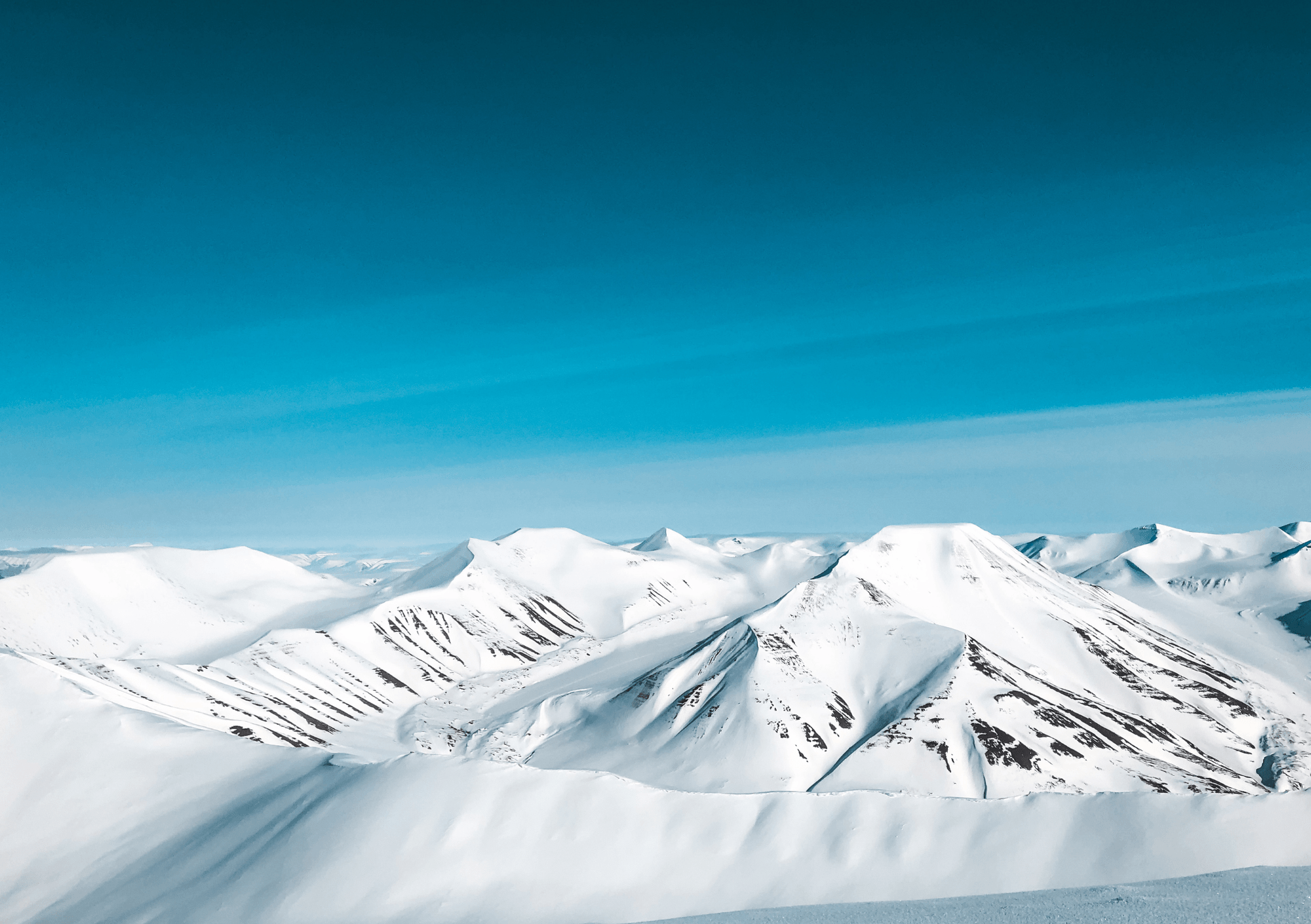
Ms Low contrasts this with other Arctic destinations, like Tromsø or parts of Finland, where visitors venture out hoping to glimpse a reindeer. In Svalbard, the relationship is reversed. She notes it is not manufactured for mass tourism. “Nature up there is so incredibly untouched. We are the visitors. Wildlife encounters us.” It feels like the polar bears, foxes, reindeer, birds and whales are the rightful residents, she says, and you simply feel privileged to catch a glimpse into their world.
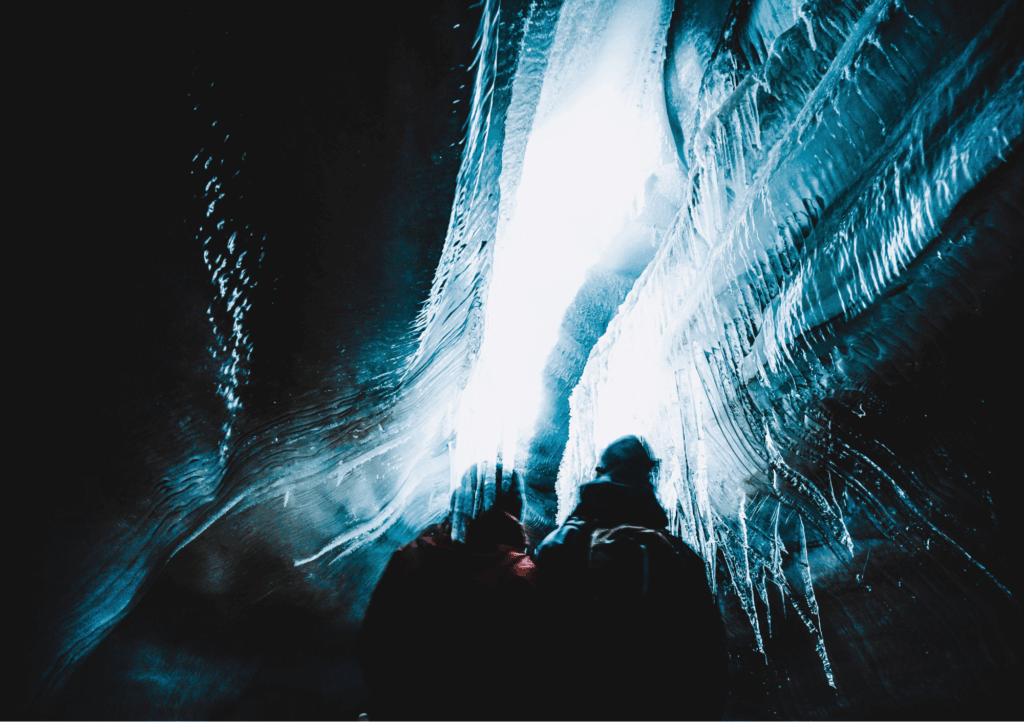
Visiting an ice cave, seeing what is underneath the glacier. Photo credit: Low Weisi
SETTING UP A HAMMOCK IN AN ICE CAVE
Among her favourite activities, is one that borders on the surreal in Svalbard, hiking to an ice cave and spending the night in it. With vast land and a small number of people, it is easy to find an ice cave and have the whole place to yourself. This usually occurs in winter, when the caves form and can be safe to enter.
“We start the hike in town and walk about two hours in snowshoes, in complete darkness,” Ms Low said. “All you can hear is your snowshoes dragging through the snow, and all you see is what your headlamp lights in front of you.”
At the cave, visitors crawl through a narrow opening into an underground cave where the walls, floor and ceiling are made entirely of blue, glittering ice. One can set up camp with hammocks or sleeping bags and drift off “to the gentle roaring of the ice cave, away from the world.”
THE PERFECT ARCTIC DAY
For visitors, timing is everything and Ms Low’s pick is March. The snowy landscape is complemented with longer daylight hours to allow visitors to explore. Ms Low spends the season hiking, skiing and ice fishing. March can also coincide with Easter, with family and friends slowing down the pace and take time off work.
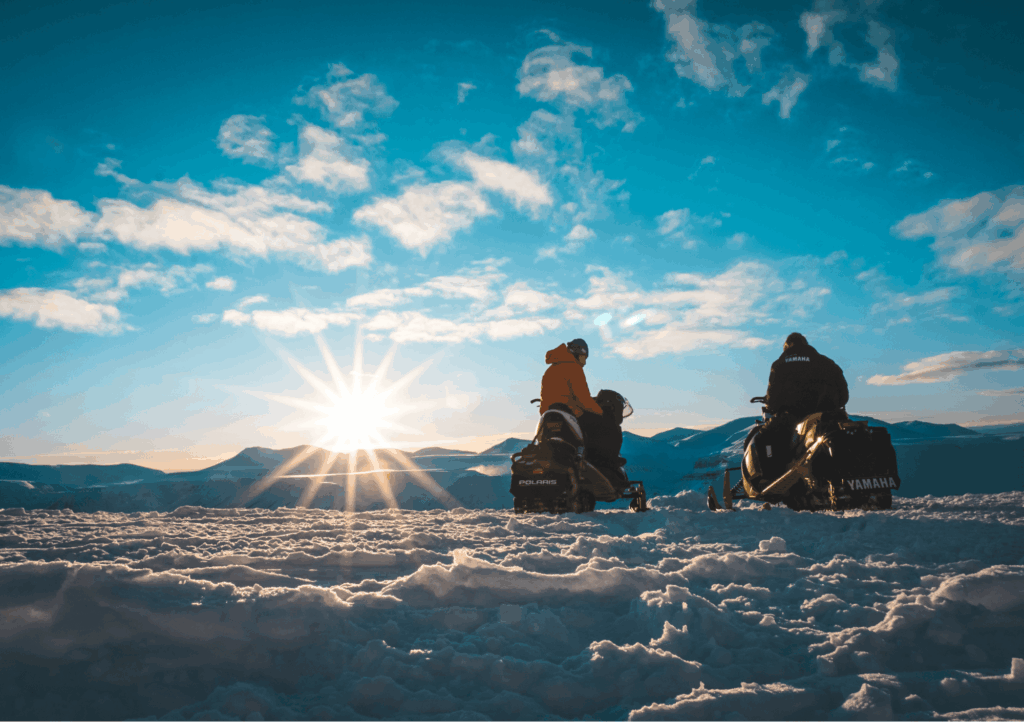
Ms Low with her husband drove their snowmobiles when the sun is out. Photo credit: Low Weisi
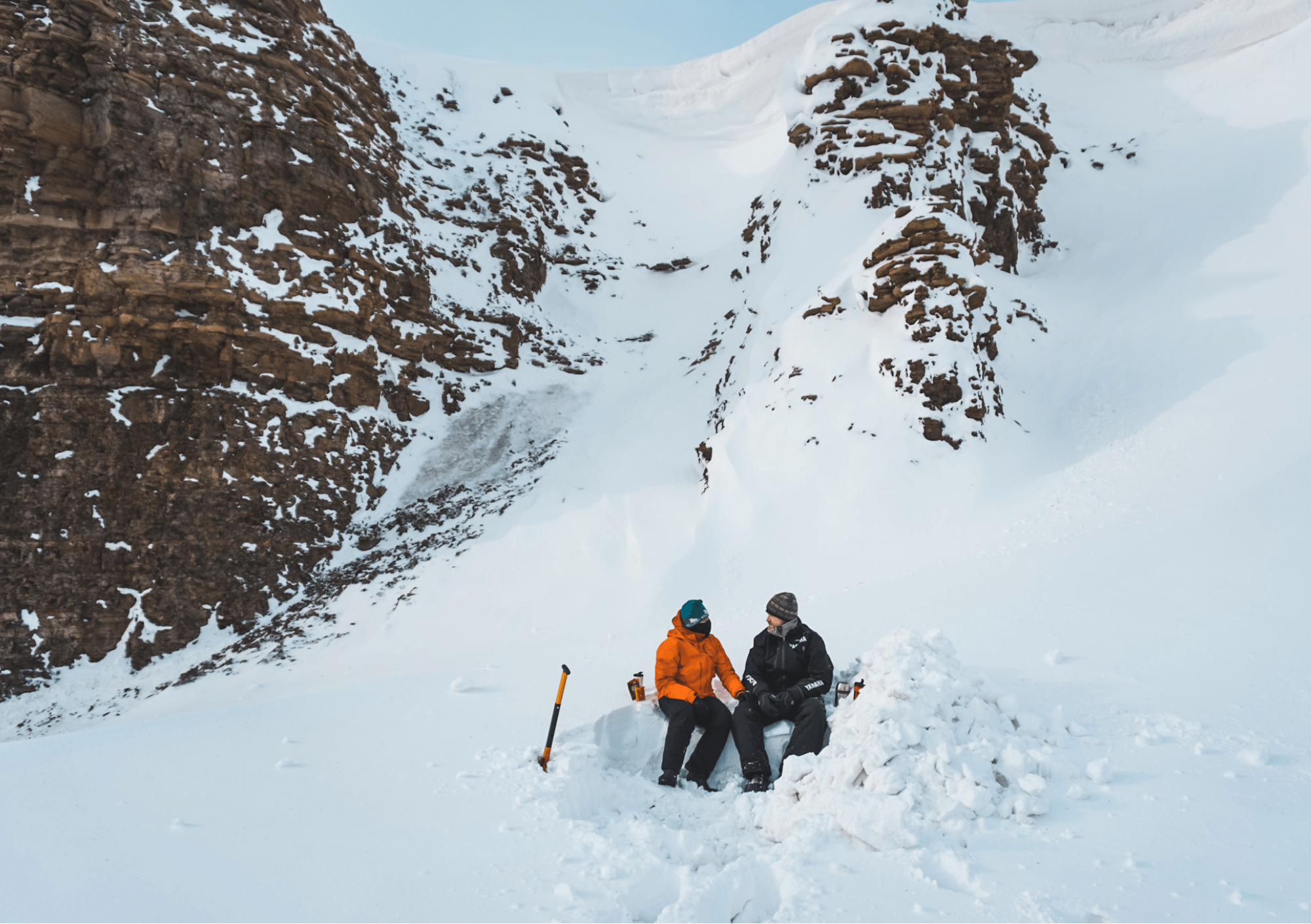
Ms Low shares her ideal day in the Norwegian archipelago. It begins by waking in a tent or the couple’s RV, stepping out into the freshest air as the sun gently rises, with a cup of hot Milo. After whipping up a scrumptious breakfast, the couple hop on snowmobiles, or a boat, depending on the season to soak in the landscapes they call home. Breaks come with warm drinks, chocolate biscuits and expedition food. When the sun sets, they would head back to camp for good conversation, a hearty dinner, and a well-rested sleep.
LOOKING BEYOND THE FEAR
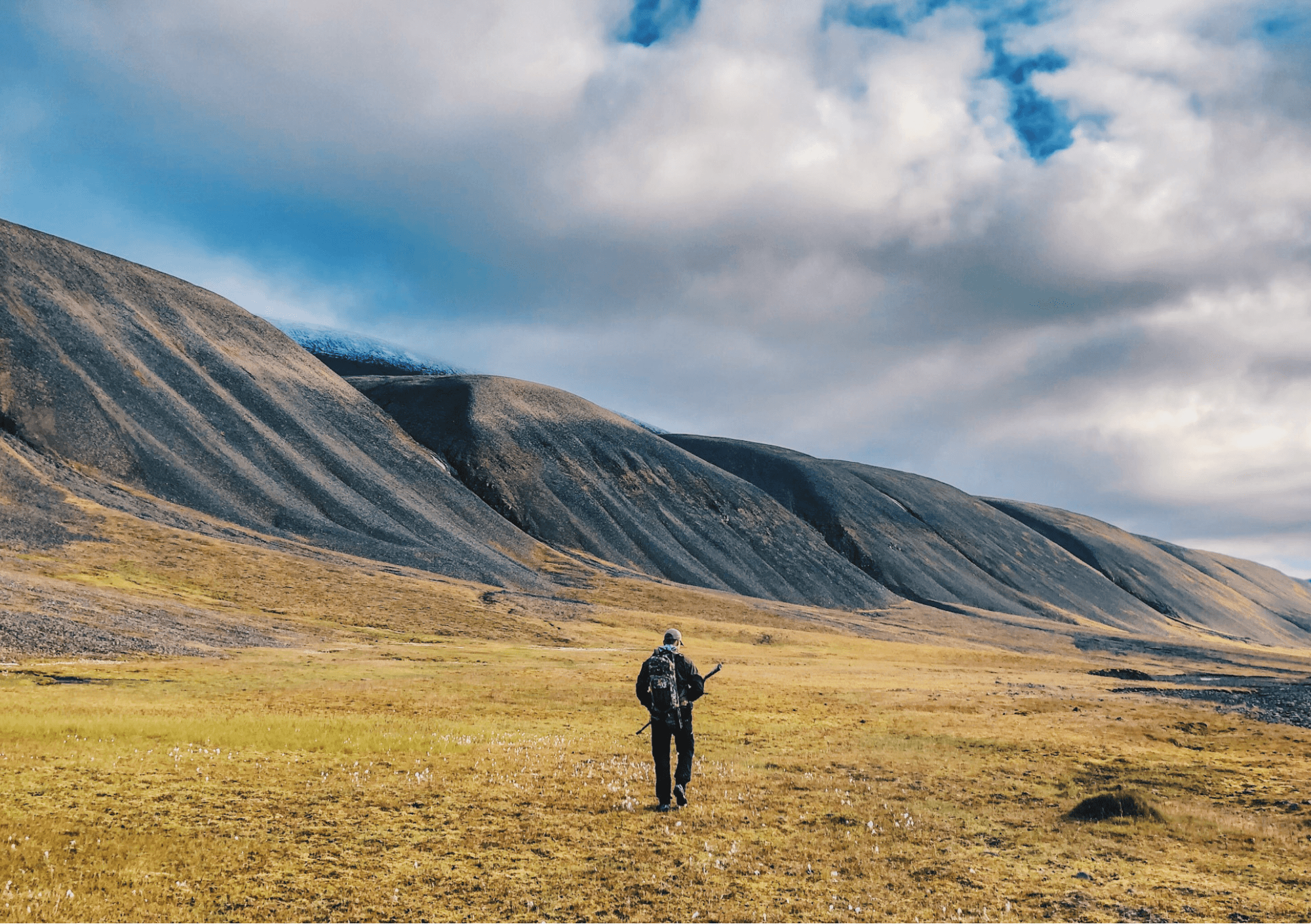
Svalbard, she acknowledges, can seem intimidating because of the sheer remoteness and the need to carry a rifle for polar bear protection whenever you leave town. “While some of the concerns are warranted, I hope readers won’t let this fear cripple their desire to visit such a beautiful place,” she said.
That is why Ms Low has since opened a travel business in Svalbard called The Svalbard Life, which offer tours to Singaporeans and guide them through an experience of their lifetime.
From a tropical island to the edge of the Arctic, Ms Low has found her place in the world. And it’s one she can’t wait to share.
Various scenery of the Norwegian archipelago. Photo credit: Low Weisi
Various scenery of the Norwegian archipelago. Photo credit: Low Weisi
Various scenery of the Norwegian archipelago. Photo credit: Low Weisi
Various scenery of the Norwegian archipelago. Photo credit: Low Weisi
INSIDER RECOMMENDATIONS
Food: Try the local delicacies, reindeer stew and whale steak, or opt for a pizza at Kroa Restaurant.
Shopping: Browse Skinnboden for ethically sourced furs from fox to seal to deer, that make meaningful souvenirs.
Explore hidden gems in Norway: Venture to Lofoten in the north, or Geiranger, Olden and Loen in the south with beautiful Gatorade-blue lakes.
Readers interested in visiting Svalbard and taking a tour with Ms Low can contact her at thesvalbardlife@gmail.com.
For more travel recommendations from the NUS community, visit the NUS Food & Travel Map.