It is a truth universally acknowledged that, for many singles, the modern dating world is in want of improvement.
For young graduates raised in an era of swipe-based dating apps and the infinite social media scroll, the experience can feel more disorienting than romantic. The seemingly limitless options provided by such apps have contributed to a culture criticised for minimal investment, indecision, and the illusion that a better match is just a swipe away.
At the same time, leaving university often means losing the organic, repeated social interactions that foster relationships—interactions that a campus environment naturally provides. As a result, dating can feel superficial and transactional—with potential partners frequently judged and dismissed on first impressions alone.
Enter the NUS alumni who are rethinking romance by utilising the newest bow in Cupid’s arsenal: artificial intelligence.
TO SWIPE OR NOT TO SWIPE?
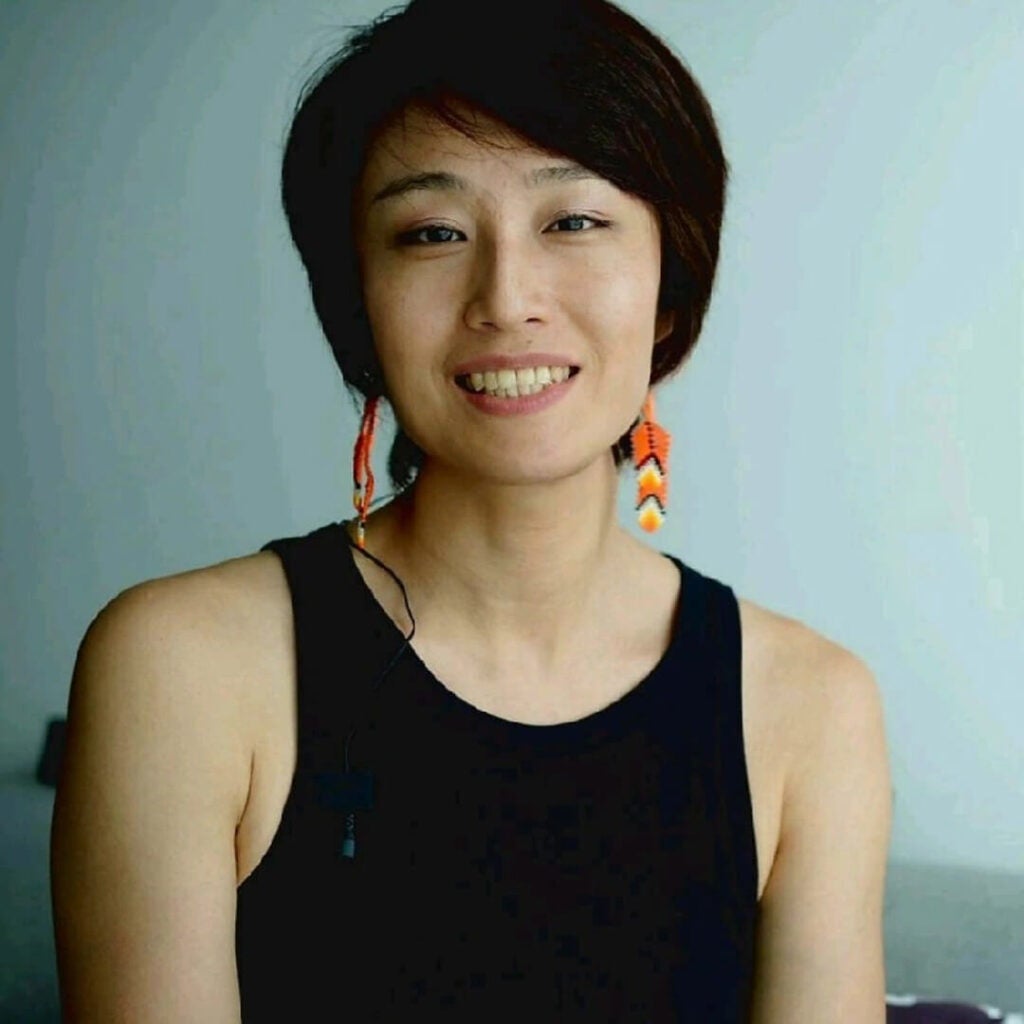
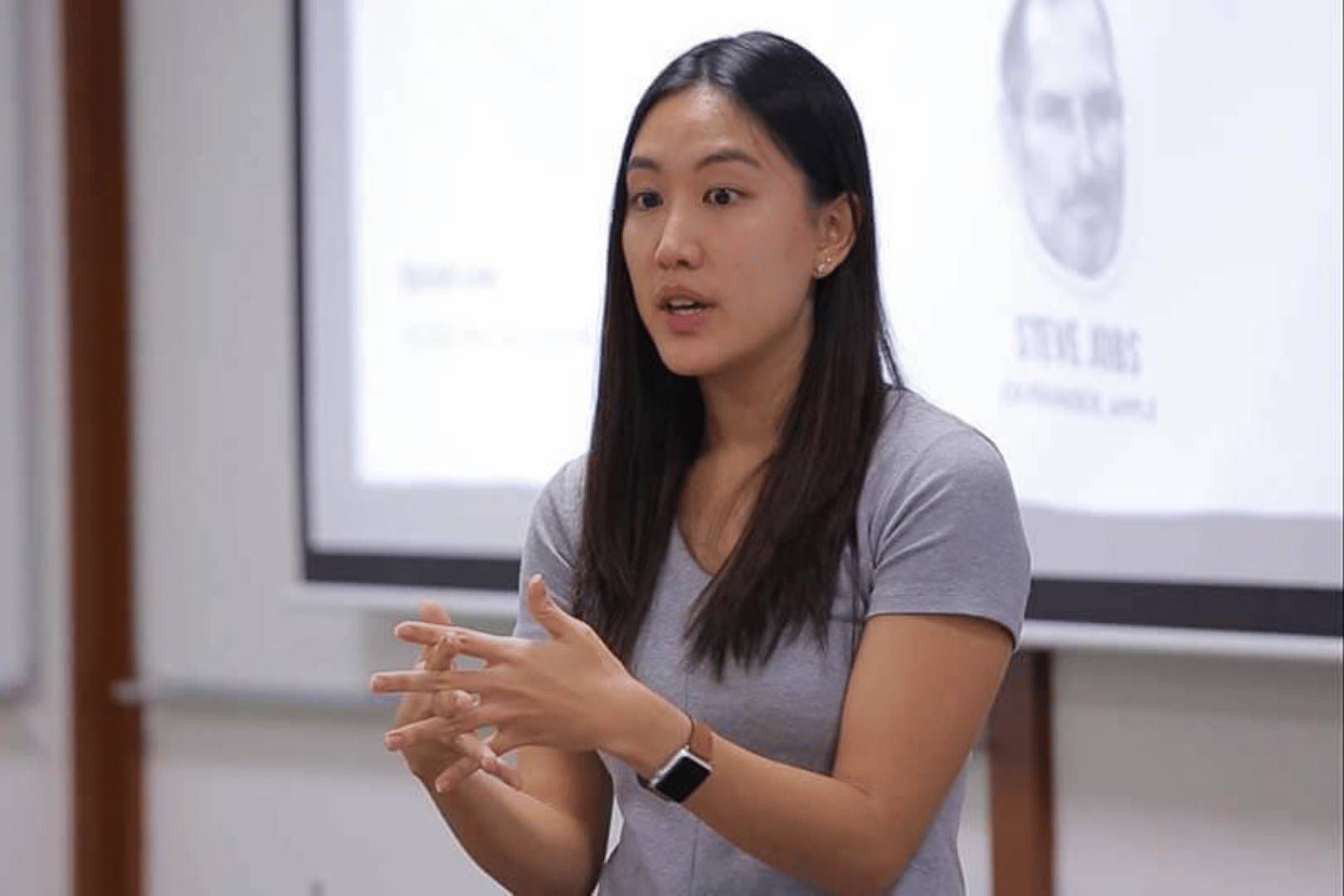
“A lot of people go to swipe-based apps wishing to get what they want,” said Ms Claire Li (Engineering ’11), Founder of TrueVibe. “But what makes a relationship work is not what they want, but what they need.”
TrueVibe is rooted in Ms Li’s personal experience with dating and her professional experience with corporate recruiting. For more than a decade, she helped interview senior executives, identifying their underlying motivations and matching them with the right job opportunities. But when it came to dating, she frequently found that her emotions clouded rationality, leading to heartbreak and wasted time.
“That’s when the idea clicked. I wanted to build an “AI relationship recruiter” — something that could help people shortlist partners the way recruitment shortlists candidates,” said Ms Li.
The startup distinguishes itself from other dating platforms by focusing on self-discovery and efficiency. Rather than incentivising people to stay on the platform by endlessly scrolling through profiles, TrueVibe prides itself on moving people and conversations offline as quickly as possible.
In fact, there is no swiping involved. Users instead initially converse with an AI chatbot named Vera, trained on psychological, coaching, and behavioural frameworks. By gathering information on the user’s personality, emotional needs, and long-term relationship goals, the chatbot helps clarify dealbreakers, recurring patterns, and blind spots—encouraging self-reflection before presenting a curated list of potential partners.
As a digital nomad, Ms Li validated the approach by running in-person events in cities around the world, with 60% of attendees finding a match and 90% reporting they learned more about themselves. Today, these events remain a core part of TrueVibe’s hybrid model: users can engage solely through the platform and receive personal introductions, or additionally attend guided events designed to test compatibility in a real-world setting.
MATCH ME IF YOU CAN
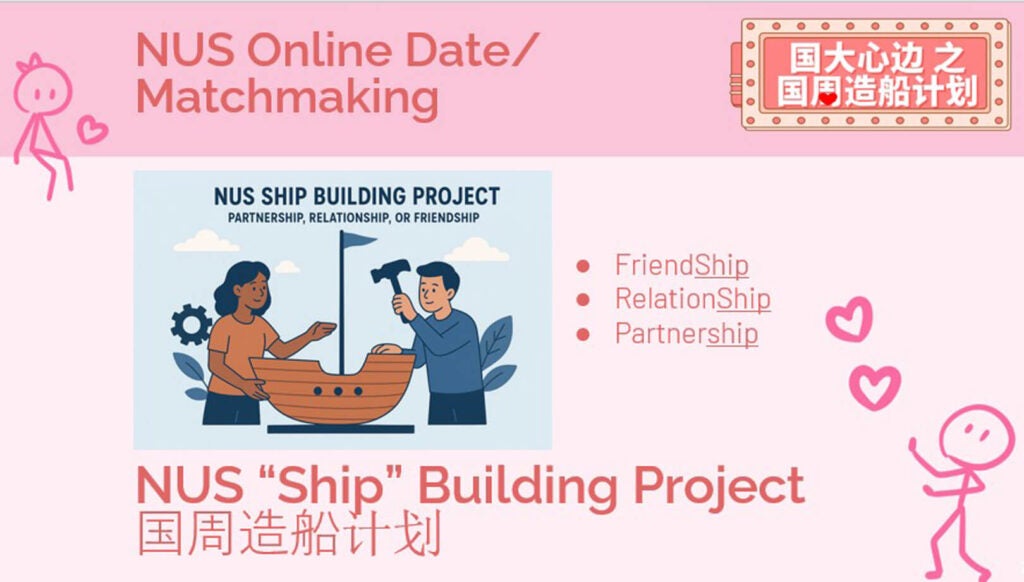
A similar hybrid philosophy underpins the NUS Alumni Network Chinese Society’s approach to matchmaking: pairing its own AI-assisted tool alongside facilitated events through its Shipbuilding Project ( 造船计划). However, whereas TrueVibe primarily serves users across Asia, the NUS Alumni Network Chinese Society focuses exclusively on its NUS student and alumni members.
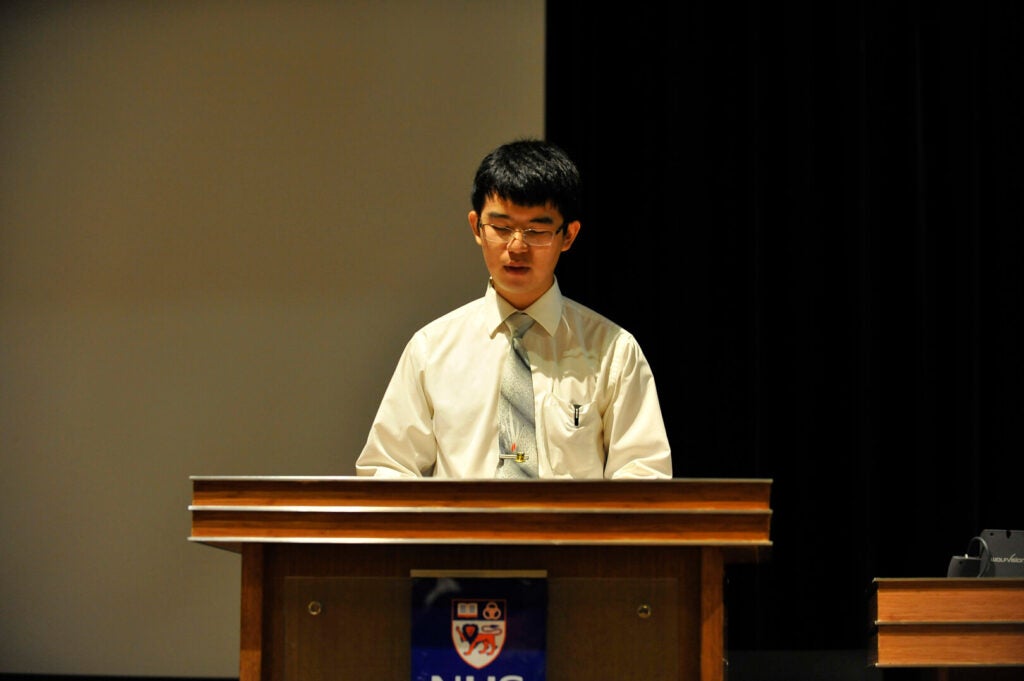
The Shipbuilding Project started 10 years ago while the Network was still a student group and its current Chairperson, Mr Zhang Yezhong (Engineering ’19, Design and Environment MSc ‘19), was an undergraduate. The group—devoted to the promotion of Chinese culture—became a recognised Alumni Network in 2025.
With its activities existing only online post-COVID, the Network now runs the Shipbuilding Project twice a year to help its members connect and get to know one another. These events regularly attract more than 100 participants per session—reflecting their utility for both community-building and matchmaking.
Participants first complete a questionnaire on Google, detailing their partner preferences on everything from academic status and length of time living in Singapore, to co-curricular activities. Originally handled manually, the matchmaking process is now automated through an algorithm developed by Mr Zhang, a software engineer who minored in computer science. “What once took days for us to do can now be done in seconds,” he said.
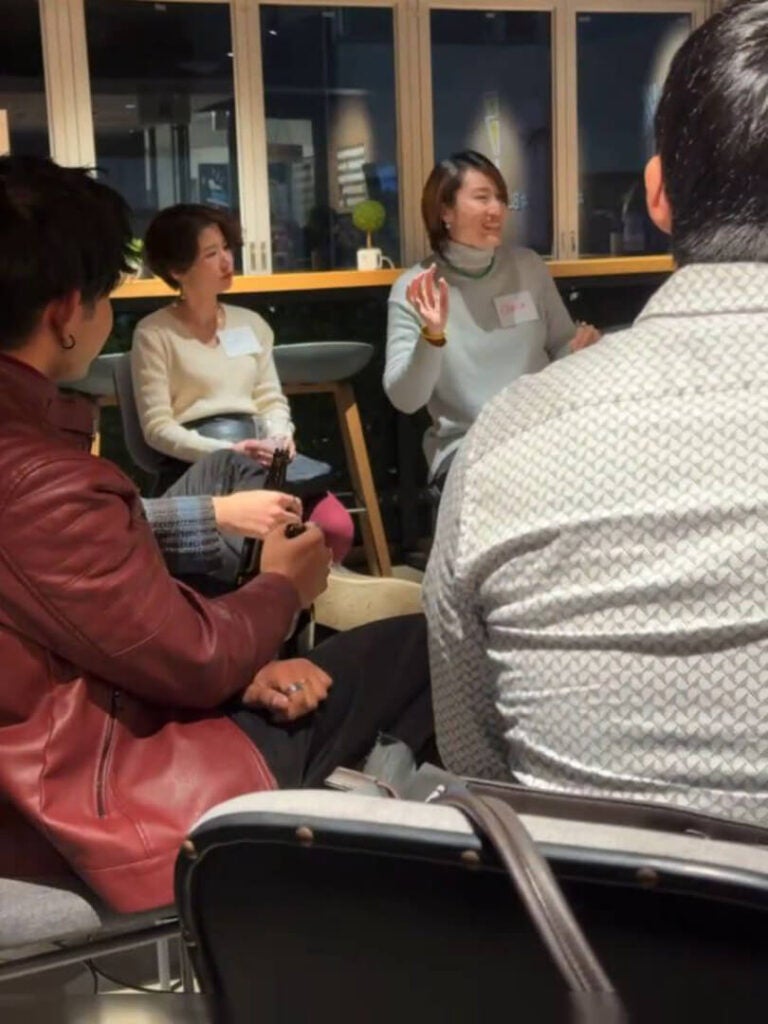
After the matches have been generated, participants attend a three-day Zoom event, inclusive of group sessions, one-on-one conversations and games. Volunteer facilitators from the Network oversee the activities, encouraging more introverted participants to engage while also providing a layer of safety and guidance throughout.
BUILDING BRIDGES
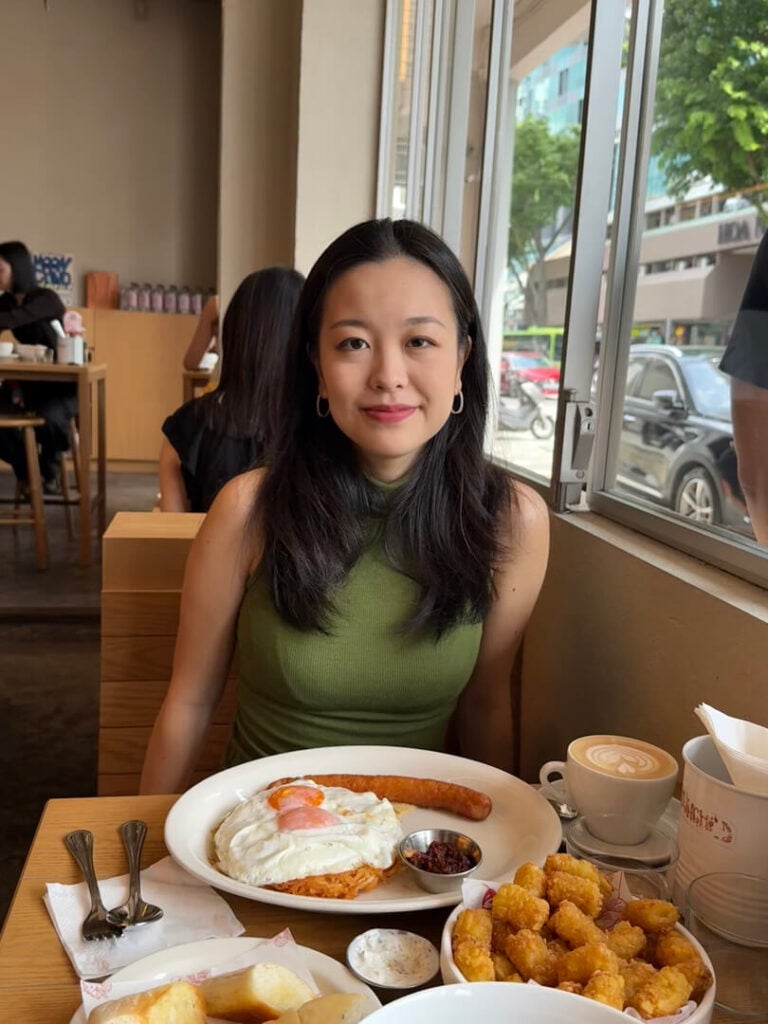
“Overall, it was a very positive experience. Through this event, I was fortunate to successfully match with my current girlfriend—we exchanged contact information at the time, which marked the beginning of our relationship.” -Jason (current Engineering student)
LOVE IS BLIND
Importantly, both Ms Li and Mr Zhang subscribe to the ethos that potential matches should avoid making snap decisions based on physical appearance. TrueVibe users therefore don’t see—and cannot reject—their matches prior to meeting them. Likewise, attendees to the NUS Alumni Network Chinese Society’s matchmaking events are initially instructed to turn off their Zoom cameras, keeping the focus on the conversation.
The idea isn’t to remove human agency from the equation or to deny that appearance matters—but to allow attraction the opportunity to naturally develop.
“Sometimes people come in with certain preferences for a partner—height, weight, etc.—but after meeting and talking to people, they often realise that that criteria doesn’t actually matter as much as they thought it did,” said Mr Zhang.
Likewise, Ms Li pointed to the example of a couple who connected at a TrueVibe event in Bangkok. “I knew that the woman was not the man’s physical type. But once they met, their chemistry was obvious to both of them. That’s when I knew our method worked.” Three months after their first date, which included five hours of non-stop talking, the couple is still going strong.
DEGREES OF ENGAGEMENT
Like any technology that operates in the field of human emotions, the development of these tools has involved a degree of trial and error—revealing lessons that extend beyond dating.
“There were definitely challenges,” said Mr Zhang, who reviews the outcomes of each matchmaking session to fine-tune the Network’s algorithm. “But people have been very positive—60% show interest in pursuing their match, and we know of one couple that has gotten married.”
Intriguingly, much of the feedback the NUS Alumni Network Chinese Society has received is the desire for relationships that are not necessarily romantic.
“We’ll have attendees reach out to us post-event to connect with people they met in their group sessions as friends,” said Ms Wu Yuhan (Arts & Social Sciences ’24, MA ’25), Project Chairperson and EXCO member of the Network. “And for others, if the event purpose is too explicit—like finding a boyfriend—it can create too much pressure.”
These insights have prompted the Network to explore using its tool for broader connections, including friendship and networking. In February or March of this year, it will launch a new mentorship initiative, helping to bridge alumni with students for career guidance and planning.
“Additionally, while we don’t have concrete plans, we do also want to expand our audience—possibly to other alumni groups or universities in the future,” said Mr Zhang.
LESSONS IN CHEMISTRY
For TrueVibe, which launched just last year, the goal is clear: become the most trusted brand for intentional daters in Asia.
“Dating in Asia has cultural nuances that global platforms often overlook,” said Ms Li. “At the same time, the core needs remain the same across cultures: people want to feel safe, they want to feel connected, and they want to feel understood.”
The focus is therefore on depth rather than scale. “I’m ambitious, but patient. Doing the right thing slowly is more important than doing the wrong thing fast.”
While the platform began as a matchmaking tool, Ms Li sees TrueVibe evolving into a more personalised relationship companion in the future: something that can support people in not only finding a partner but navigating all the complexities that follow—from communication and conflict to breakups and personal growth.
“Getting the match is just the beginning,” she said. “What matters is what happens after — and we want to be there for that entire journey.”
Thus, in an age where technology is often faulted for encouraging curated profiles and short attention spans, NUS alumni are demonstrating how those same tools—when applied thoughtfully—can return matchmaking to something more elemental. By leveraging artificial intelligence, they illustrate that intention and introspection are often the first steps in building authentic relationships—a lesson as timeless as any classic love story.
ENGINEERING CONNECTIONS
For Ms Claire Li, NUS shaped almost everything she does today. An education in engineering trained her to think analytically and systematically, break down complex problems and design solutions—skills she later applied to recruitment and now, relationship matching.
But it was outside the classroom that her interest in community and connection grew. Her extracurricular activities were defined by leadership, community building and helping others find direction: from organising one of the largest trade fairs at NUS Forum to volunteering as a career guide at the NUS Career Centre. An exchange semester in the Netherlands and her role as a PR director for Infusion, an international student community, further strengthened Ms Li’s ability to operate with confidence and communicate across cultures—skills she continues to apply at TrueVibe.
Now, her work has come full circle. This month, TrueVibe will host its first matchmaking event with NUS-ISS, an idea mooted by the institute in recognition of the gender imbalance and social dynamics within tech alumni communities.
“Even though it’s been nearly 15 years since I graduated, the amount of support I’ve received has been incredible,” shared Ms Li. “It’s a testament to how powerful alumni networks can be, and it has made me deeply proud to be part of the NUS community.”
Main image generated in Canva
-
NUS Be A-HEAD: Own Your Narrative – Personal Branding for Career GrowthThree professionals from the worlds of media, recruiting and communications coac... -
Trek and Connect 2026: Walking into Conversations That MatterSet in the relaxed surroundings of the Singapore Botanic Gardens, Trek and Conne... -
From Churning it Safe to Going Borderless with ButterHer butter flavours are bold and unexpected—but Ms Arden Zhuo (Business ’20)...