SINGAPORE’S ROLE IN A NEW GLOBAL ERA
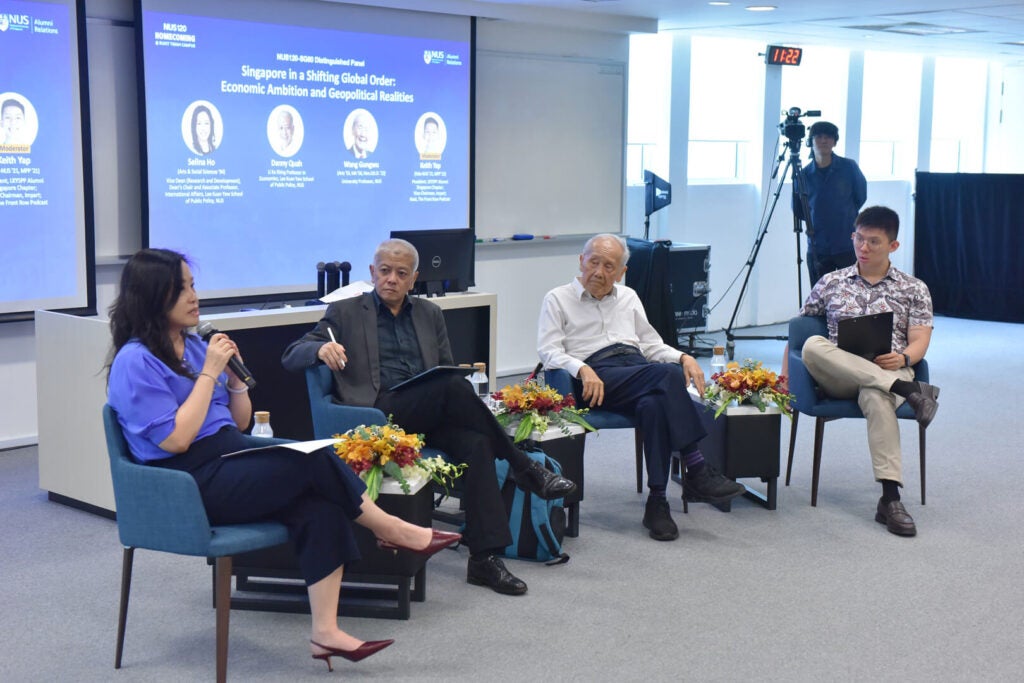
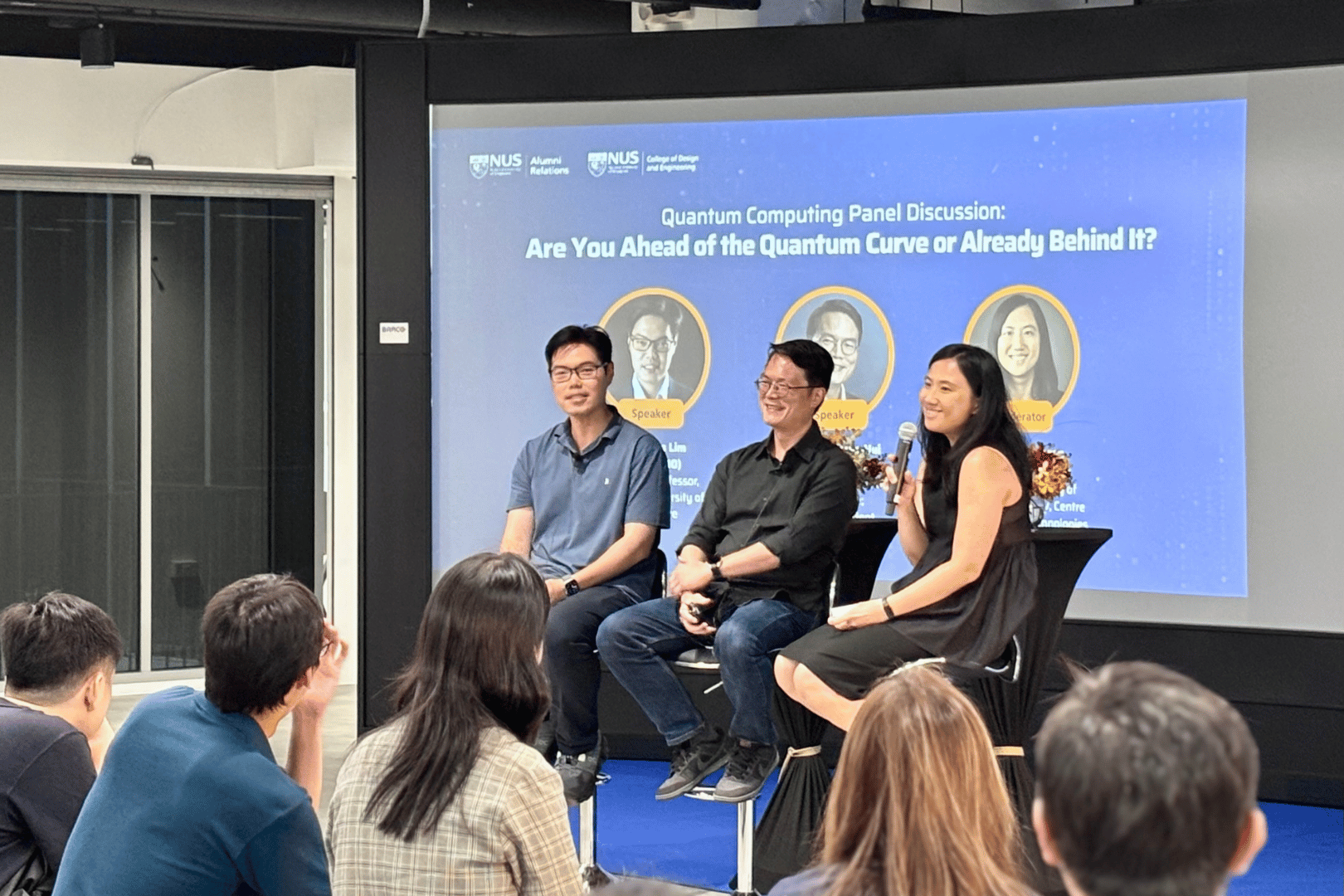
NUS120 Homecoming also featured a distinguished academic panel on “Singapore in a Shifting Global Order,” featuring University Professor Wang Gungwu (Arts ’53, MA ’56, HonLittD ’22); Professor Danny Quah, Li Ka Shing Professor in Economics, Lee Kuan Yew School of Public Policy (LKYSPP); and Associate Professor Selina Ho (Arts & Social Sciences ’94), Vice Dean (Research and Development), Dean’s Chair Associate Professor, LKYSPP. The discussion, moderated by Mr Keith Yap (Yale-NUS ’21, MPP ’21), President of the LKYSPP Alumni Singapore Chapter, provided a multi-faceted look at Singapore’s strategy as it marks 60 years of independence.
Professor Wang framed the current geopolitical landscape as one dominated by the US and China, which he described as “empire states” whose global actions are driven by a scale of interest and influence far beyond that of traditional nation-states. In this context, he credited Singapore’s success to its strategic evolution into a “global city” — a neutral, hyper-connected hub for finance, logistics and diplomacy that makes itself indispensable to the world economy.
Professor Quah built on this, suggesting that Singapore’s strategy must evolve from the defensive “poisonous shrimp” concept of its early years to a more agile “dolphin strategy”. This, he explained, involves being smart about building a diverse portfolio of international partnerships, allowing the nation to pivot quickly in response to geopolitical shifts rather than being locked into a single, rigid alliance.
Associate Professor Ho concluded the strategic discussion by arguing that in a new multipolar world, Singapore cannot be passively neutral. Instead, it must engage in “active choosing”, proactively taking principled stands on international law and seeking opportunities for collaboration based on its national interests. She emphasised that strengthening ASEAN is a key part of this strategy, as a resilient and integrated region creates a more stable and predictable environment, which is a direct strategic benefit for Singapore.
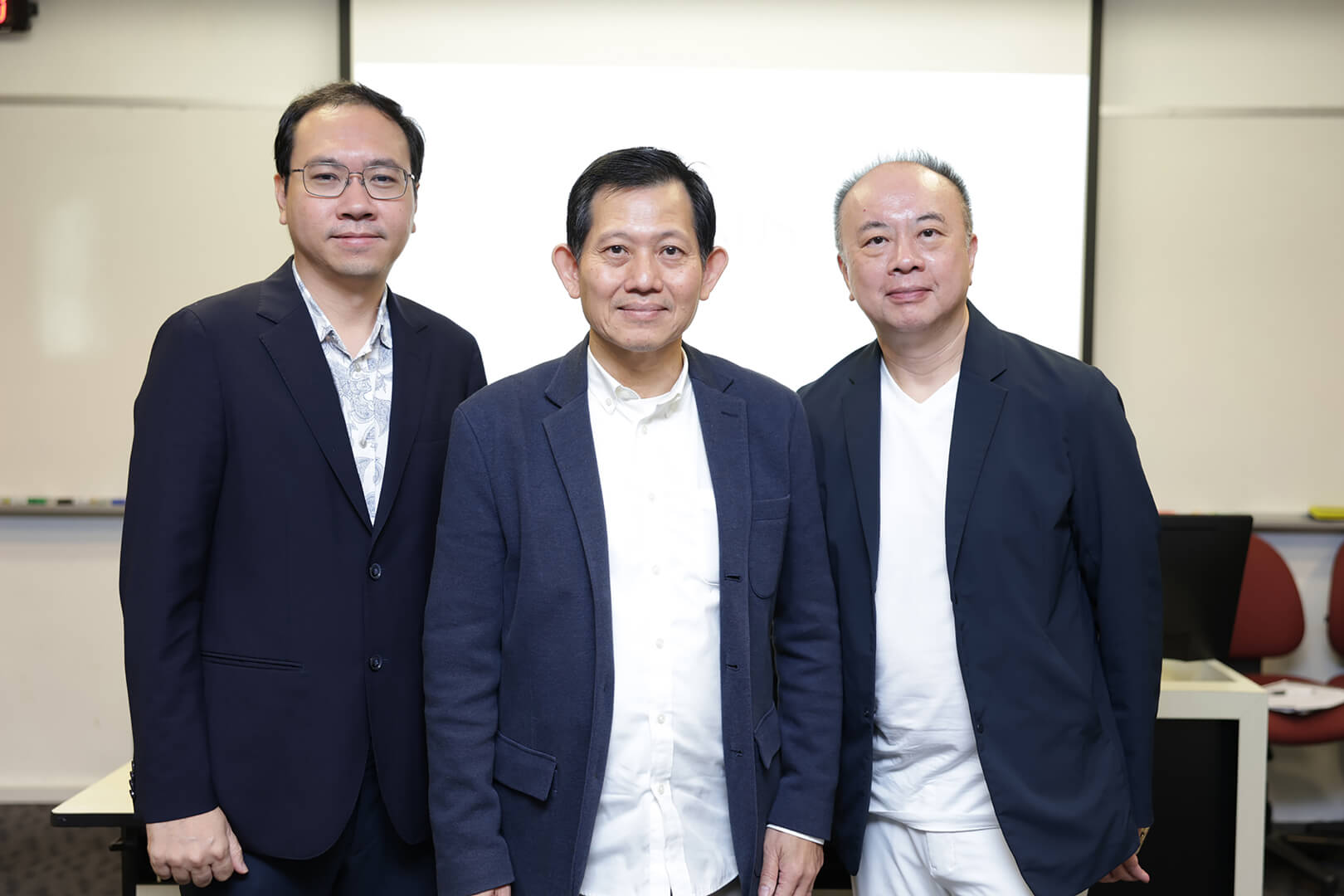
“[The panel] challenged my own perspective and offered another way to look at the world,” said Mr Loh Koon Chee (Computing ’96), who was attending his first alumni event after 20 years away from Singapore.
Mr Ong Sin Tiong (Science ’95), another first-timer at alumni events, was drawn to Homecoming because of the special significance of the 120th anniversary. “I thought I should come and get some pearls of wisdom from the panellists!” said Mr Ong. “I have the shared concern that the current turbulent times will affect the lives of many workers.”
A DAY OF CONNECTION AND LIFELONG LEARNING
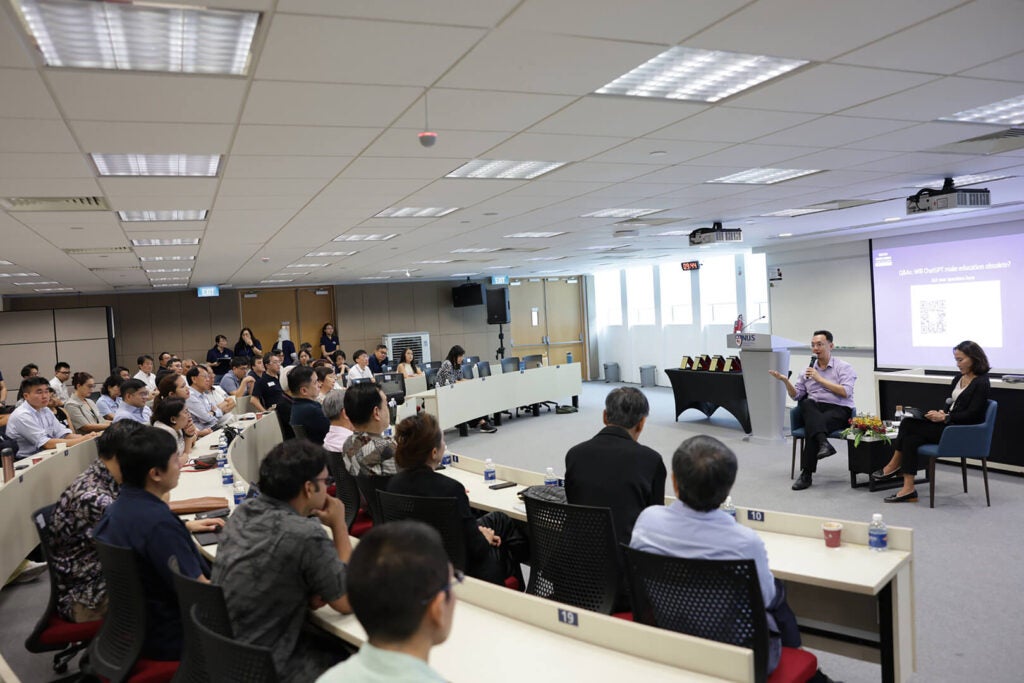
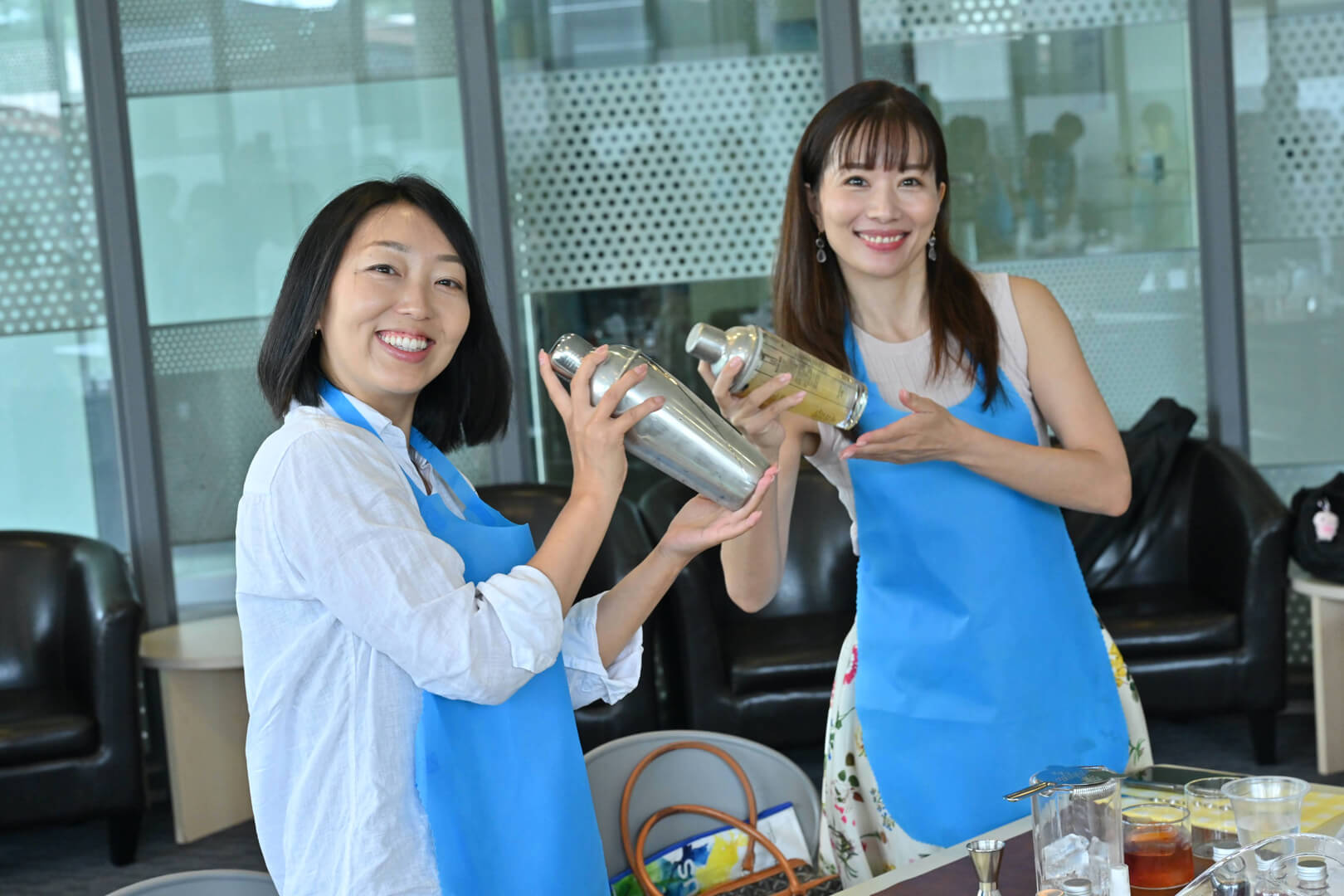
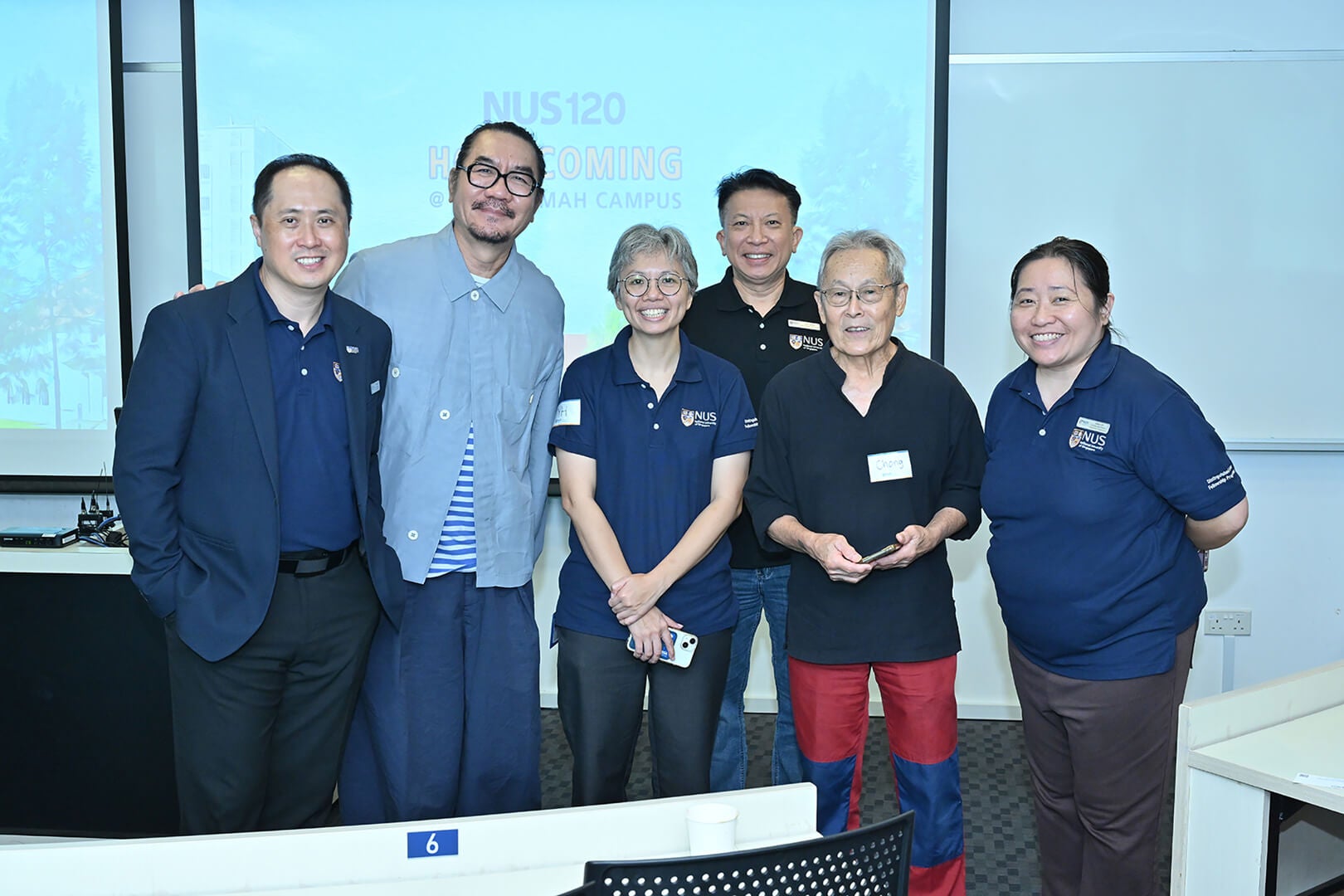
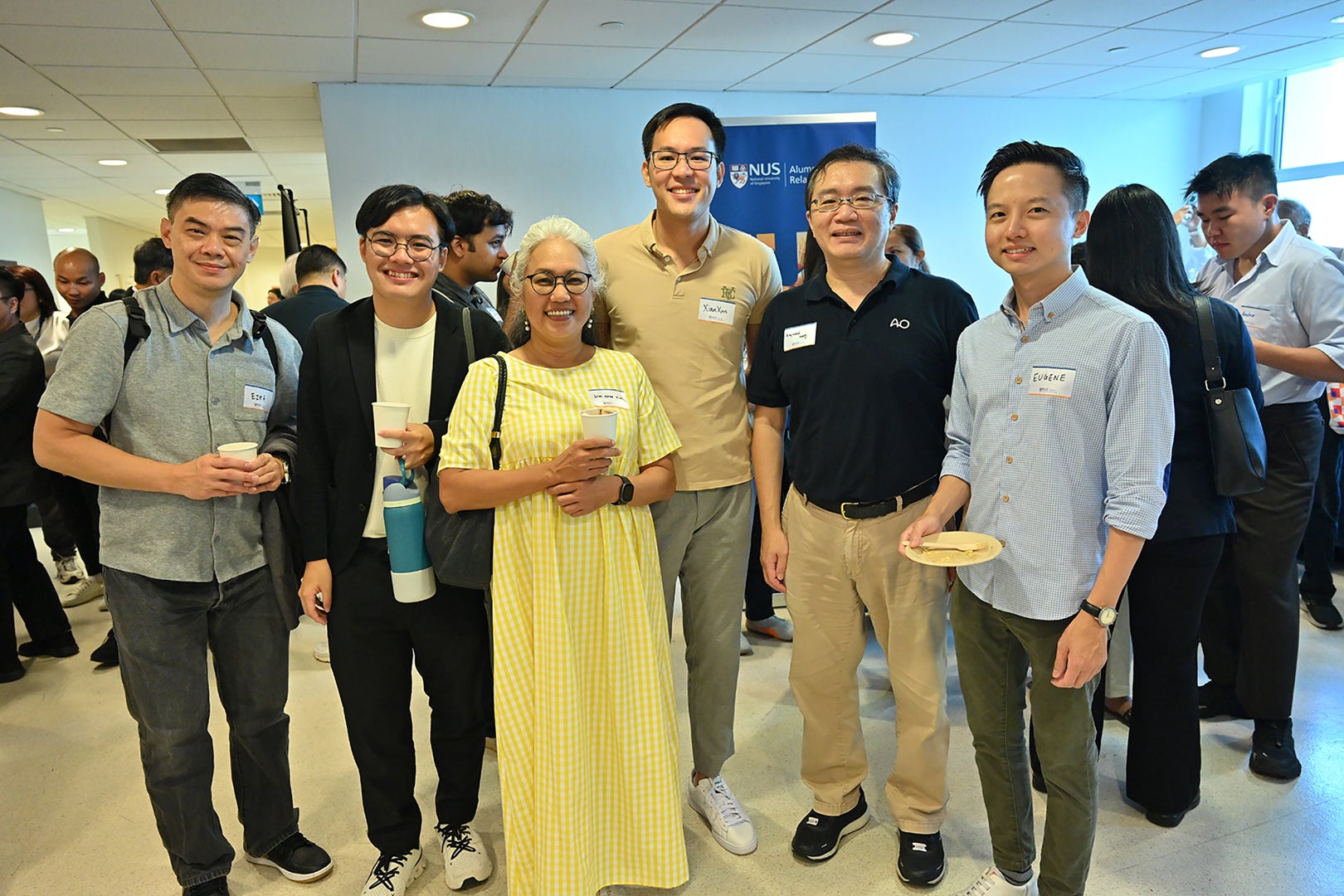
Beyond the main sessions, Homecoming offered a rich variety of activities that captured the spirit of the university experience. Alumni enjoyed a hands-on cocktail mixing workshop, creating a buzz of conversation and laughter. Others engaged with senior leaders in a Human Library session by the Distinguished Senior Fellowship Programme (DSFP), focusing on navigating life after a peak career and sparking thoughtful intergenerational dialogue. A practical talk on legacy planning also drew interest, providing valuable financial and philanthropic insights. Booths hosted by DSFP, NUS Lifelong Learning (L3), and NUS Giving provided tangible avenues for alumni to reconnect with the University, explore new courses to upskill and contribute to causes they care about. Finally, a buffet lunch provided a relaxed setting for participants to continue their conversations and enjoy the company of fellow alumni.