AlumNUS

NUS Homecoming 2026 Welcomes Alumni Back to Campus

Candid conversations, lifelong learning and shared celebration: NUS Homecoming affirms connections across generations and borders.

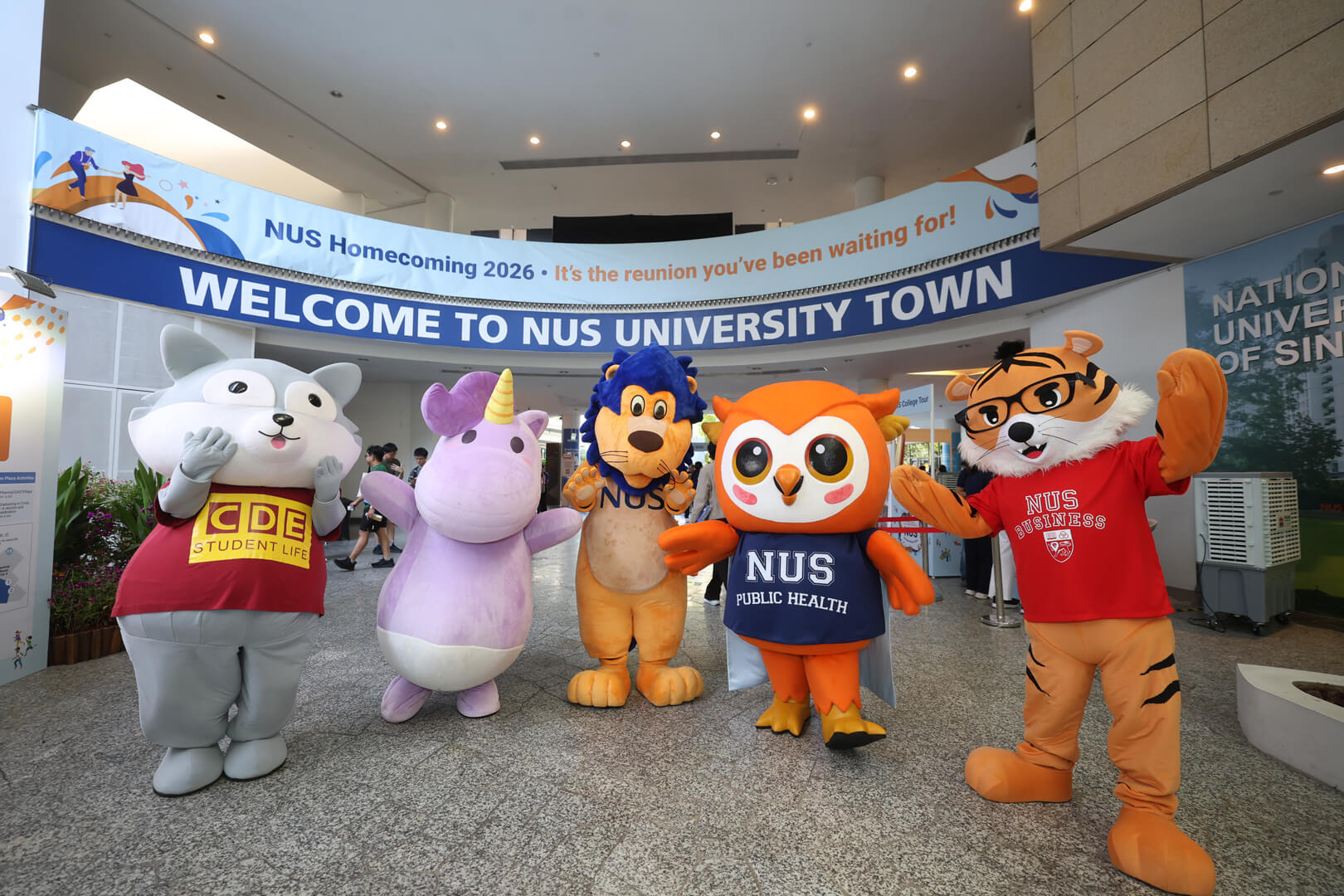
Hundreds of alumni returned to campus on 27 June for NUS Homecoming 2026, reconnecting with old friends and revisiting familiar spaces in a day of learning, discovery and celebration.

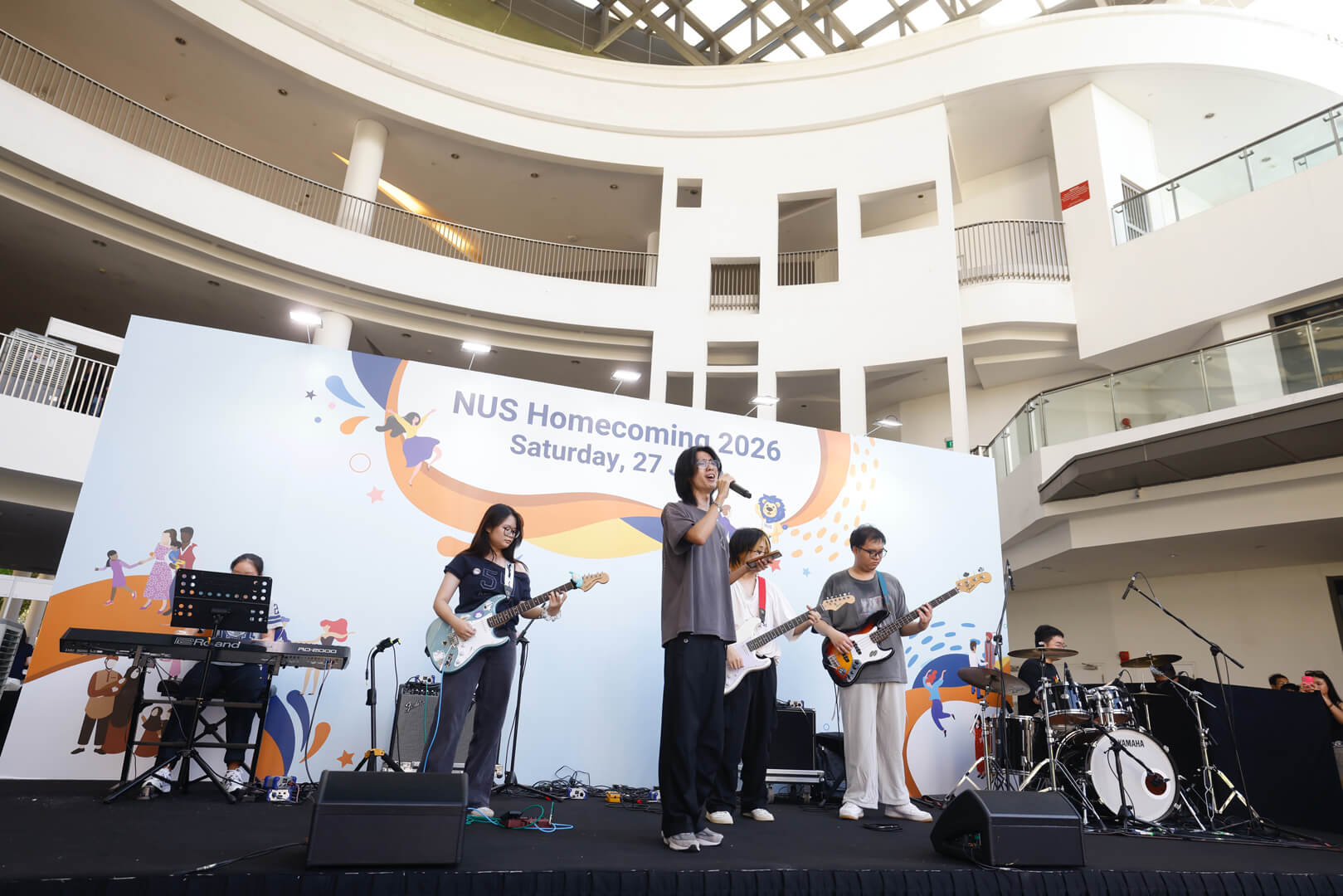
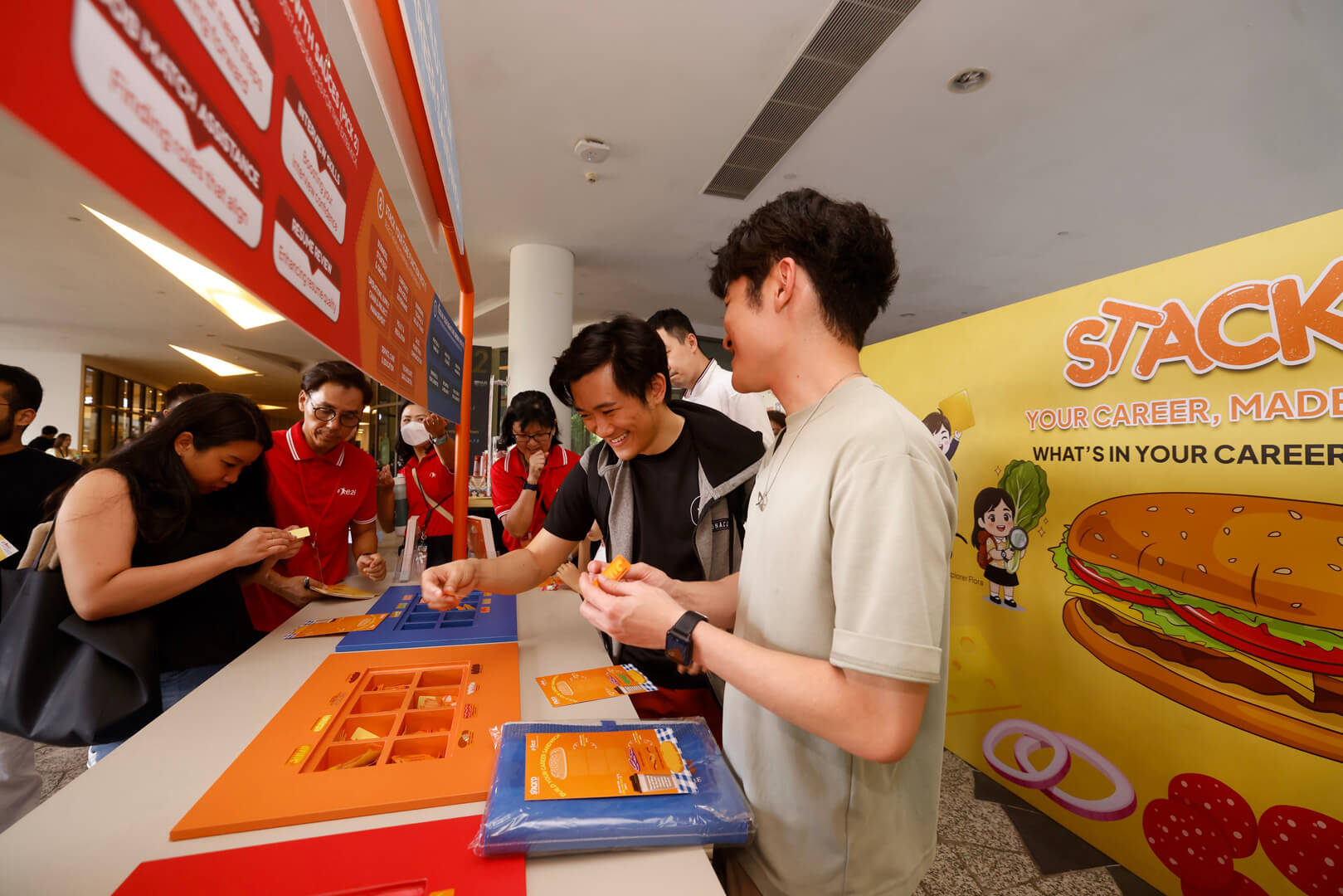
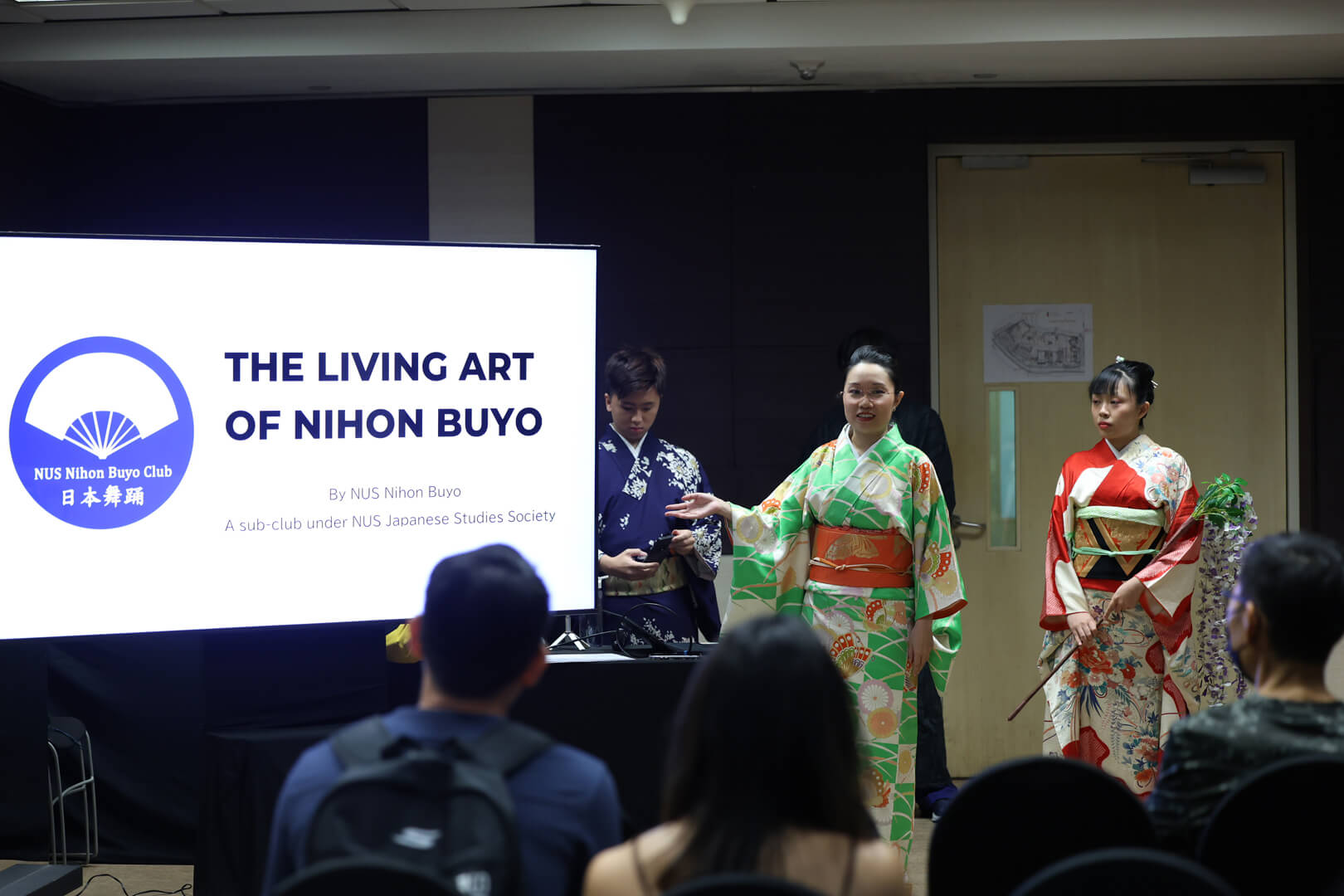
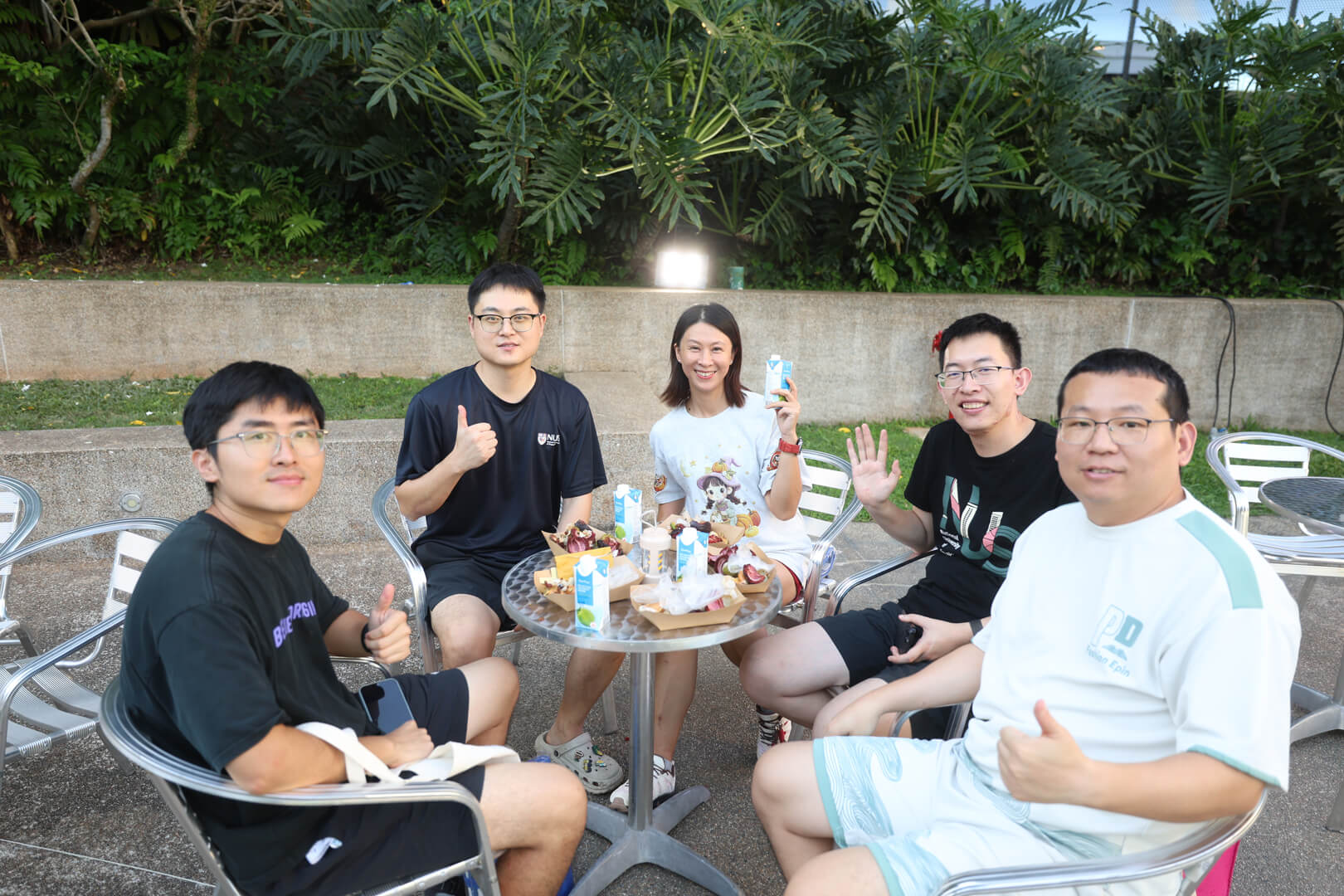
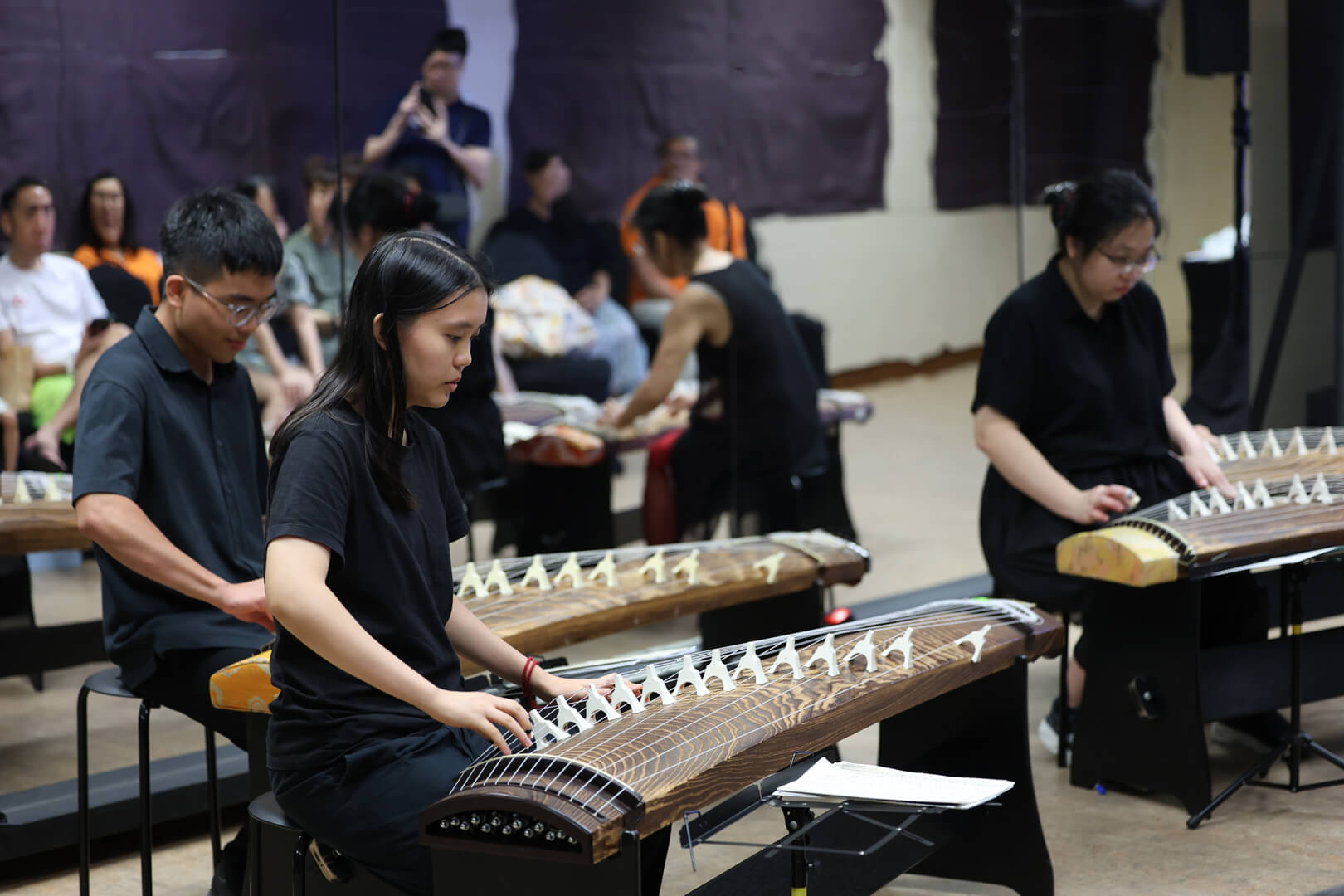
Held at University Town on the Kent Ridge campus, the event unfolded with expert talks, live band performances, showcase booths and durian tasting. Throughout the afternoon and evening, participants explored new ideas, picked up practical insights and created new memories with fellow graduates.

LEARNING, RECONNECTING AND COMING HOME

At the fireside reflections with fellows from the Distinguished Senior Fellowship Programme, alumni explored a question that feels increasingly urgent in an age of longer lifespans: how does one thrive in the 100-year life?

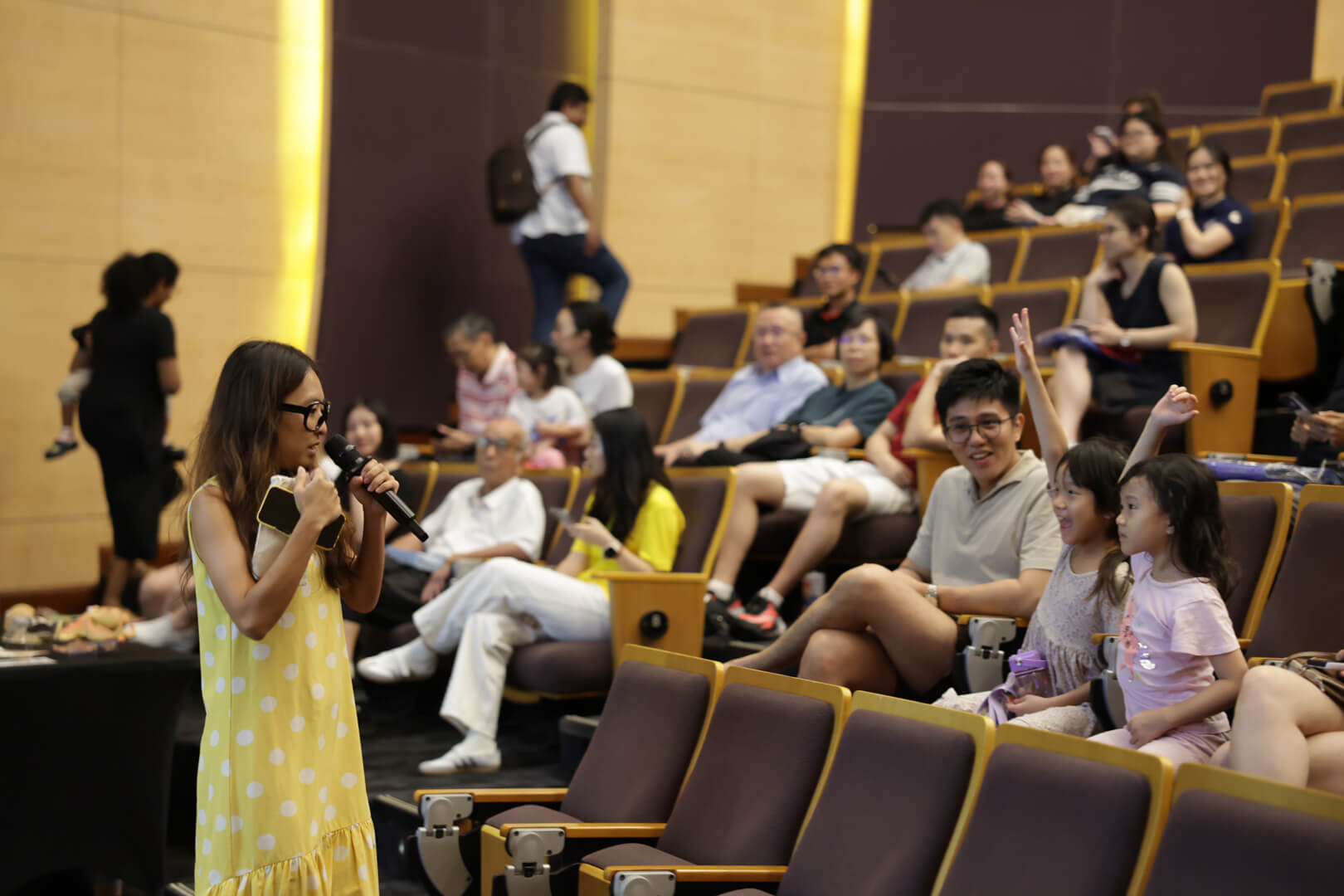
For nature lovers — and alumni who brought their little ones along — content creator Ms Kong Man Jing (Science ’17), also known as Biogirl MJ, hosted a lively showcase on Singapore’s marine biodiversity, inviting curious questions through specimens such as a shark’s egg case.

Among the young minds piqued by the display were the two daughters of Ms Poh Ping Qi (Arts & Social Sciences ’10), aged five and seven. “We brought our kids along for exposure and to learn something new, and because we wanted to inspire our kids and show them this was their parents’ school,” Ms Poh shared.

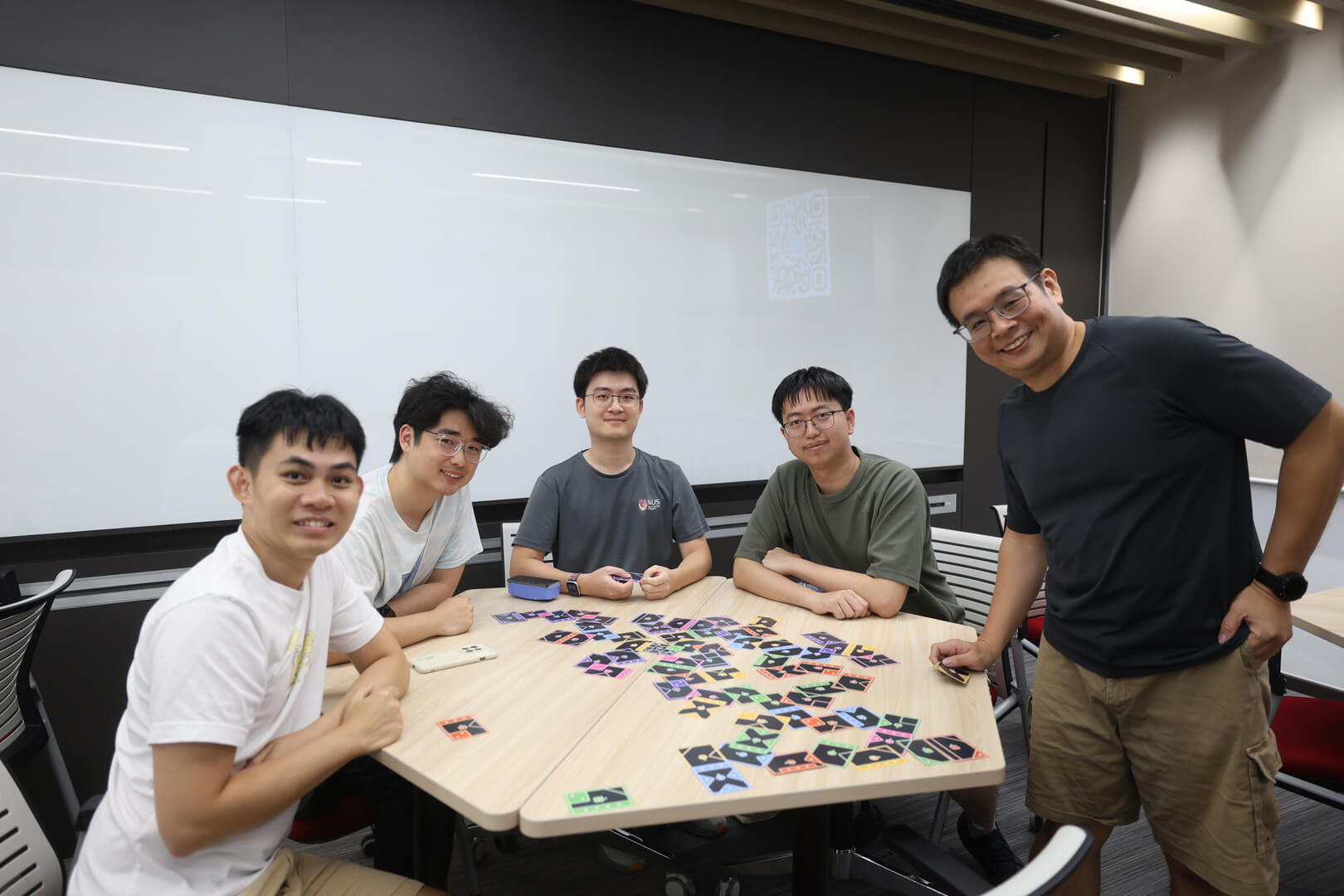
That spirit of reconnection ran through the wider Homecoming programme, with space set aside for alumni group gatherings, board game sessions and informal catch-ups.

A DAY OF JOY AND CELEBRATION

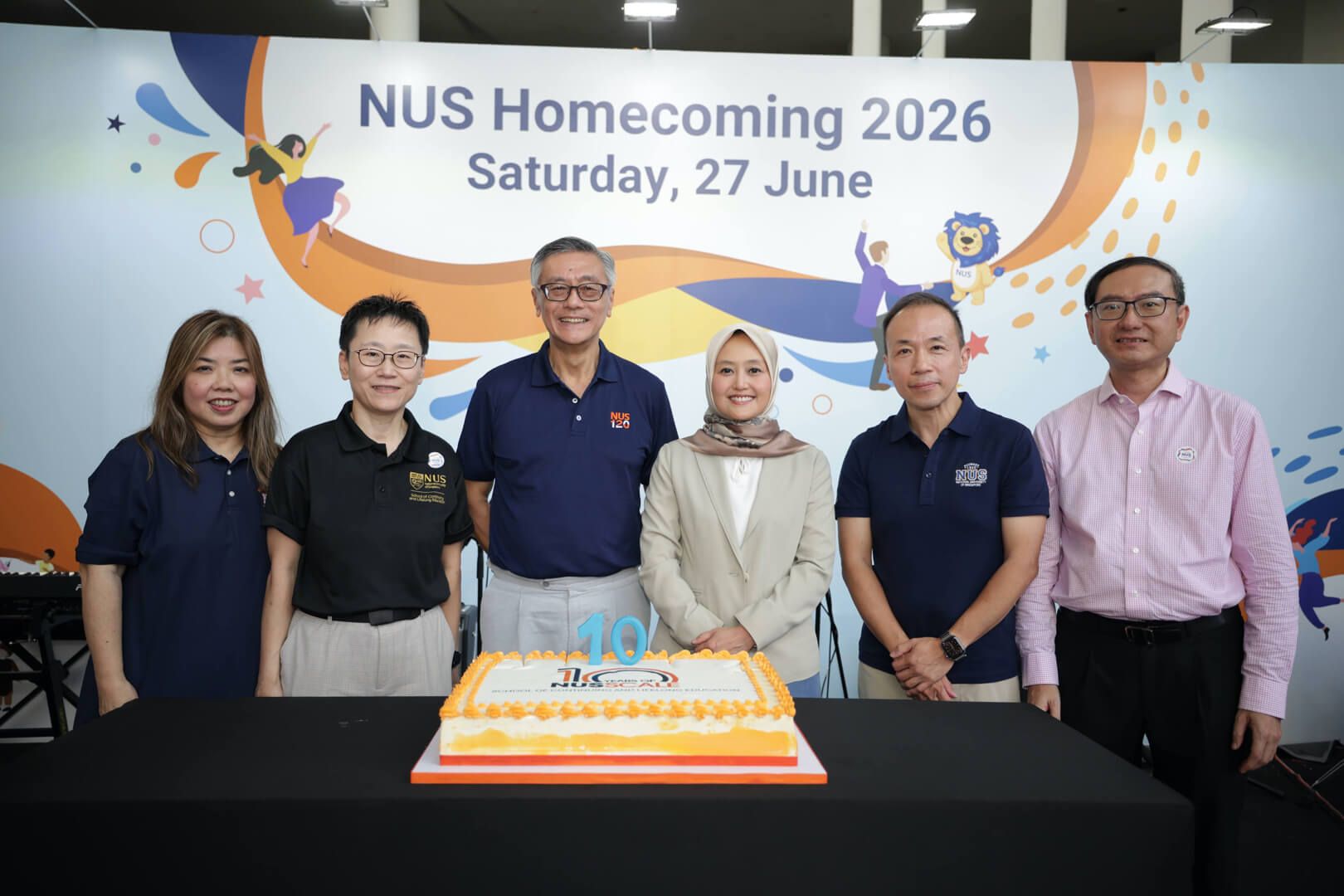
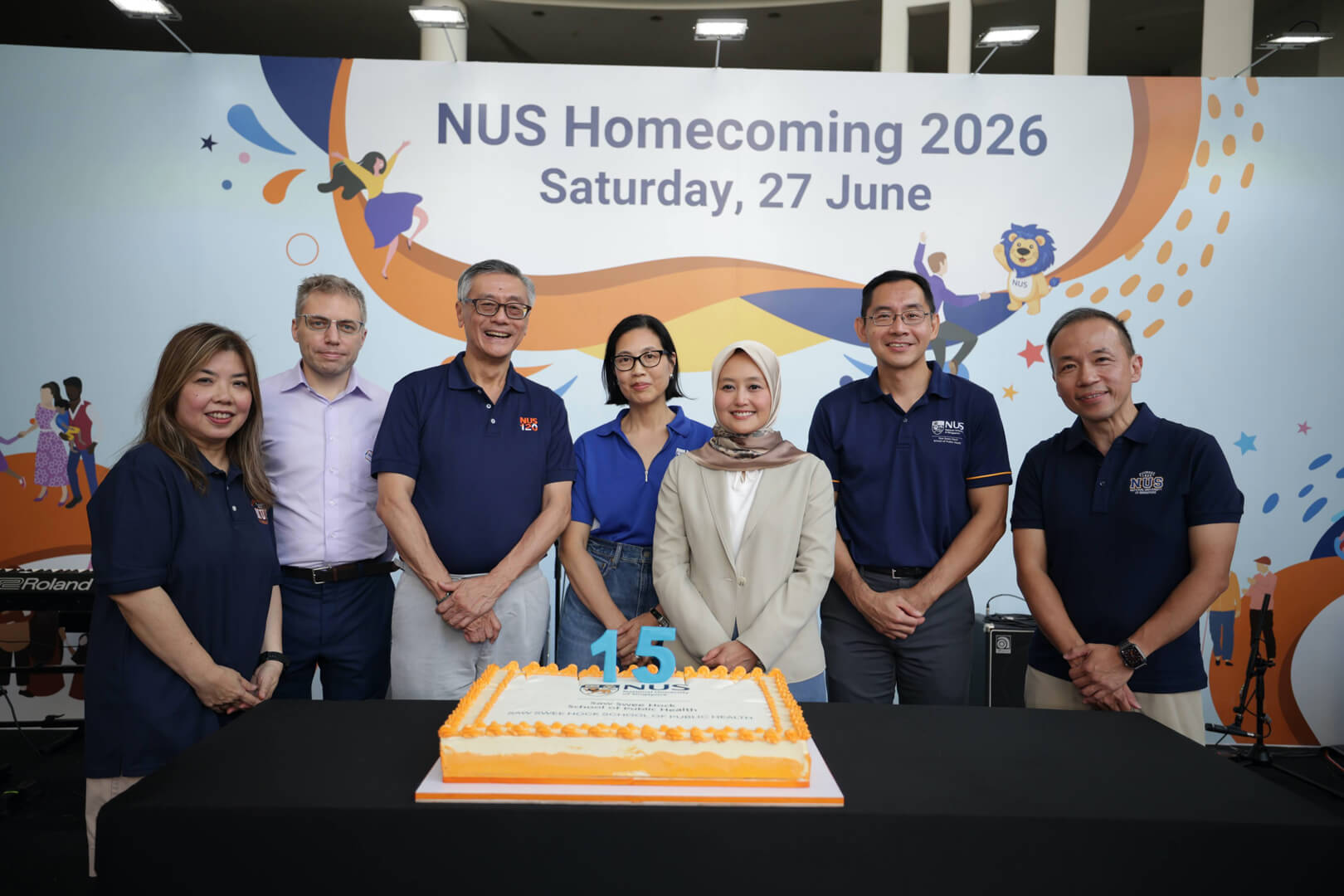
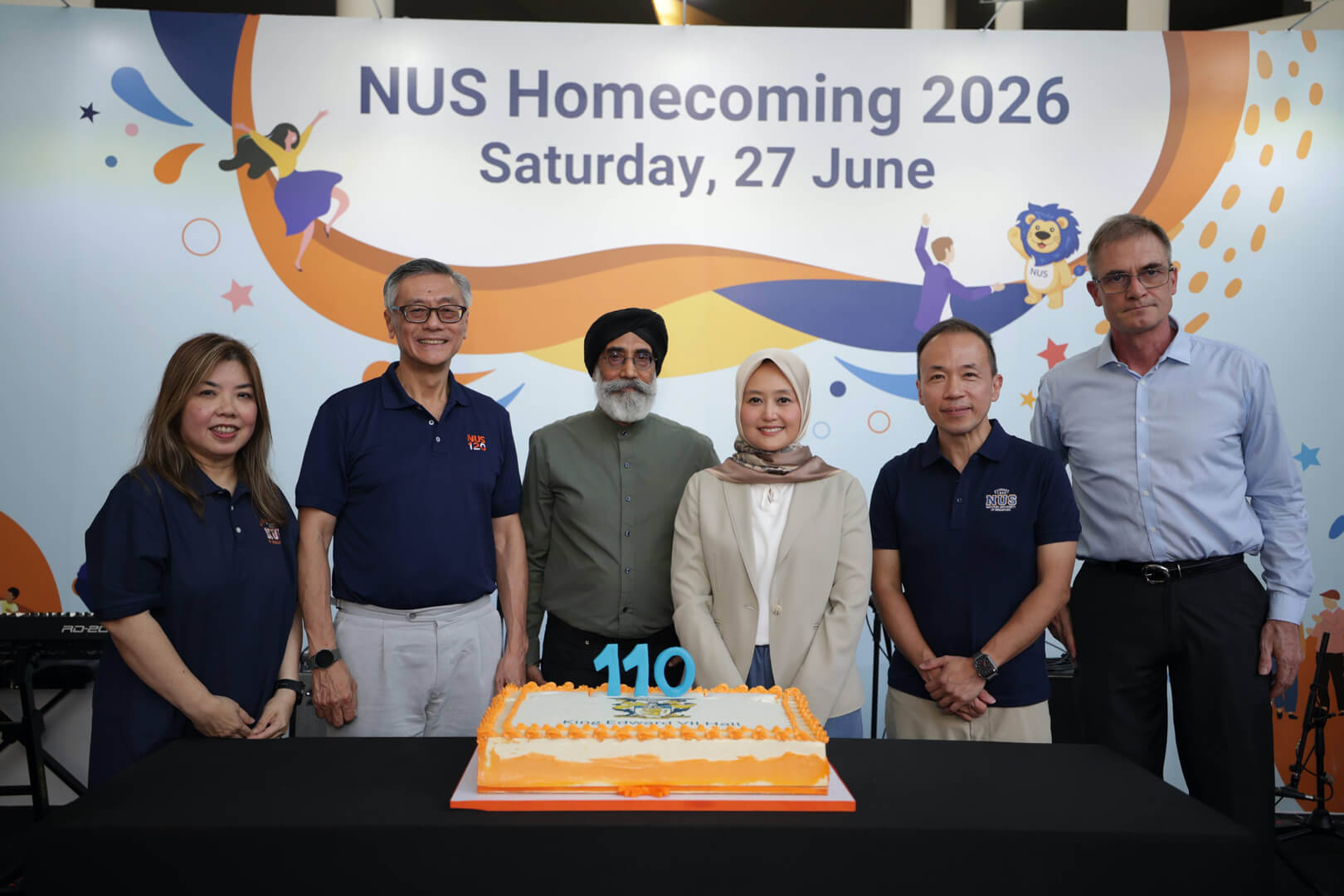
It was also a year of milestones, marked by a cake-cutting ceremony celebrating the 10th anniversary of NUS School of Continuing and Lifelong Education (SCALE), the 15th anniversary of the Saw Swee Hock School of Public Health and the 110th anniversary of King Edward VII Hall.

Together, these moments captured the spirit of Homecoming: a celebration of the communities that make NUS home.

“At a time when so much of our lives are shaped by technology, gatherings like this remind us of the simple value of being together — to catch up, share memories, exchange ideas, and strengthen our sense of community,” noted NUS Provost Professor Aaron Thean in his remarks at the ceremony.

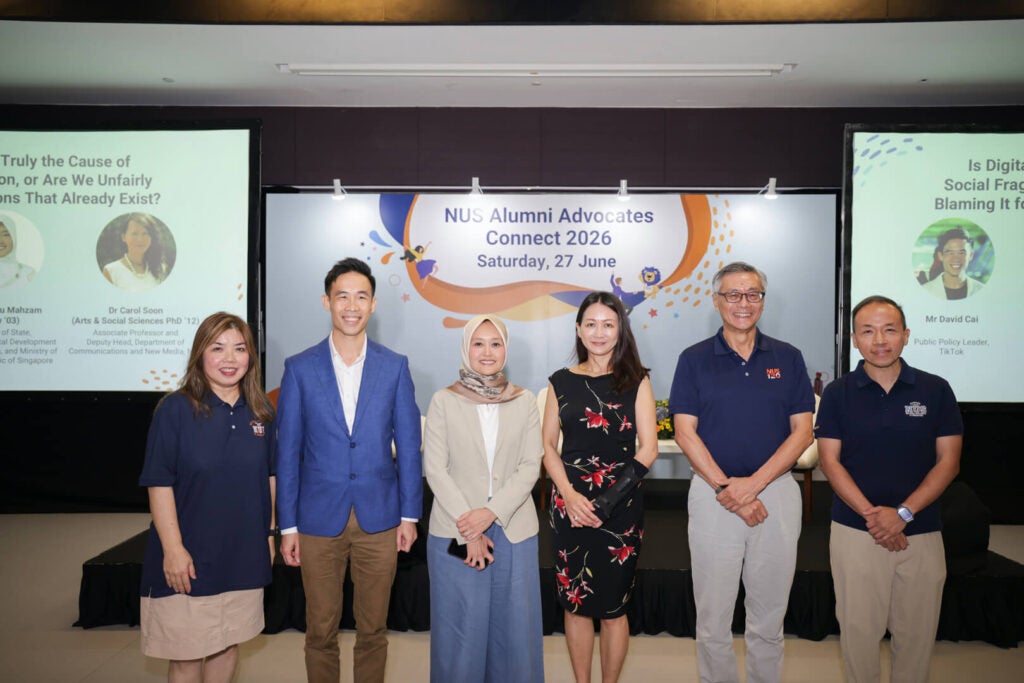
Caption: (From left to right): Ms Ovidia Lim-Rajaram (Political Science and History ’89), NUS Chief Alumni Officer; Mr David Cai, Public Policy Leader at TikTok; Ms Rahayu Mahzam (Law ’03), Minister of State, Ministry of Digital Development and Information; Associate Professor Carol Soon (Arts & Social Sciences PhD ’12), Department of Communications and New Media; Professor Tan Eng Chye (Science ’85), NUS President; and Professor Aaron Thean, NUS Deputy President (Academic Affairs) and Provost, pictured at Alumni Advocates Connect.

DIGITAL CONNECTIONS AND SOCIAL COHESION

The question of what connection means in an increasingly digital world took centre stage at the concurrent Alumni Advocates Connect (AAC) session, where speakers examined whether digitalisation is bringing society together or making its divides harder to ignore.

“We are living in an era of unprecedented transformation,” reflected NUS President Professor Tan Eng Chye (Science ’85) in his opening remarks. “When harnessed wisely, technology magnifies the capacities of the human mind and allows it to do what machines cannot … much like the enduring connections that our alumni continue to nurture across the globe.”

The closed-door panel featured Ms Rahayu Mahzam (Law ’03), Minister of State, Ministry of Digital Development and Information, and Mr David Cai, Public Policy Leader at TikTok, and was moderated by Associate Professor Carol Soon (Arts & Social Sciences PhD ’12) from the Department of Communications and New Media.

Speakers noted that while digital platforms have expanded how people connect, they have also accelerated the spread of social fault lines and inequalities.

For policymakers, the task is therefore a careful balancing act: closing digital divides, building digital literacy and keeping online spaces safe, without stifling innovation.

“We have a ‘tough love’ relationship with tech companies, for instance,” Ms Rahayu said, referring to the Government’s practical and collaborative approach. “We know that they may know more about the technology, but they have a responsibility to use their technology for good, to achieve safety by design and develop products that help people.”

This makes it important, Mr Cai said, “to ensure psychological safety online”. For platforms, this means continuing to invest in content moderation, fraud and scam prevention, and technology that can remove harmful content at scale, guided by clear community standards.

The discussion underscored the consensus that social cohesion must be built with intention: through policy, platform design, public education, and the everyday care with which people speak, listen and engage.

“It’s always good to come back and connect with old friends and the school,” shared Mr Steven Yeo (Business ’04), President of the NUS Business School Alumni Association. “This year’s AAC session gave me so much to take away. It sparked great reflection on digitalisation — and reminded us how important it is to design inclusively, so that seniors and lower-income households are brought into the digital conversation, not left behind.”

His reflections captured the spirit of Homecoming 2026 — a gathering that brought alumni together not only to reconnect, but also to reflect on the evolving ways in which such connections are formed and sustained.