AlumNUS

Uniting Form, Function and Feeling

Celebrated jewellery designer Mr Afzal Imram (Design and Environment ’14) reflects on success and the work ethic that has guided his rise to the top.
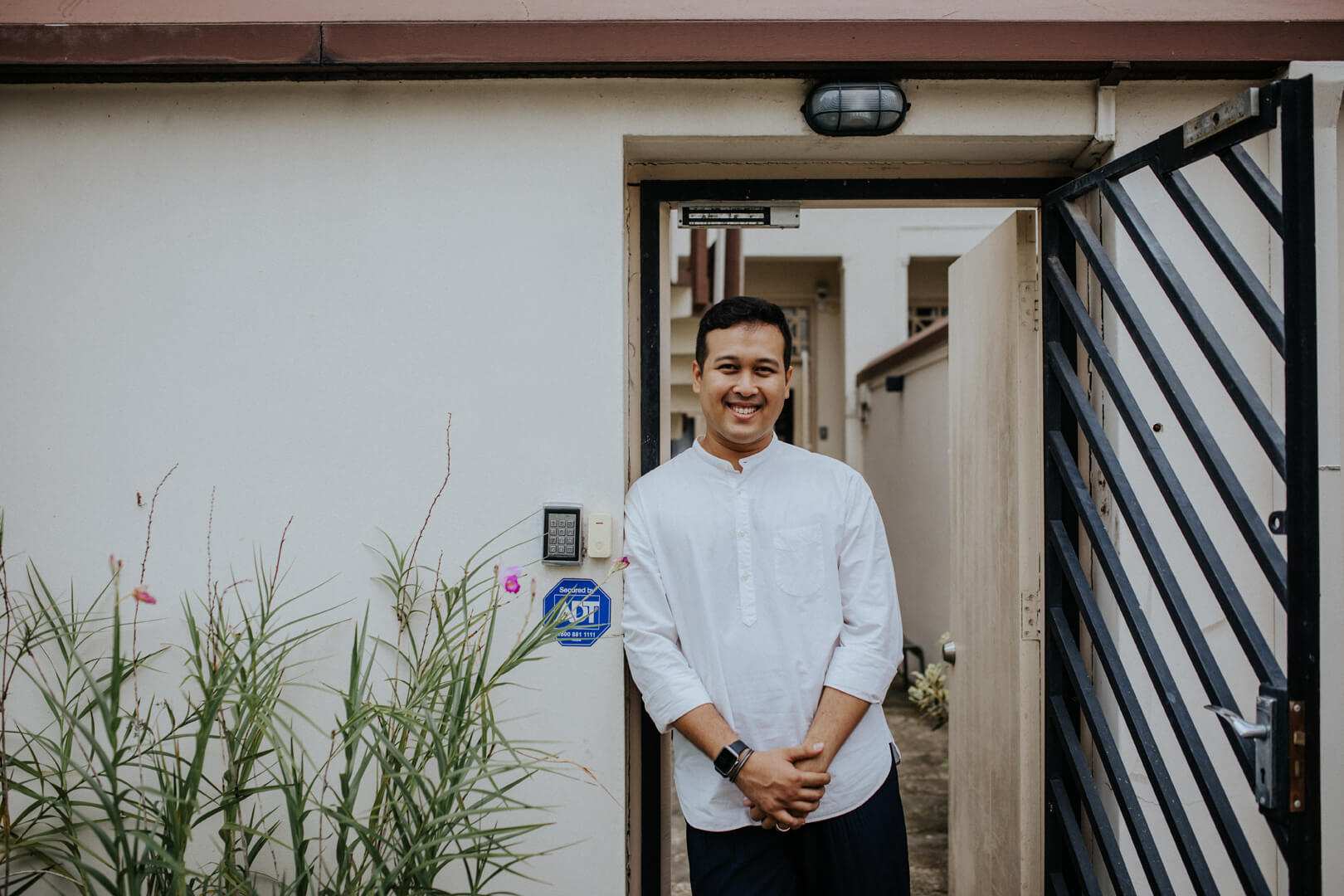

WHO HE IS: Mr Afzal Imram, co-founder of State Property — a Singaporean jewellery label that blends architectural minimalism with emotional storytelling — is an industrial designer trained at the National University of Singapore. Under his leadership, the brand has broken ground globally, embraced by a number of trendsetters and fashion icons.

When Mr Afzal Imram (Design and Environment ’14) first enrolled in Industrial Design at NUS, jewellery was far from his radar. “My passion for it was both a surprise and evolution,” he said. “Industrial Design trained me to think about form and function — but what really struck a chord was understanding how people relate to objects. Jewellery, in that sense, felt like a natural extension of that learning. It lives on the body. It carries meaning.”

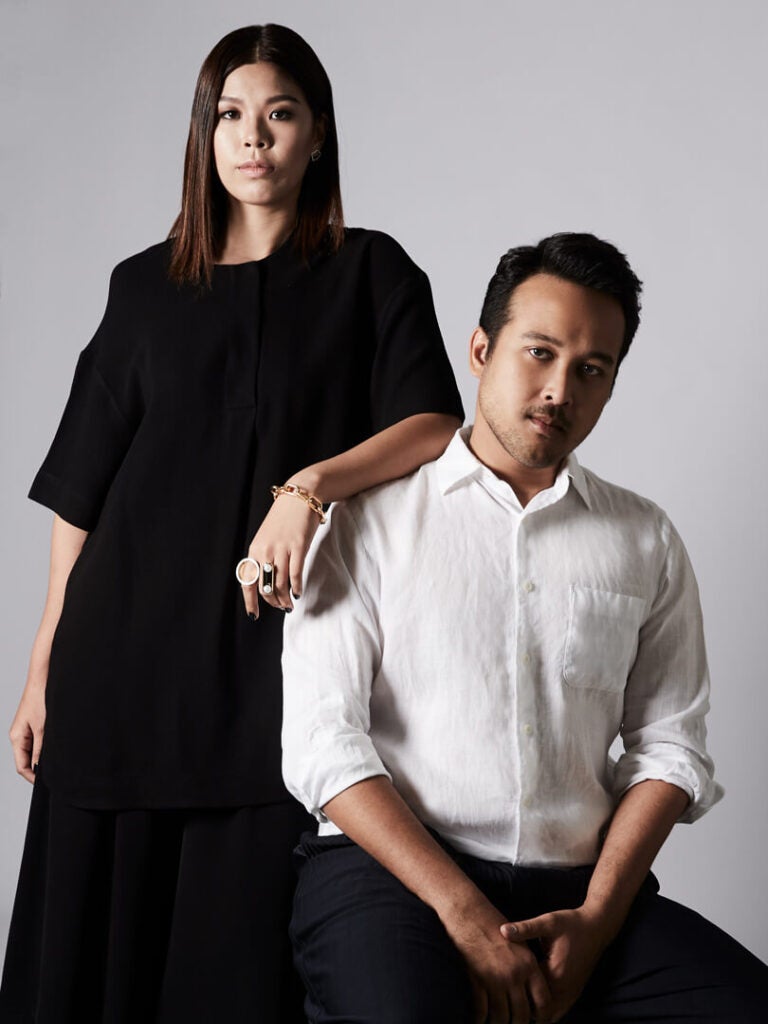
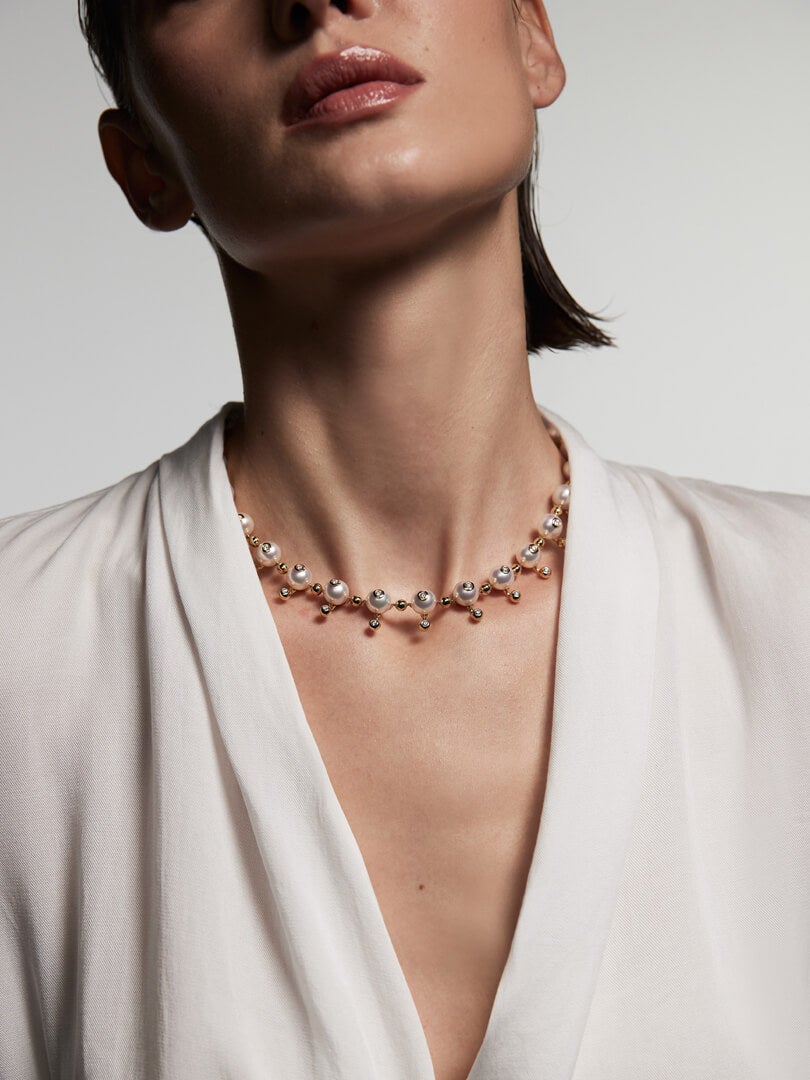
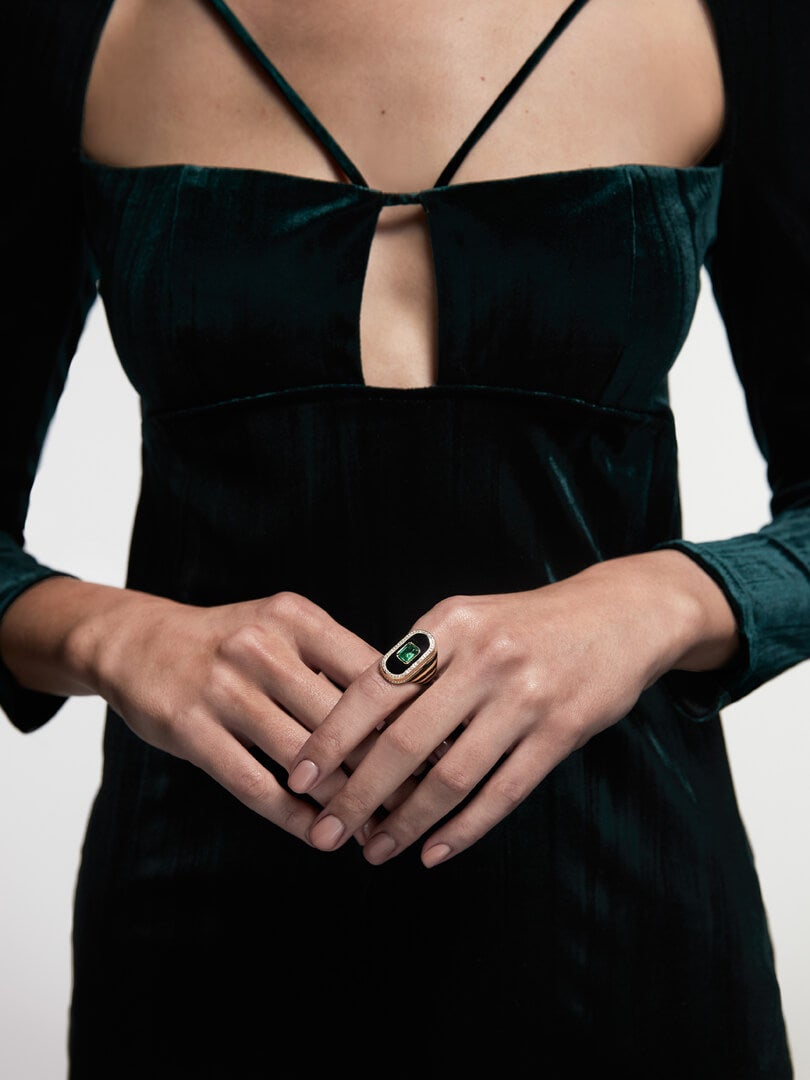
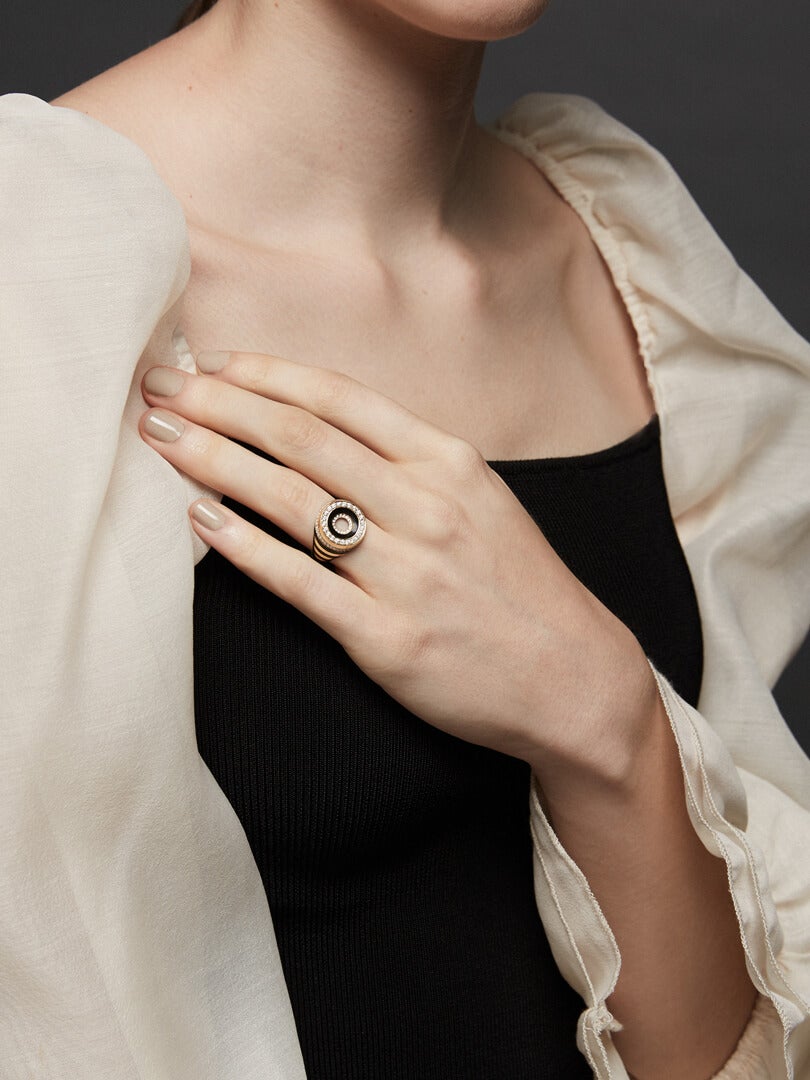
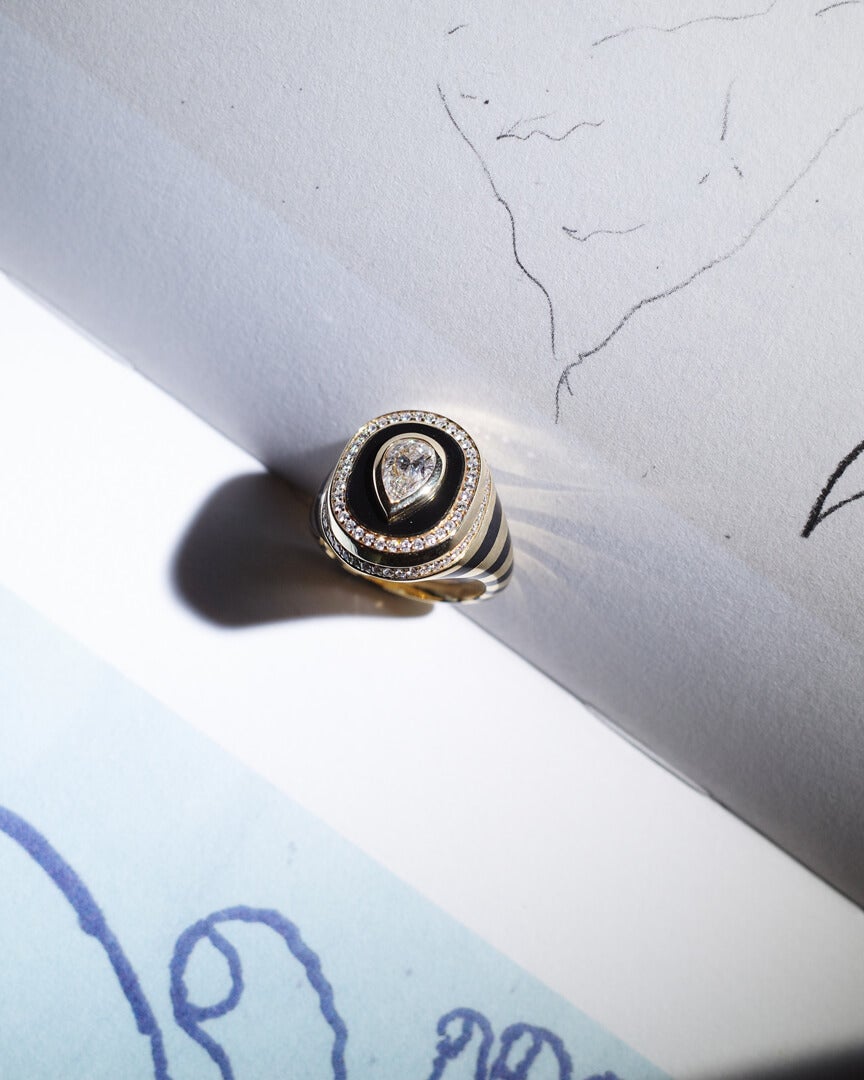
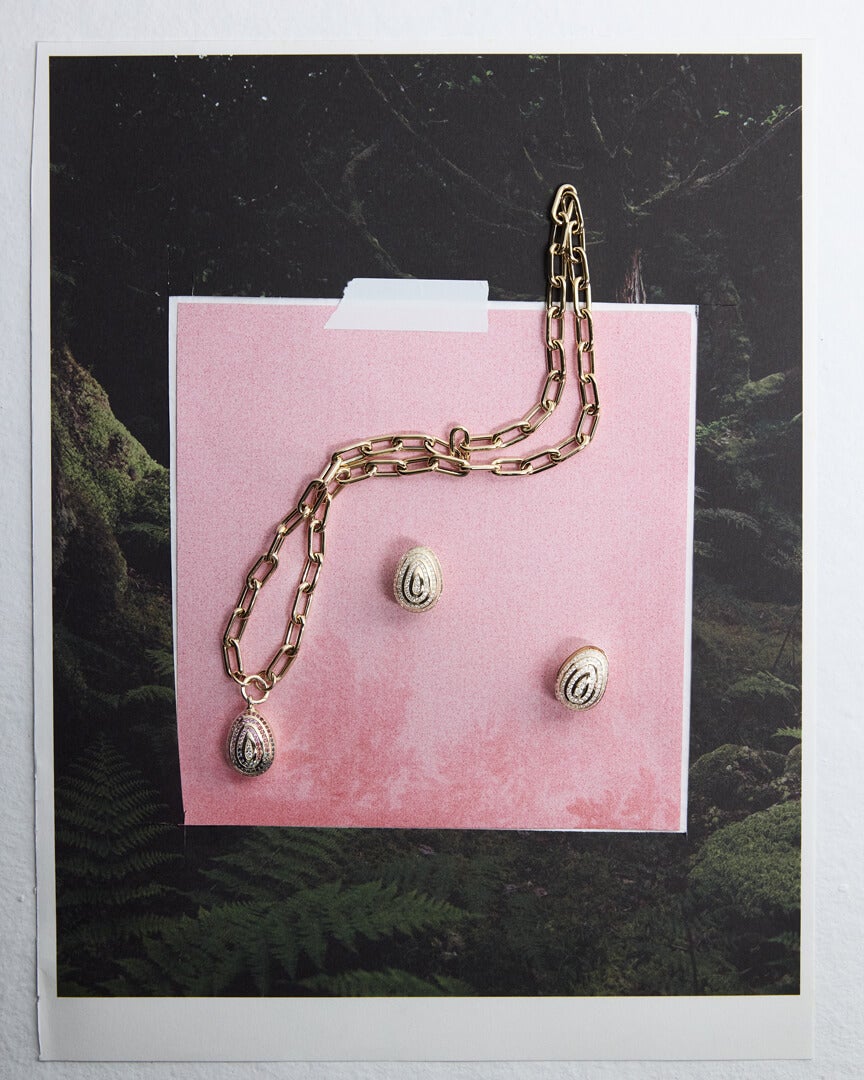
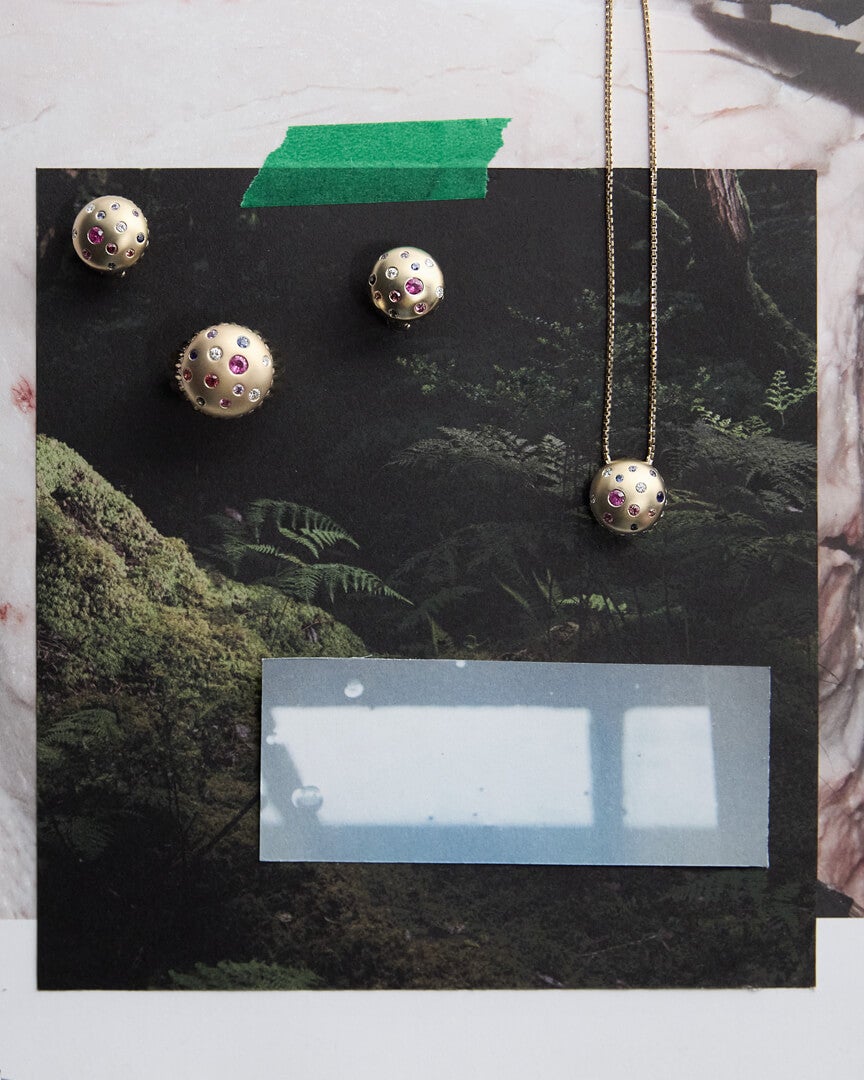
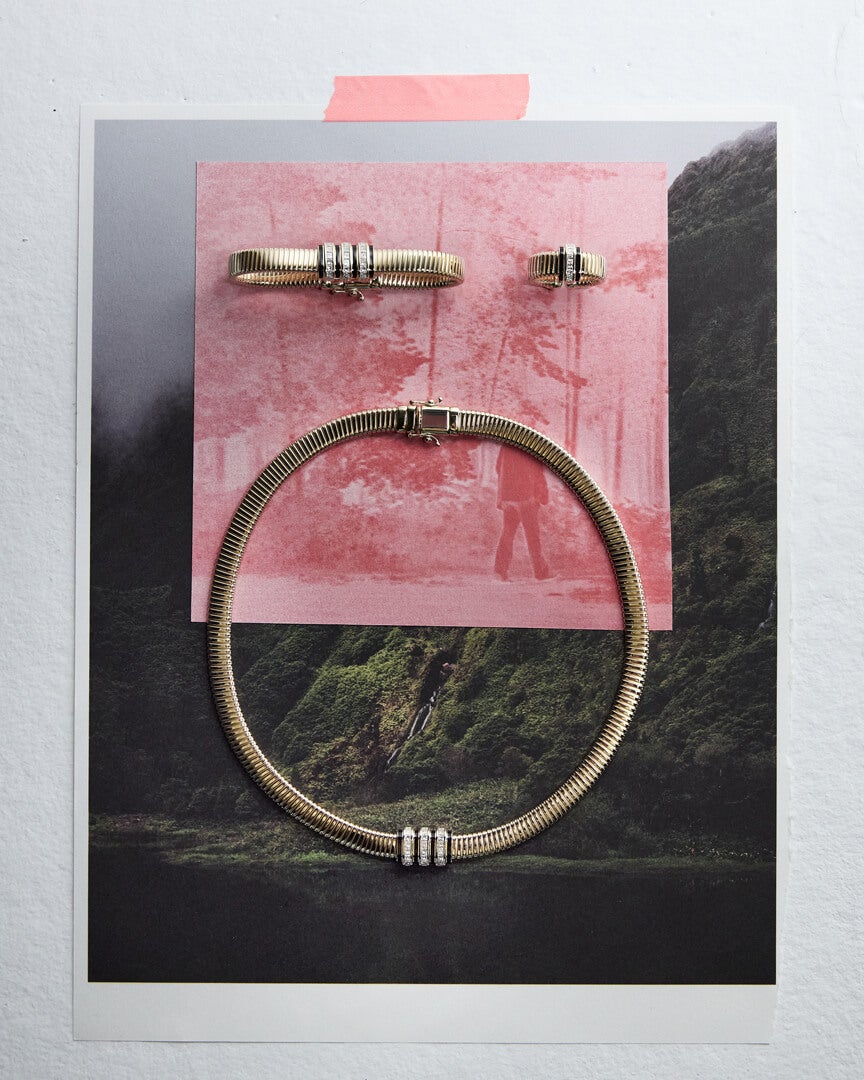
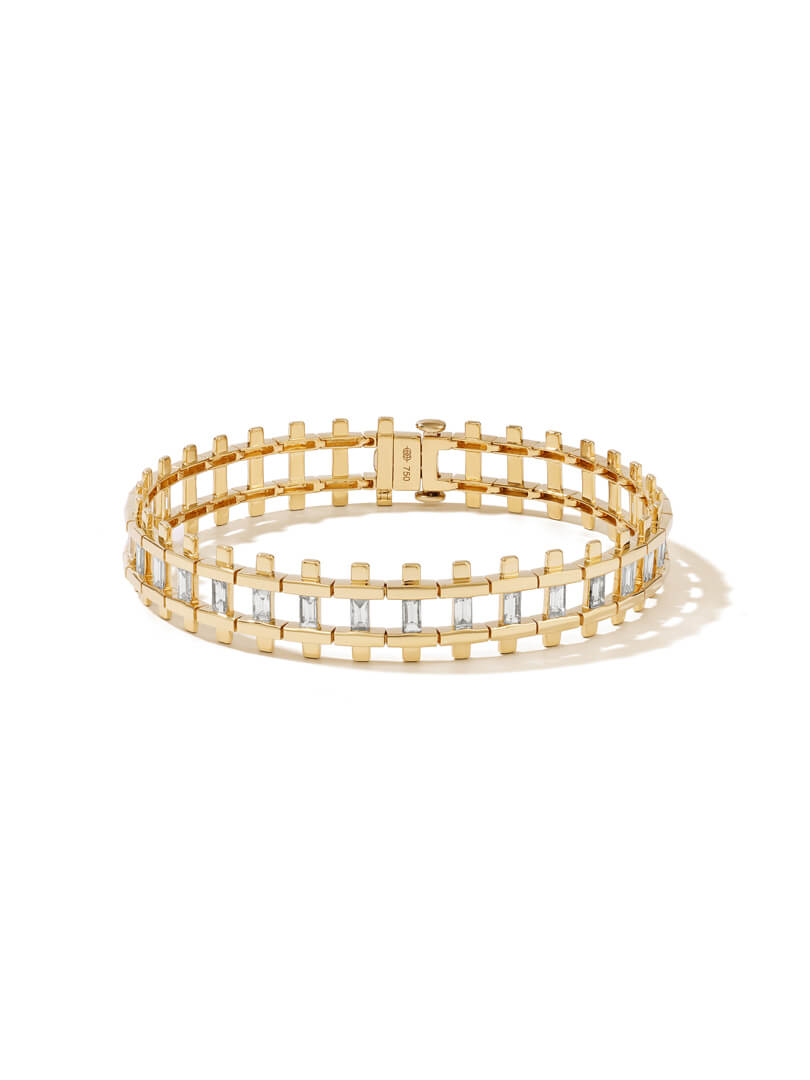
That understanding has become the foundation of State Property, the fine jewellery label he co-founded with his wife and business partner, Ms Lin Ruiyin, in 2015. Their pieces — sleek, sculptural and often architectural — have made their way to international showcases in Milan and Paris, and even into the collections of Michelle Obama, Taylor Swift, Nicole Kidman and Rihanna. Prices start from S$850 for a sapphire bracelet and can go up to an eye-watering S$32,000 for a pearl necklace. “Convincing people that a Singaporean fine jewellery brand could be ‘serious’ and global was tough in the beginning,” recalled Mr Afzal, 35. “Every small win meant the world — our first international sale, or spotting someone on the street wearing something we made.”

Mr Afzal (right) with his wife and business partner Ms Lin Ruiyin

He described their early years as “building while learning”. “We started State Property when the opportunity cost was still low — before life got too serious,” he said with a laugh. “We didn’t know what kind of business we wanted to do initially, but we both knew we wanted to make a product that would endure. Fine jewellery had that permanence — a quiet strength.” The pair met through mutual friends, when Ms Lin was studying Contemporary Jewellery at Central Saint Martins in London. They began helping each other with coursework and realised their approaches to design were complementary — his training honed his focus on structure and usability, while she had a natural flair for ornamentation.

Running a business with one’s partner, he admitted, is equal parts chaos and clarity. “The lines between work and life blur, but that’s not always a bad thing,” he shared. “Of course, when we’re off work, we try to switch off and just be husband and wife, and parents to our four-year-old.”

GUIDING LESSONS

Although it has been more than a decade since he graduated, Mr Afzal still looks back fondly at his time in the University, especially the late nights spent in the studio. “Some professors taught me the value of restraint — that design isn’t about adding, but about knowing what to leave out,” he recounted. “That lesson is still with me.”

His approach to jewellery echoes that discipline. “We see jewellery as vessels,” he explained. “We design in layers — for others to see, for the wearer to appreciate, and for the owner to discover. The way we name pieces, the stories and images we build around them — all these are ways for people to start their own relationship with a piece.”

That philosophy came alive in one of State Property’s earliest designs, the Holmes Earrings, which reimagines the space around the ear. “It’s essentially a frame that highlights where earrings usually sit,” he says. “That whole collection, Substate, was about framing the body — and celebrating the wearer as the gem.”

When asked where inspiration strikes, Mr Afzal points to literature, architecture and even conversations. “I know an idea is worth chasing when it lingers — when I keep returning to it days or weeks later, and it still excites me.” But he stresses that research is still a must. “The idea has to have enough meat to carry a whole collection.”

A BALANCING ACT

Mr Afzal is also quick to point out that creativity and commerce are not opposing forces. “Running a label means having a need for constant dialogue between business and design,” he said. “We didn’t know how to run one when we started, which gave us freedom to shape it our way.”

The label’s name, State Property, captures that same tension. “We wanted something permanent, something that observed a changing world,” he said. “There’s irony in calling something so intimate ‘State Property’ — it balances permanence and change, history and modernity. That duality mirrors our design philosophy.”

Looking ahead, Mr Afzal is optimistic about what’s next — both for his label and for contemporary jewellery as a whole. “I’m excited about warming people up to independent designer fine jewellery and looking beyond the big houses or their family jeweller,” he said. “There’s so much exceptional design out there — and I’m glad that we can show that Singapore’s design perspective belongs in the global conversation.”

THINGS TO CONSIDER

Looking to treat yourself to a piece of fine jewellery? Here are Mr Afzal’s tips for novice buyers:

  • “Start with how it makes you feel rather than what it’s worth.”
  • “Later, look at details like the weight, the finish and how it sits on your body.”
  • “See if it’s something that you think you’ll reach for often. Jewellery should be worn.”