WHO HE IS: Formerly a researcher on alphaviruses and malaria parasites, Dr Anthony Torres-Ruesta (Medicine PhD ‘22) has pivoted to the realm of epidemic and pandemic preparedness. He is currently based in Helsinki, Finland, where he is a Project Specialist at the Finnish Institute for Health and Welfare (THL, its acronym in Finnish).
Had COVID-19 never happened, the career of Dr Anthony Torres-Ruesta might have taken a very different turn. Prior to the pandemic, he was an A*STAR scholar from Peru, who had enrolled in the National University of Singapore (NUS) in 2018 for his doctoral studies under Adjunct Associate Professor Lisa Ng (Medicine PhD ’02), a doyen of the immunology world. “I was studying how the immune system responds to co-infections by malaria parasites and alphaviruses,” explained Dr Torres-Ruesta. Growing up in the tropics, he was fascinated by how mosquito-borne illnesses, such as chikungunya, dengue and malaria, affected different populations.
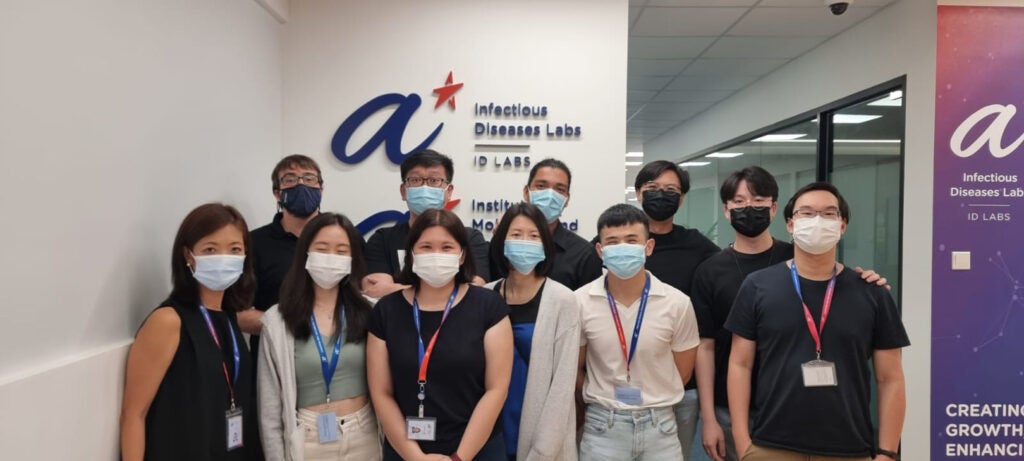
While in Singapore, Dr Torres-Ruesta was a doctoral researcher and postdoctoral scientist at A*STAR.
When the pandemic emerged, he was roped in to better understand the virus—and later, the vaccines. “Early vaccine trials in the U.S. and Europe mainly involved White/Caucasian participants, so we wanted to know how they would perform in Asian populations, and key groups like the elderly and the immunocompromised,” shared the 32-year-old. Shortly after, Mpox also entered the picture, adding another layer to an already heavy workload.
The experience of watching a public health system respond to a once-in-a-lifetime pandemic sparked his interest to step out of the lab and into the realm of public health. “Being from Peru, I watched with interest how things were unfolding in South America. I think many of the countries there were not prepared to face a pandemic,” he noted.
Part of this was down to structural inequities, such as the distribution of vaccines between richer and poorer nations. According to some estimates, unequal access to vaccines led to one preventable death every 24 seconds in 2021. “As I read more, I felt we, as a global community, could do better,” he shared. “It wasn’t just weak health systems. Also at play were issues of governance, policies and the lack of a coordinated global response.”
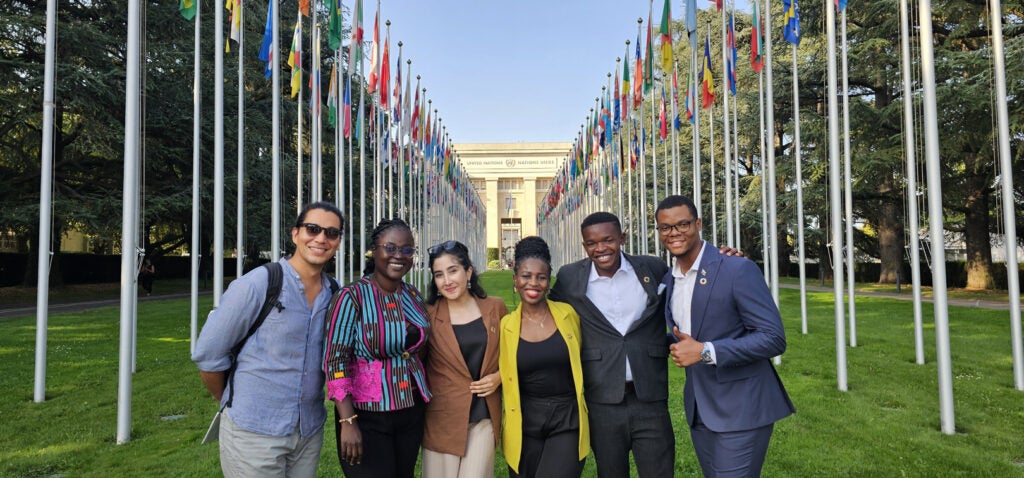
Dr Torres-Ruesta (left) with fellow participants of the United Nations Youth for Biosecurity Fellowship programme
A SEAT AT THE TABLE
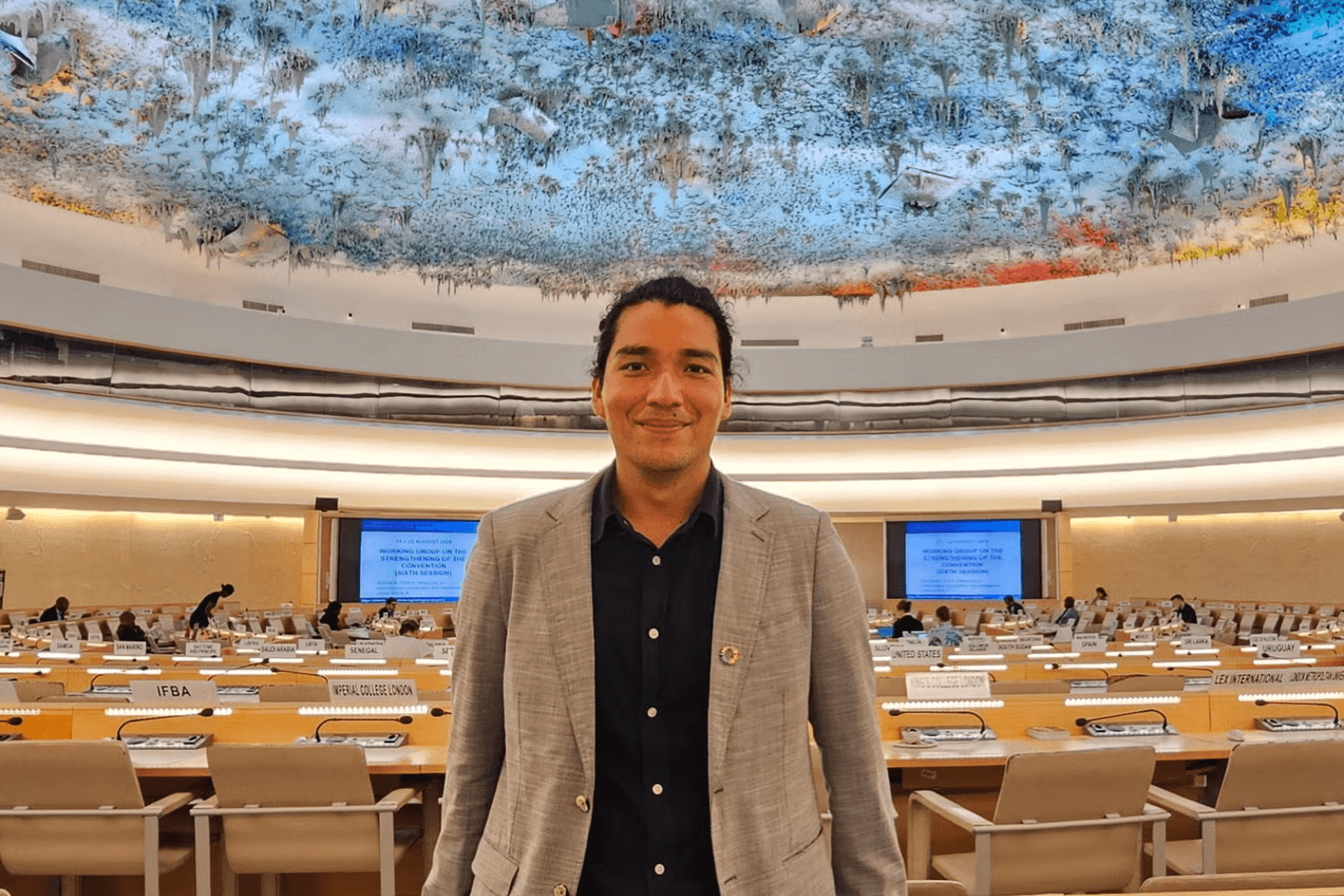
The drive to improve the state of global health security drew Dr Torres-Ruesta to spaces where science meets governance, and eventually, to his selection for the United Nations Youth for Biosecurity Fellowship this past summer. The three-month fellowship, organised by the United Nations Office for Disarmament Affairs and held in Geneva, is catered to science leaders from the Global South, where the development of biosecurity greatly lags behind the developed world.
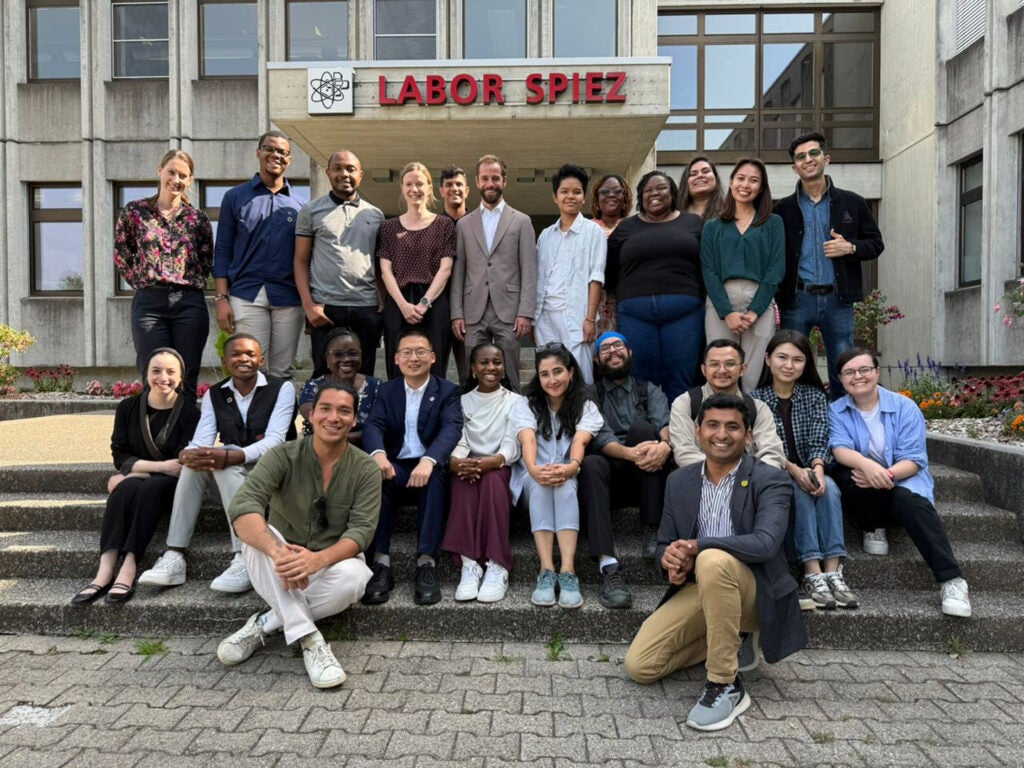
Participants benefit from a deep dive into global biosecurity measures, which tackle the spread of biological threats, both unintentional and intentional. “We studied the frameworks in place to contain these threats, ranging from viruses and bacteria to potential acts of bioterrorism,” he explained. “There were also opportunities to meet leaders in biosecurity from around the world and visit top research facilities, such as the Spiez Laboratory, which serves as a high-security repository supporting global pathogen sharing and data analysis.”
Dr Torres-Ruesta (front row in green shirt), visiting the Spiez Laboratory as part of the United Nations Youth for Biosecurity Fellowship
These experiences also highlighted the governance gaps that currently exist in the assessment and response to biological events of ambiguous origin, said Dr Torres-Ruesta. “At the international level, no clear agreed-upon mechanisms exist to reliably distinguish whether such events are natural, accidental or intentional.” This played out during COVID-19, with misinformation about the source of the virus spreading rapidly. Proponents of the ‘lab leak’ theory hold that the virus was spread intentionally, while others believe it was spread from bats to humans. To date, there has been no definite proof on the origin of the virus, with WHO Director-General Dr Tedros Adhanom Ghebreyesus saying last July that, “As things stand, all hypotheses must remain on the table, including zoonotic spillover and lab leak.”
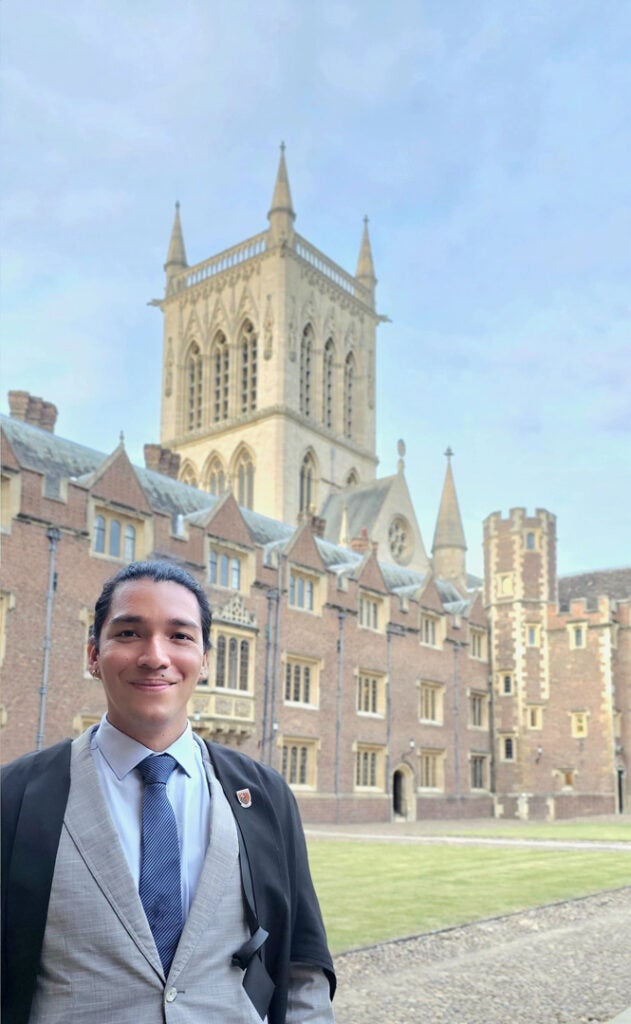
Dr Torres-Ruesta at the University of Cambridge
WHERE WE GO FROM HERE
In a nod to the importance of global collaboration when dealing with crises like pandemics, participants were also trained in the art of diplomacy — an aspect of the programme that Dr Torres-Ruesta especially enjoyed. “It was relevant given the current geopolitical environment, where trust between countries is often fragile,” he said. “During the fellowship, we encountered scientists from the United States, China and Russia. Science has the potential to play a bridging role between countries — even those that may not be on good terms — because it is universal. After all, we all go by the scientific method.”
Dr Torres-Ruesta is currently working on a project with THL researchers, monitoring severe respiratory infections. By linking hospital and laboratory records within the country, his team hopes to detect unusual spikes in respiratory illnesses, both known and unknown, early. Next year, he plans to return to the University of Cambridge—where he recently completed a master’s in public health—to conduct research on epidemic and pandemic intelligence systems.
This integration of science, governance and policy will likely shape his career for years to come. To him, it’s a task that is both urgent and unfinished. “What we do today will ultimately shape how well we react when the next crisis comes,” he said.
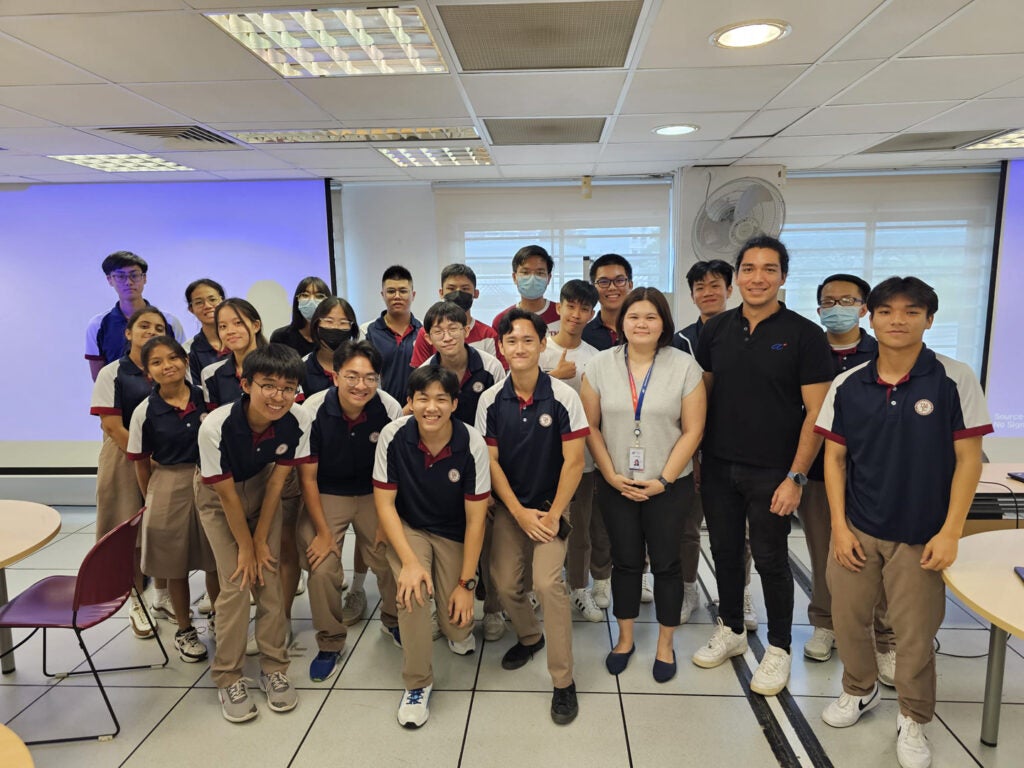
BEYOND RESEARCH: While in Singapore, Dr Torres-Ruesta joined the Ministry of Education’s ‘Scientist-in-Schools’ programme, where he spoke to junior college students about careers in STEM fields. He is pictured here with Dr Fong Siew Wai and students from Tampines Meridian Junior College