AlumNUS

A New Face for an Old Trade

Ms Brillyn Toh (Business ’11) of junk traders-turned-second-hand furniture darlings Hock Siong & Co. is breathing new life into a family legacy.
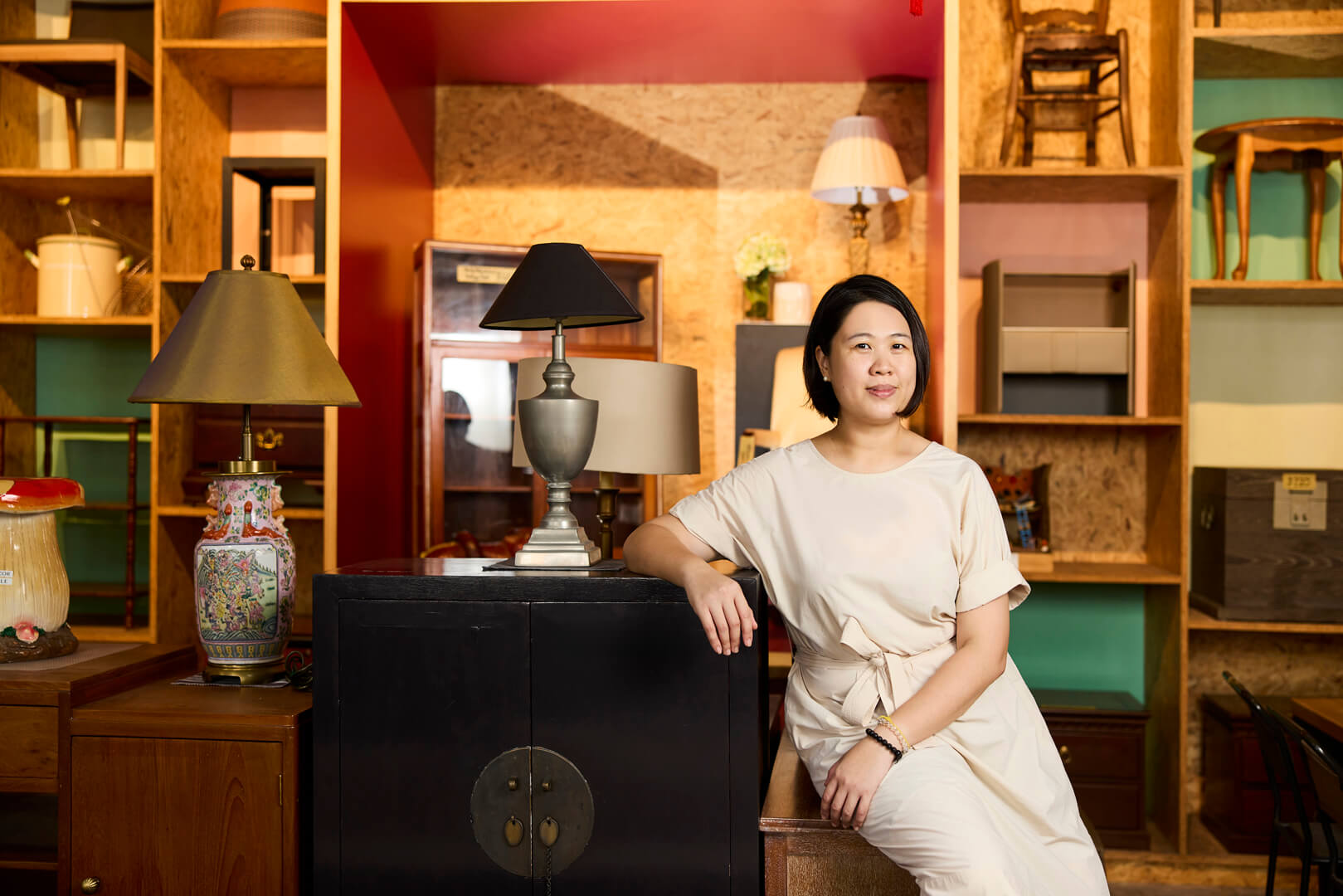

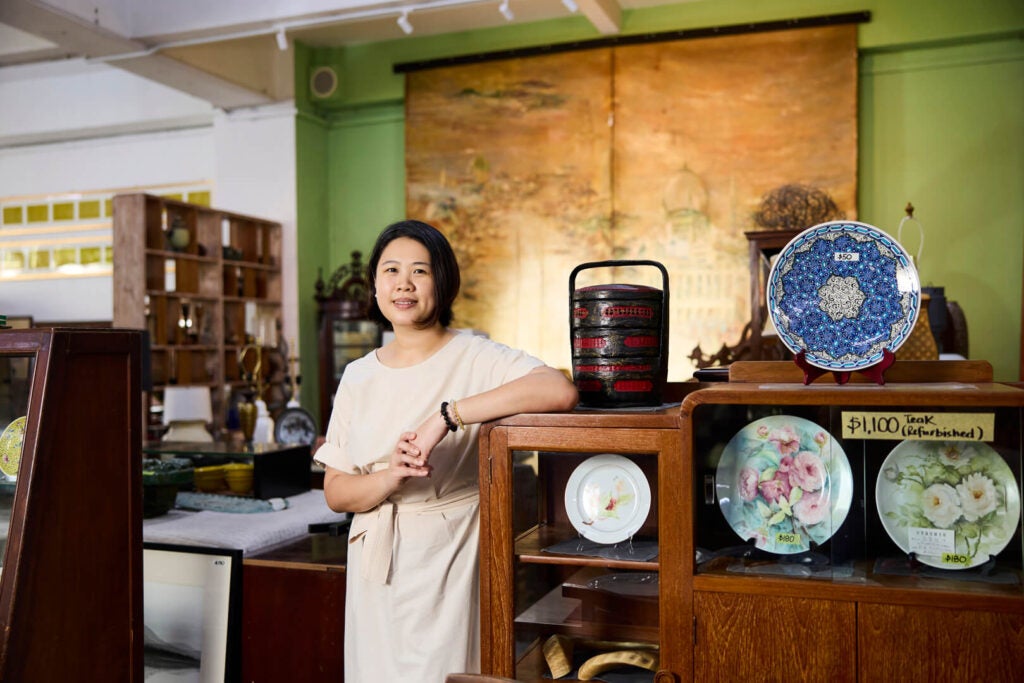
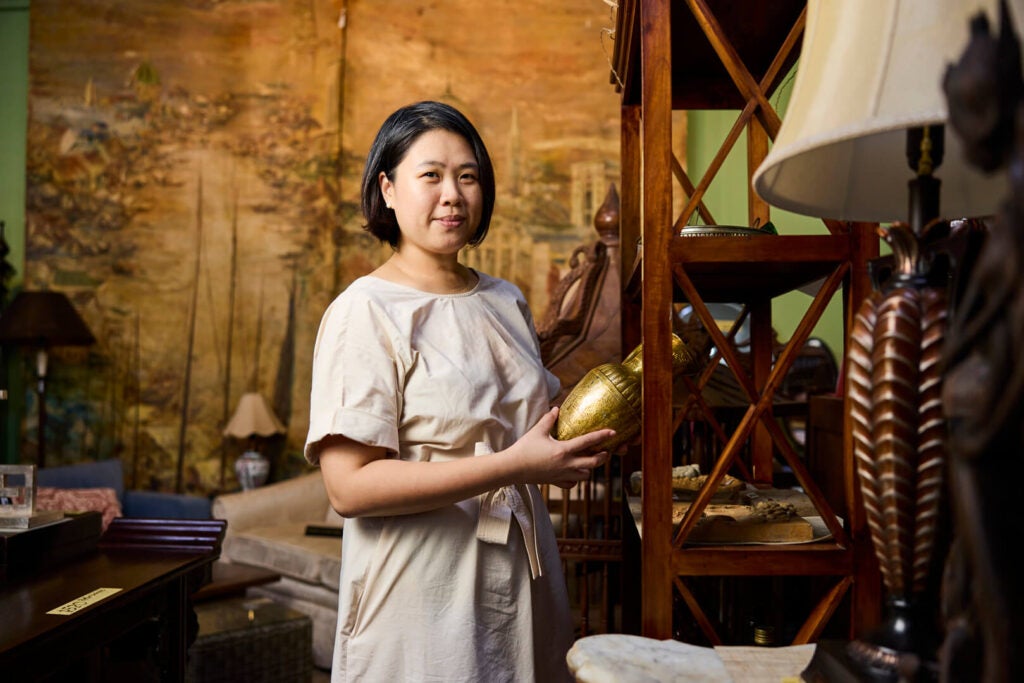
A sprawling warehouse space tucked away in a nondescript lane off MacPherson Road is where the savvy crowd in Singapore snag high-end designer furniture at bargain prices; where antique lovers scour for unexpected vintage finds; and where intrepid shoppers can find an eclectic collection of curios – ranging from huge framed advertising posters from the early 1900s to what looked like a full-size replica of a Chinese Han dynasty-era jade burial suit.

Hock Siong & Co. is certainly not your average waste dealer. With a stylishly decorated showroom decked with pieces that put design and quality front and centre, this second-hand furniture retail space has been featured in many a glossy magazine and hip website over the past decade or so. However, it certainly didn’t start out as a ‘sexy’ trade — and certainly not one that might attract a young graduate.

Thus, when Ms Brillyn Toh (Business ’11) formally joined Hock Siong fourteen years ago, it was a move that was met with a few raised eyebrows. “My father’s friends would say to me, ‘Eh, uni grad, go get an office job la!’” she recalled with a laugh. But for Ms Toh, the decision was deeply personal.

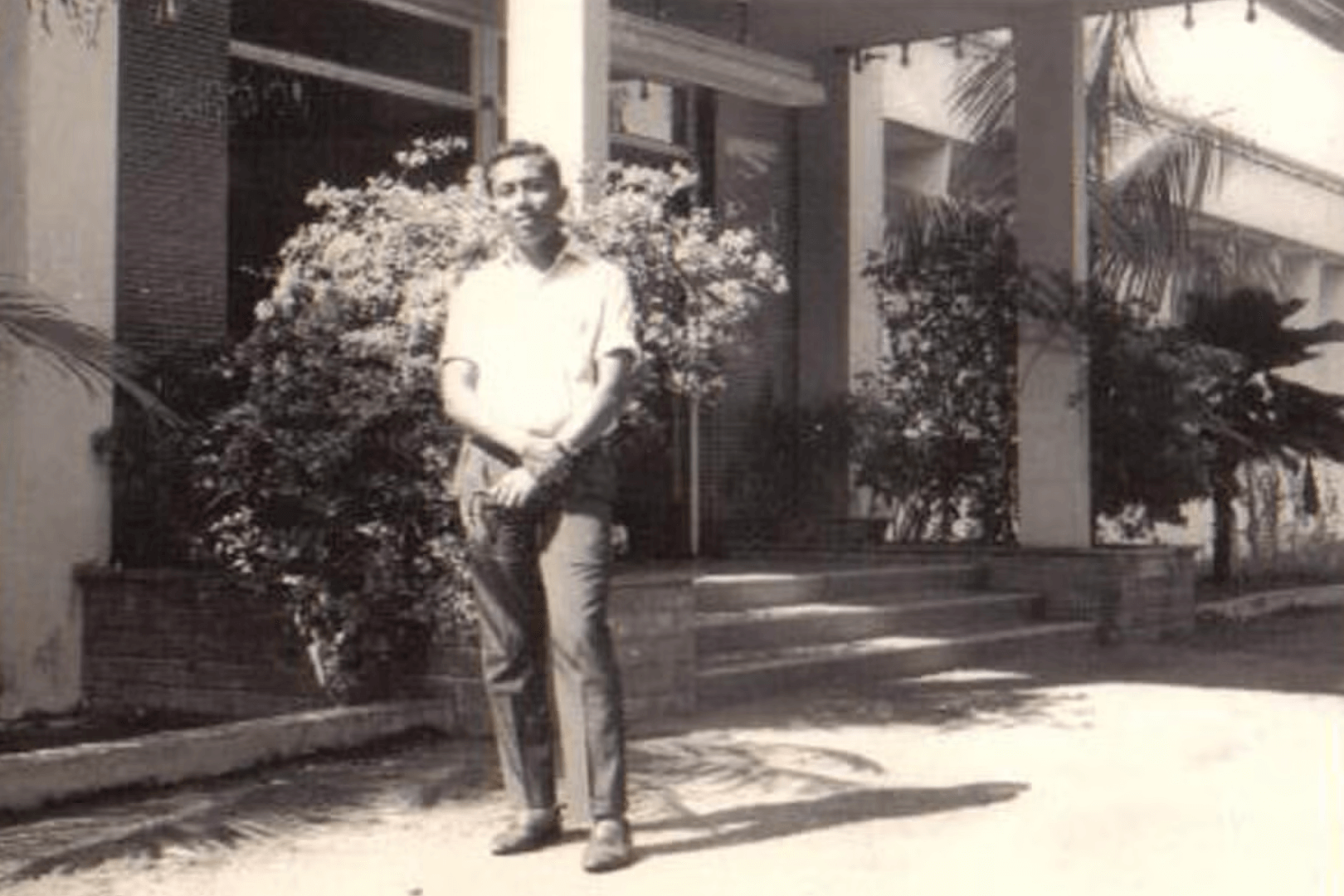
Her father, Mr Toh Chin Siong, a Chinese-educated entrepreneur, had built up the karang guni (rag-and-bone) trading business to provide for their family. The eldest of four children, Ms Toh witnessed the hardship he went through – from arduously collecting old newspapers, clothing and electrical appliances from residences, to struggling to negotiate in English after he switched to procuring furniture and equipment from hotels during the 1998 Asian Financial Crisis. Acutely aware that it was with this hard-earned “karang guni money” that her father brought them up, Ms Toh was determined to give back by joining the family business.

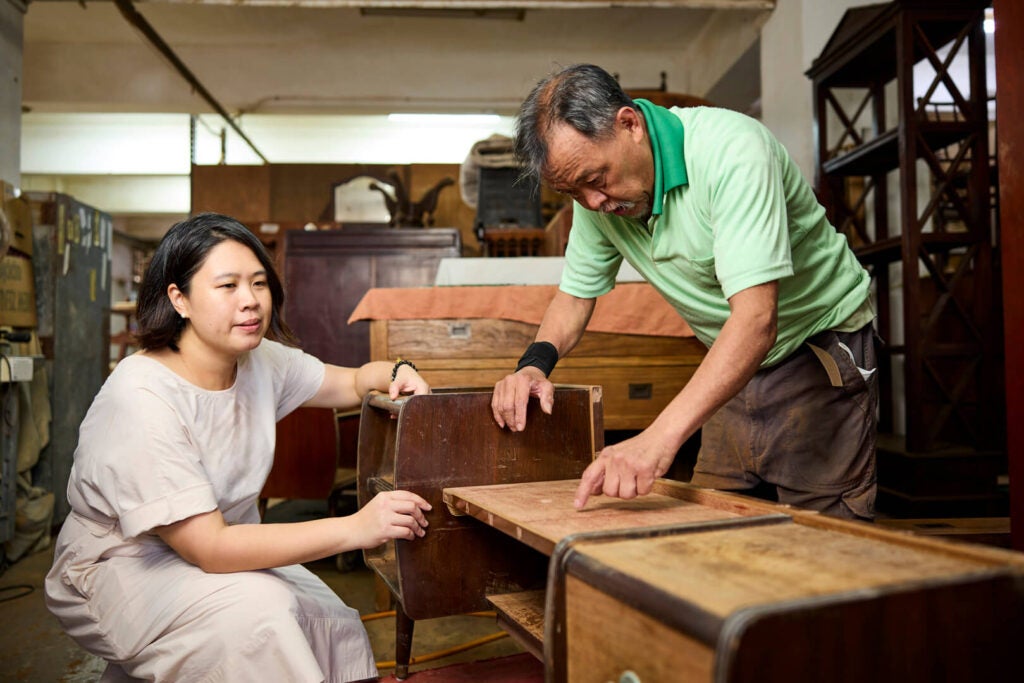
The challenges were many at the start. The rise of cheap, mass-produced furniture from China threatened their niche. Few would spend money on old things when they could get a brand-new piece cheaply. A devastating warehouse fire in 2012 forced a painful but necessary pivot for them. “We learned from the incident to streamline, to stay lean, and to curate and be selective about what we buy,” she recalls. This isn’t just about aesthetics or quality. “For example, we might forgo pieces that are beautiful but are too huge to fit into lifts, because they would be difficult to sell,” Ms Toh explains. “We are constrained by space and manpower.”

Thankfully, her years as a marketing major paid off. “As a student, I’d look at case studies of multinational corporations and wonder if these could even be applied to a small family business such as ours,” she admitted. Yet, the lessons stuck. The famed ‘4 Ps’ of Product, Price, Place, Promotion that she learned at NUS became her playbook when she was spearheading the company’s first foray into social media. “Facebook marketing was free in the early 2010s, so I thought, ‘Why not?’” she said. What began as casual posts showcasing quirky finds and upcycled furniture grew into a thriving online community. “We never paid for promotions – our community is organically built.” Today, Hock Siong’s Facebook and Instagram accounts each have over 50,000 followers.

THE CONFIDENCE TO THINK BIG

Ms Toh is currently the Managing Partner of Hock Siong, handling myriad responsibilities from project tenders with high-profile clients spanning international luxury hotel groups to commercial offices, to setting procurement directions as the company’s buyer. She also oversees staff from departments across sales to carpentry.  She remembers the turning point for the company, when they won the tender to take over the furniture and fixtures of a world-renowned luxury hotel in 2017. “We always think of ourselves as a small business, and to be approaching an international company was very daunting to us,” she recalls, recounting how she helped her father with the proposals. “My father’s resilience set the groundwork, but NUS prepared me for the negotiations,” she said. While pitching for the project, she kept a holistic view of Hock Siong’s interests in fierce focus: “I had to consider what we could sell through our B2B arm; how long the B2C items might take to sell; and how the project would bring value to us not just in terms of profits but also portfolio-building and business development.“ The project paid off not just in terms of revenue, but also cemented Hock Siong’s reputation as a purveyor of high-quality finds and expanded its clientele both on the trade and consumer side.

EMBRACING CHANGE

Ms Toh’s time at NUS brought her more than business smarts. A semester abroad in Manchester, England, opened her eyes to global perspectives, inspiring her to later attend summer school at New York’s Parsons School of Design. Those experiences not only taught her to think bigger and deeper, but also taught her to embrace change – something that is reinforced through her day-to-day work at Hock Siong. “The true ‘hidden treasures’ I have come across through Hock Siong are the stories behind the furniture pieces,” she shared, recounting stories of businesses going from boom to bust and of families parting ways. “These stories taught me about impermanence. Sometimes, the best thing you can do is let go.”

This ethos extends to her leadership. Balancing familial bonds with professional boundaries is tricky, and conflict is inevitable. However, she navigates it with patience. “The older generation fears the young will ruin the business; the young fear being stifled. You need empathy on both sides.”

Now, Ms Toh faces a new challenge: staying relevant to millennials and Gen Z. With support from a National Heritage Board grant, Hock Siong is currently undergoing a brand refresh, partnering with local creative agency Somewhere Else to reimagine its identity. “We’re looking beyond Singapore: our aspiration is to expand Hock Siong’s reach into Asia.”

Her advice to fellow alumni eyeing family businesses? Respect the past, but don’t be shackled by it. “Entrepreneurs are innovators. Whether it’s through social media, sustainable practices, or just better service, we have to keep evolving.” For Ms Toh, the end-goal goes beyond business targets: “We are a business, but also a community – of both staff and customers,” she declared. “We change not just to better the business, but also to make the lives of those within our community better.”