Since its launch in 2022, over 100 NUS students have participated in Project Iris, a student-led project under the Alice Lee Centre for Nursing Studies that aims to raise awareness of paediatric oncology in Singapore. Named after the iris flower, a symbol of hope and courage, the project encourages nursing students to step beyond the classroom and into the lives of childhood cancer patients.
To learn more, The AlumNUS sat down with Project Directors Rashmika Raja Mohan (Year 3, Nursing) and Chroe Teoh (Year 2, Nursing) to understand what inspired their mission, how they’re creating meaningful change, and the impact the project is now making beyond Singapore’s borders.
What was your motivation for joining Project Iris?
We’ve always felt a deep calling to serve those in need, especially children battling serious illnesses. There’s something incredibly moving about being able to bring joy, comfort, and a sense of normalcy to young patients going through such difficult times. For us, this project is a way to give not just care but also hope.
What are some of the project’s activities?
Project Iris enables NUS Nursing students an opportunity to make a difference in the lives of children battling cancer.
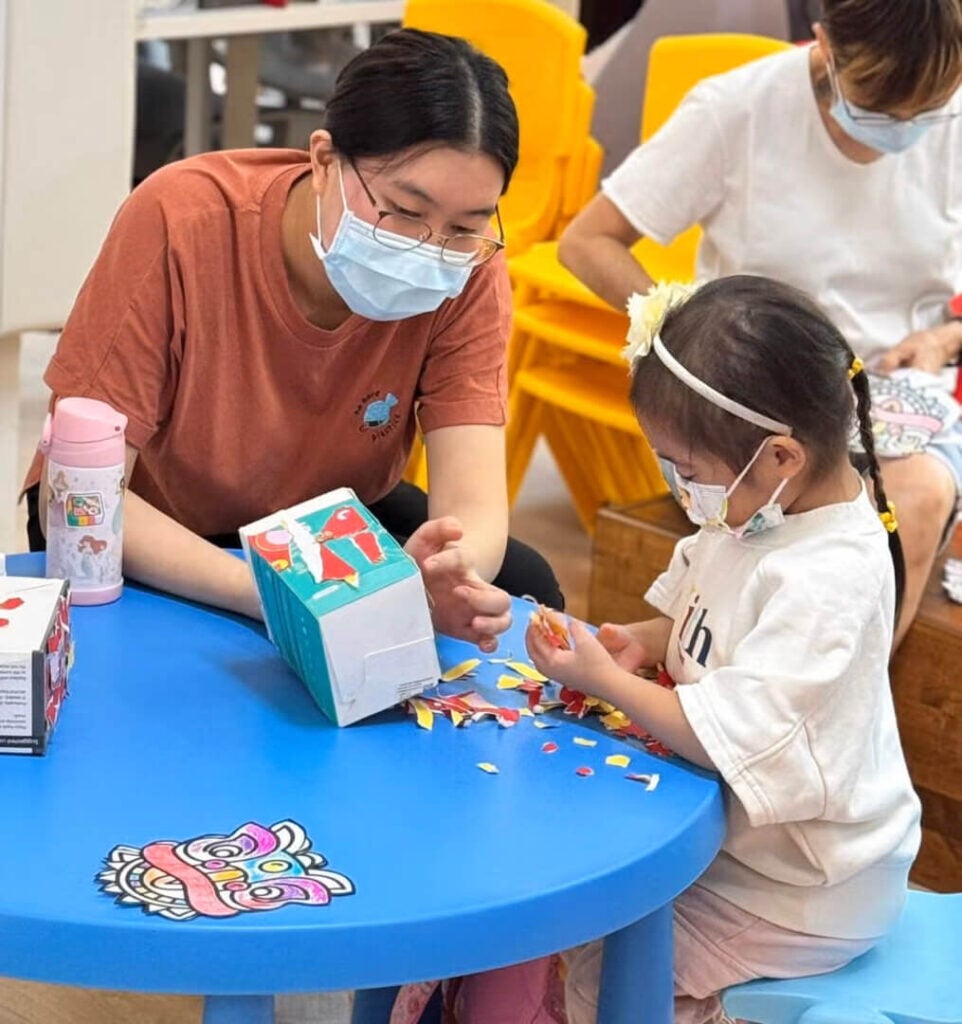
We organise a range of interactive and meaningful activities for children with cancer. These include storytelling sessions, arts and crafts, and educational games. One of our signature events is “Be a Nurse for a Day”, where children get to experience what it’s like to be a nurse—practising tasks like baby bathing (using dolls) and basic wound care in a fun, safe environment. We also hosted a themed Career Day, where volunteers dressed up as various professionals to introduce children to different career paths. Another major highlight was our Carnival Day, where children and their families joined us for a day of fun—complete with carnival games, a friendship bracelet-making workshop, balloon sculpting, and even a popcorn booth. It was a day of laughter, bonding, and memory-making.
What were some of the highlights/joyous moments for you?
One of the most touching moments is always seeing the pure joy on the children’s faces when they’re able to laugh and play—if only for a little while. For kids who spend much of their time in hospitals and undergoing treatment, these moments of happiness are precious. We believe the emotional support we provide through our presence and activities is just as important as medical care in their healing journey.
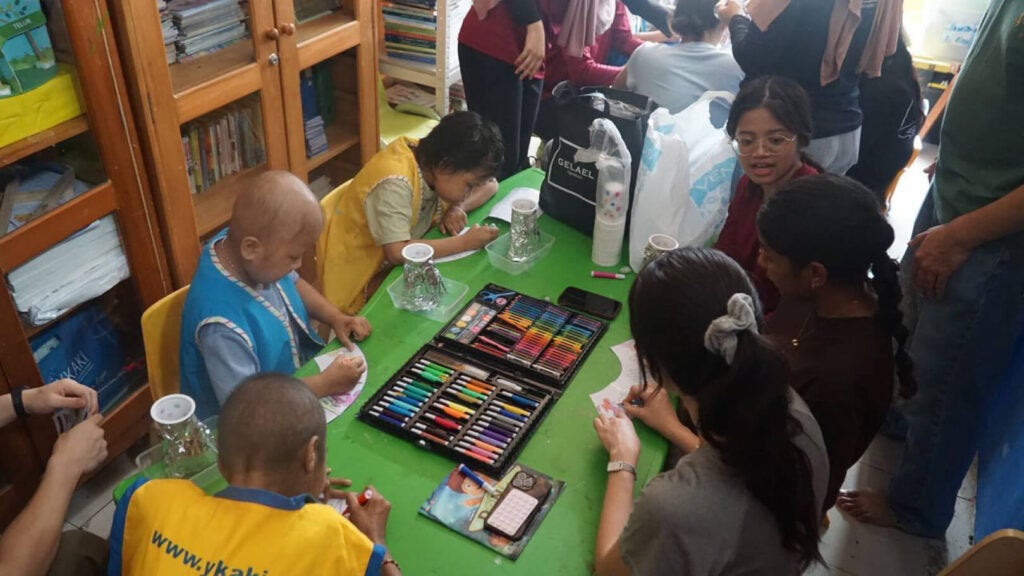
Project Iris collaborates with Yayasan Kasih Kanker Indonesia (YKAKI) to engage childhood cancer patients through therapeutic play and resilience-building activities.
Did the experience change your perspective in any way?
Yes, this experience has profoundly shaped our perspectives. It opened our eyes to the emotional strength and resilience of paediatric oncology patients and has inspired us to pursue careers in paediatric and oncology nursing. It also gave real-life context to our academic learning and reminded us why empathy, communication, and patient-centered care are just as critical as clinical knowledge.
How did what you were learning at NUS prepare you for this experience?
Our coursework—especially modules like Women and Children’s Health—provided a solid foundation in paediatric care, child development, and communication strategies tailored to young patients. Additionally, soft skills like empathy, teamwork, and cultural sensitivity, which are woven into many of our NUS modules, helped us build genuine connections with the children and their families.
With your experience, do you think it's important or useful that nursing students get exposure to volunteer and community service work?
Absolutely. Volunteering offers a dimension of learning that no textbook can teach. It nurtures compassion, improves communication skills, and reminds us of the human side of healthcare. Giving back to the community—especially to vulnerable groups like children with cancer—should be an integral part of nursing education. We believe that everyone should find their calling—a group of people, a cause, or even animals they feel deeply connected to—and commit to serving that community regularly. Even dedicating just a few hours each month can make a meaningful difference in someone’s life. As future nurses, we carry not just the responsibility to heal, but also to uplift and be a source of light in someone’s darkest moments.
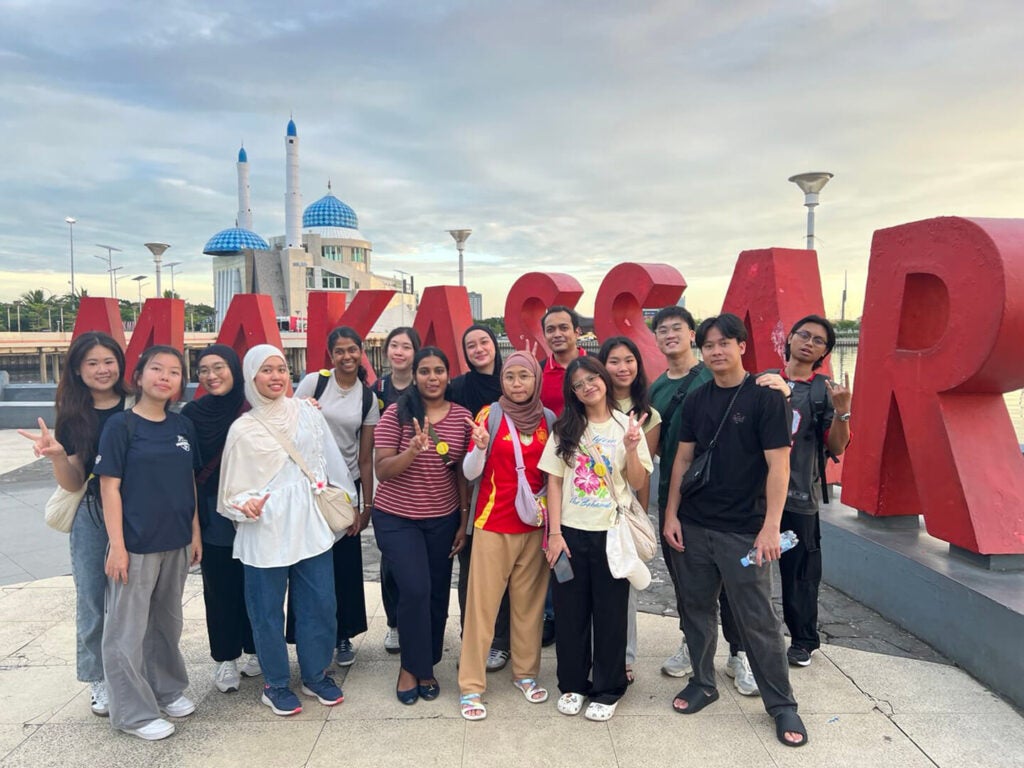
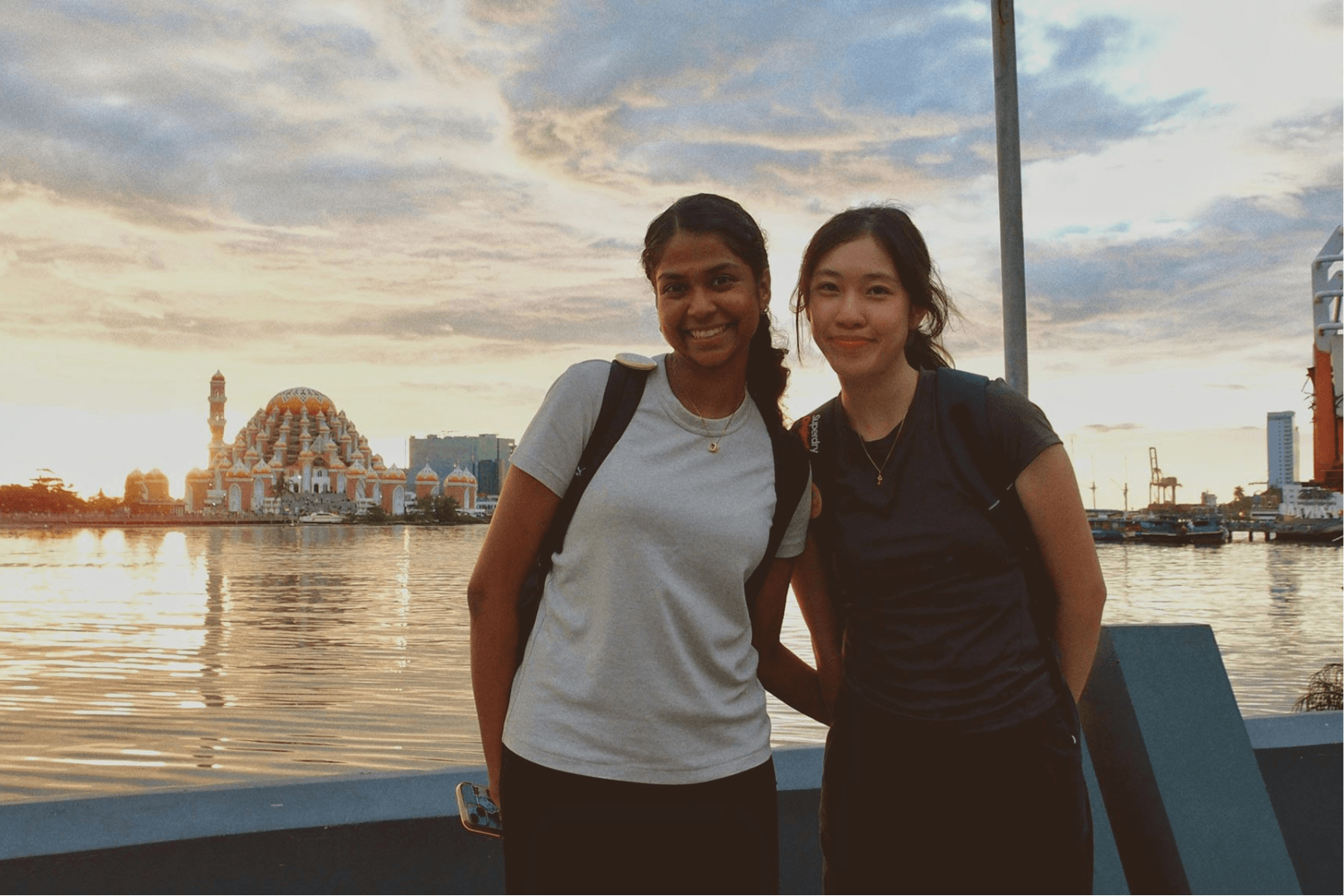
The Project Iris team, pictured in Indonesia.
Can you tell me more about Project Iris’s overseas partnerships?
This July, Project Iris successfully held its first Overseas Community Involvement Programme (OCIP) in Makassar, Indonesia. In collaboration with Yayasan Kasih Anak Kanker Indonesia (YKAKI), we engaged with children living with cancer through a series of therapeutic play and resilience-building activities. These included self-care workshops and a “Teddy Bear Hospital,” a simulated hospital setting designed to familiarise children with medical procedures—such as injections—in a fun and comforting way, helping to reduce their anxiety around treatment.
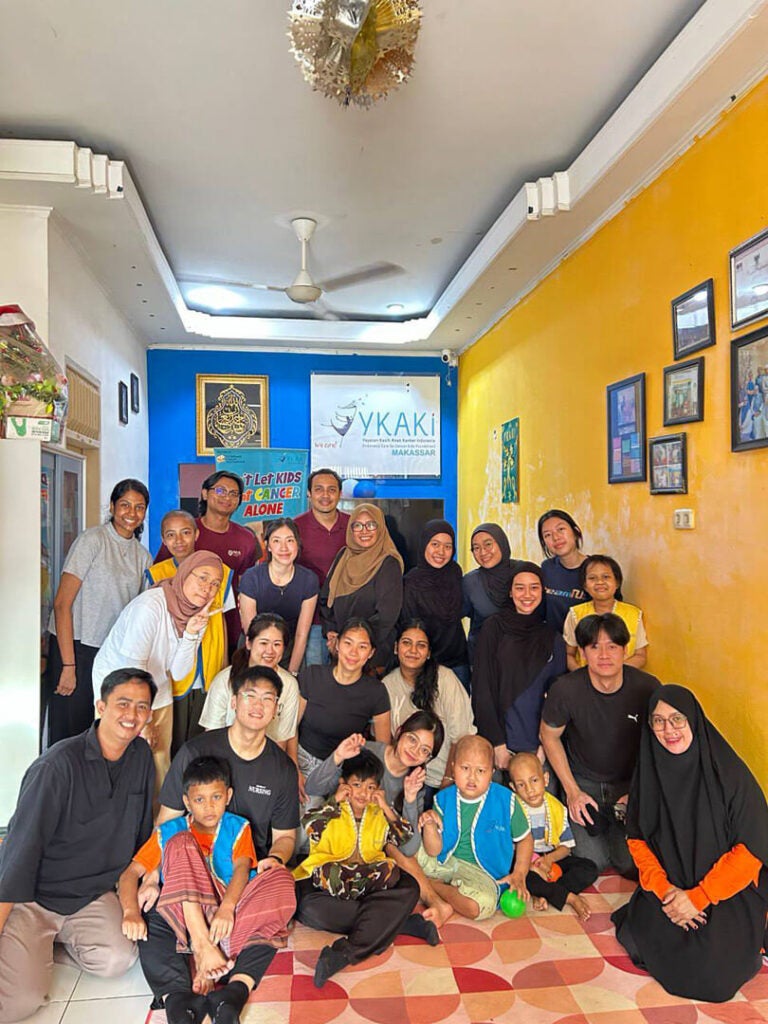
This month, Project Iris held its first Overseas Community Involvement Programme.
We brought a team of 13 other student volunteers on this meaningful service-learning trip, where we spent time interacting with the children to better understand how they cope with their illness. We also visited Rumah Sakit Umum Pusat Dr. Wahidin Sudirohusodo, the main hospital where the children of YKAKI receive treatment. There, we observed how the hospital partners with YKAKI to ensure that underprivileged children receive continuous medical care and psychosocial support throughout their treatment journey.
This experience not only allowed us to contribute meaningfully to the lives of these young patients but also deepened our understanding of paediatric oncology care in a different cultural context.