Tell us about your involvement in social impact initiatives such as Room to Read and UNICEF. Why do you have a passion for such work?
I have a strong belief in the transformative power of education and the need for equitable access to opportunities. Organisations like Room to Read, UNICEF and Save the Children International have given me the platform to work on issues I care about the most and bring lasting positive impacts to the individuals and communities we serve.
What do you currently do as the Country Director for Room to Read in Laos?
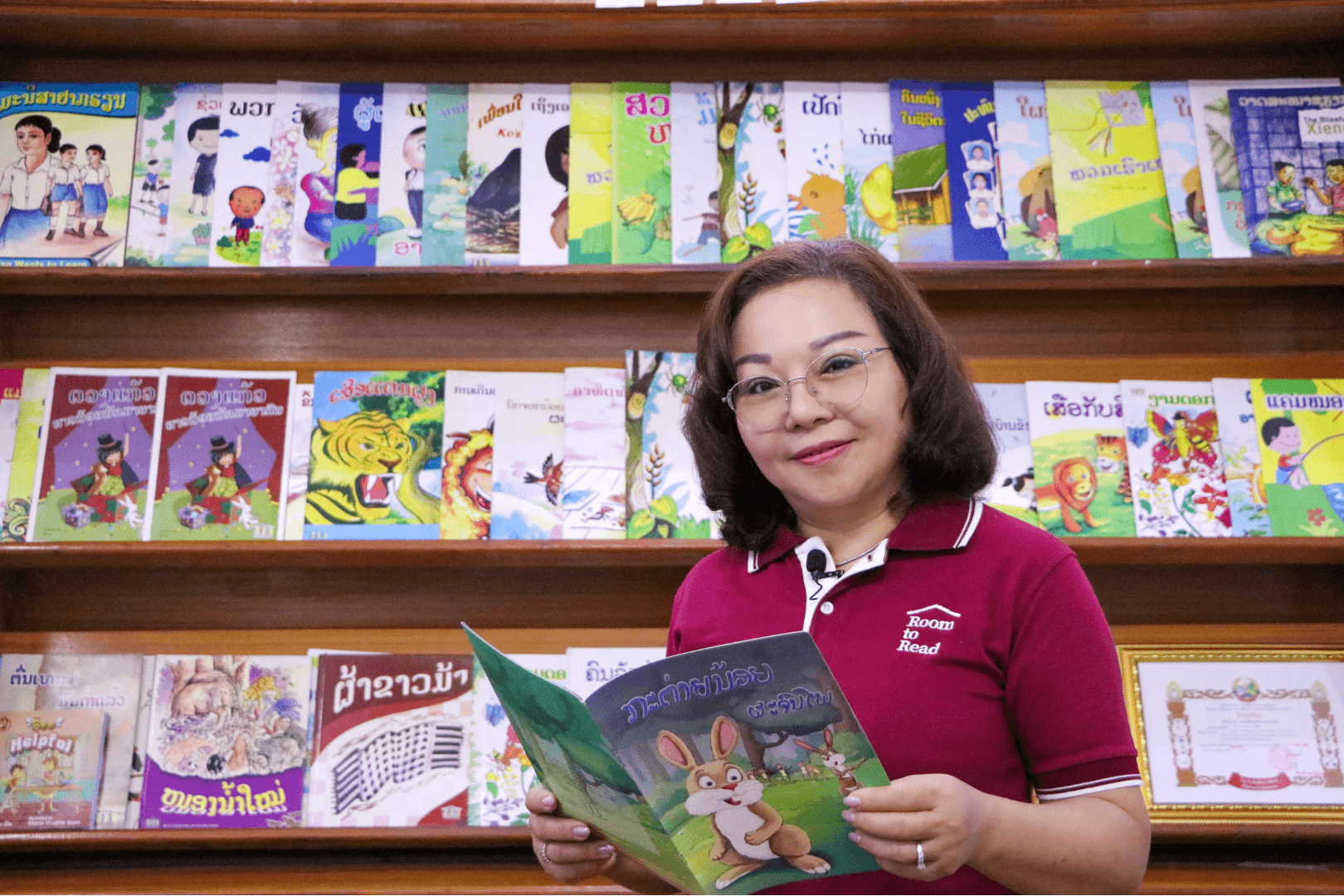
As Country Director for Room to Read in Laos, I lead the development and implementation of strategic initiatives in literacy and gender equality, aligning our programmes with national priorities and Room to Read’s global vision. I foster strong partnerships with government agencies, NGOs, and donors to strengthen education systems, advocate for the importance of education and ensure our operations are efficient, effective and transformative.
How did your time at NUS and the education you received influence your decision to pursue such work?
The Master in Public Administration programme at NUS equipped me with a solid foundation in global issues, policy analysis, and development studies, while also enhancing my negotiation and communication skills for engaging diverse stakeholders effectively. These essential skills are critical to my success in leading cross-sectoral collaborations, influencing education policy and driving sustainable development initiatives within complex and dynamic environments.
Were there any specific experiences or mentors at NUS that shaped your commitment to social impact?
At NUS, I was fortunate to be surrounded by professors and peers who combined academic knowledge with real-world experience in social change. Their insights into the complexities of social issues and the importance of sustainable solutions deepened my commitment to making a tangible impact. Working alongside them reinforced my passion for social change.
What have been some of the high points of your career? What have you been most proud of / what has brought you the most joy?
Some of the highlights of my career include witnessing children who were once at risk of dropping out graduate and pursue further education, as well as contributing to the national curriculum revision that directly improved literacy rates across Laos. My heart blooms every time I hear how our work has transformed lives, whether it’s a girl gaining confidence or a community recognising the value of education.
How has your work impacted your personal and professional growth?
My work has significantly shaped both my personal and professional growth. Professionally, I’ve developed strong leadership and problem-solving skills, especially in managing complex projects and working in diverse cultural contexts. Personally, it has deepened my empathy, humility and resilience. Working with marginalised communities and hearing their stories has enriched my understanding of global issues and reinforced my commitment to making a difference.
What advice would you give to current NUS students who are interested in pursuing similar paths?
My advice is to stay curious and open-minded, especially in today’s rapidly changing world. Seek out practical experiences through internships, volunteering, or fieldwork, as hands-on learning is invaluable. Build strong networks with professors, mentors and like-minded peers, and be ready to face challenges with resilience and adaptability. Above all, stay connected to your mission and the impact you want to make—this will keep you motivated when the work gets tough.
Do you stay in contact with NUS, and if so, how?
Due to work commitments, I haven’t been able to participate in many NUS alumni events. However, I enjoy reading The AlumNUS magazine to stay informed about the university’s initiatives. I also stay in touch with my classmates through our WhatsApp group, where we regularly share personal and professional updates, continuing to learn from and support each other.
What are your future goals, in the area of social impact?
In the next five years, my goal is to scale up Room to Read’s educational programmes through government systems to address literacy and gender equality. By collaborating with governments, educators and communities, I hope to influence policies that prioritise quality education and help ensure that every child has the room to read, to learn and to grow.
Do you have any thoughts on the social impact that NUS and NUS alumni are making on the global stage?
NUS and its alumni are at the forefront of social change. The university’s strong focus on research-driven solutions equips its graduates with the knowledge and skills to tackle some of the world’s most pressing challenges in sustainable development, influencing public policy in various countries, or shaping global education initiatives. The university’s interdisciplinary learning and innovation enable its graduates to approach problems from diverse perspectives, creating impactful, long-term solutions. Additionally, the NUS alumni network provides a powerful platform for collaboration, allowing graduates to continue to drive social impact on a global scale by sharing ideas, resources, and expertise.