NUS for Good: Making a Social Impact in Singapore and the World
When it comes to giving back, NUS’ commitment has always been strong and true, harking back to the founding aims of the University. In recent years, this heartbeat of compassion for the wider community has become a powerful, global rhythm.
It was a strong social impetus that lay behind the founding of the National University of Singapore (NUS) in 1905. Singapore philanthropist Tan Jiak Kim, who was the first president of the Straits Chinese British Association, gave a personal donation and raised funds to start the Straits Settlements and Federated Malay States Government Medical School to train doctors for the community, of which there was a shortage. This school would later become NUS.
In the intervening 120 years, NUS has grown in stature and reach. Today, its glittering list of achievements includes an eighth-place ranking worldwide and first in Asia, according to the QS Word University Rankings; research collaborations with more than 4,000 universities and institutes in 175 countries; and a global alumni body of nearly 390,000, many of whom are leaders making an impact in their professions.
But away from the lights, the University’s mission of serving the community has remained strong and true. In recent years, the collective heart of NUS students and alumni has swelled, propelling service initiatives not just within Singapore but far beyond its borders. When current NUS President Professor Tan Eng Chye (Science ’85) launched a new vision for the University in 2018, he said in his speech, “NUS is a very special institution founded by the community, for the community… This is our vision for NUS, a higher purpose that is deeply rooted in our beginnings.”
GROUND-UP HEART WORK
Up until the early 2000s, giving back was not formalised, but many service projects were initiated ground-up by faculties and students of their own accord. For instance, in the late 1990s, when Associate Professor Daniel Goh (Arts & Social Sciences ’98, MSocSci ’01), NUS Associate Provost (Undergraduate Education), was a sociology undergraduate, he gathered friends to start a tuition programme for children who needed dialysis at the National University Hospital and often had to miss classes.
Law and Medicine were among the first to start faculty-wide service initiatives. In 2005, Law students started the NUS Pro Bono Group to promote access to justice in Singapore. The students run 10 separate projects, supporting specific groups including sexual assault survivors, voluntary welfare organisations and legal clinics that provide free legal advice. As the first and largest student-run pro bono group in Singapore, the group now has over 230 student members, who helped more than 20 beneficiary organisations in the past academic year.
Law student Rebecca Wong, who is graduating in 2027, said, “Ultimately, being part of these clinics has reinforced my desire to pursue a career that balances legal expertise with social responsibility, whether through working with non-profits, in community law or within law firms that are actively engaged in pro bono work, thereby bringing a positive impact to society.”
As part of the NUS Pro Bono Group's outreach, students visited Tampines to educate elderly residents on scam prevention and financial dispute navigation.
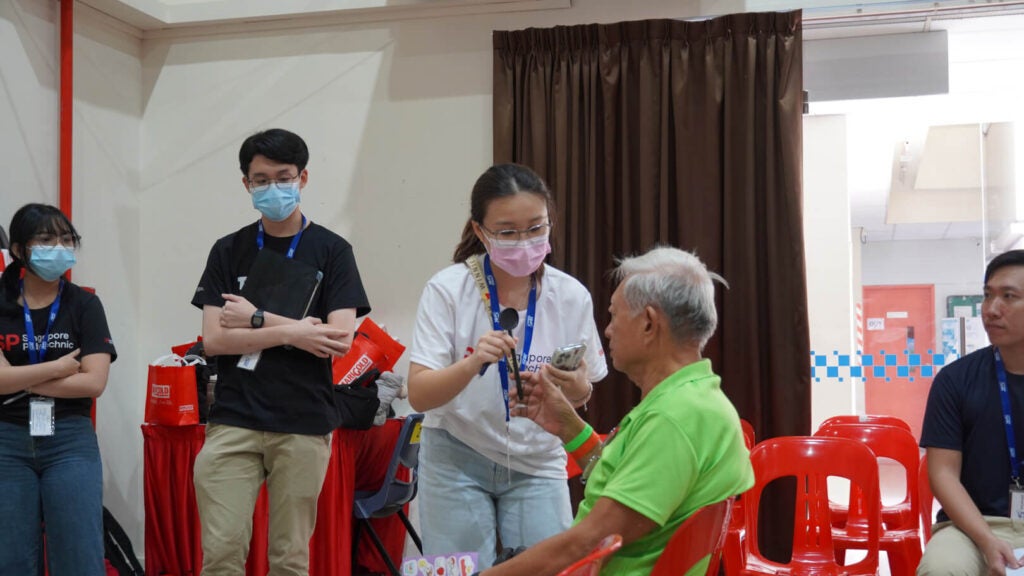
Then there is the Neighbourhood Health Service (NHS), which was launched in 2008 by a group of medical students to improve the low uptake of health screenings. Working with agencies, including regional health clusters SingHealth and the National Healthcare Group, they rotate through different neighbourhoods — most recently Clementi in 2024 — conducting ‘one-stop shop’ screenings for lower-income residents to check for multiple conditions, follow up with those who have abnormal results and promote general health awareness. Over the past 17 years, they have served more than 7,000 residents across nine districts. “Medical school has emphasised that medicine involves more than just a clinical perspective,” said NHS Project Director Cheryl Ow, a third- year student at the NUS Yong Loo Lin School of Medicine. “Through NHS, I’ve become more attuned to the challenges that low-income residents face in maintaining their health and had the opportunity to innovate NHS initiatives — skills and knowledge that will be valuable in my future practice.”
NUS Medicine's Neighbourhood Health Service has been reaching out to residents across Singapore for nearly two decades.
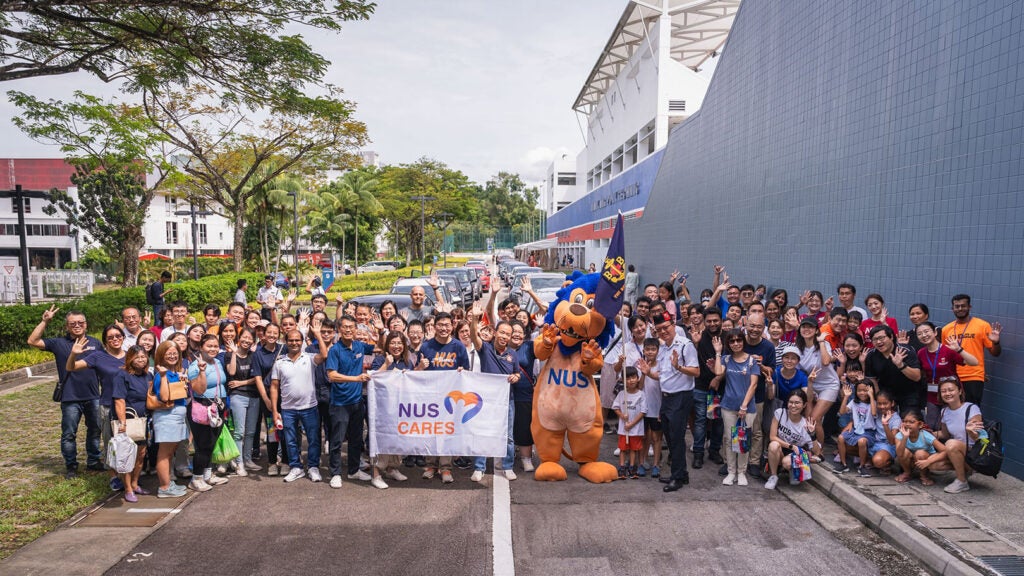
At a university level, the Day of Service was started in 2016 as a community service movement involving students, staff and alumni. It evolved into NUS Cares in 2022. Activities include distributing hampers to lower-income households, beach clean-ups and more. In 2024, more than 5,000 NUS alumni, students and staff participated in more than 100 community projects under the initiative, helping some 29,000 beneficiaries.
NUS Cares is the evolution of the Day of Service, with community service initiatives now carried out throughout the year.
Meanwhile, among the NUS student population, TeachSG was officially launched in 2022 to help children and youths from disadvantaged families through community-based tutoring and mentoring. Within a year, it had recruited close to 1,400 NUS students to mentor nearly 3,100 children and youth beneficiaries.
SERVICE LEARNING IN THE CURRICULUM
Despite the flowering of such initiatives, many of these remained voluntary. When it comes to formally integrating service learning into the NUS curriculum, Assoc Prof Goh said that the first such course — apart from those offered by the Department of Social Work, which was established in 1952 — was started in 2007 by the Faculty of Arts & Social Sciences. “Service learning was very much emphasised in Singapore at the time, and the universities were tasked to look into it,” said Assoc Prof Goh, who had just joined NUS to teach in 2006.
But the most significant expansion of service learning at NUS came in 2022 with the introduction of Communities and Engagement (C&E) courses such as Reconnect SeniorsSG — where students learn key concepts in volunteerism and then support vulnerable seniors by checking on them regularly, or Assistive Technology for Persons with Disability, during which students work with the community by developing a helpful service, app or other solution. All undergraduates are now required to complete at least one C&E course as part of their General Education curriculum. TeachSG was also folded into C&E, so students earn credits for their involvement.
As part of the Reconnect SeniorsSG course, students meet weekly with seniors, encouraging them to remain active and connected to society.
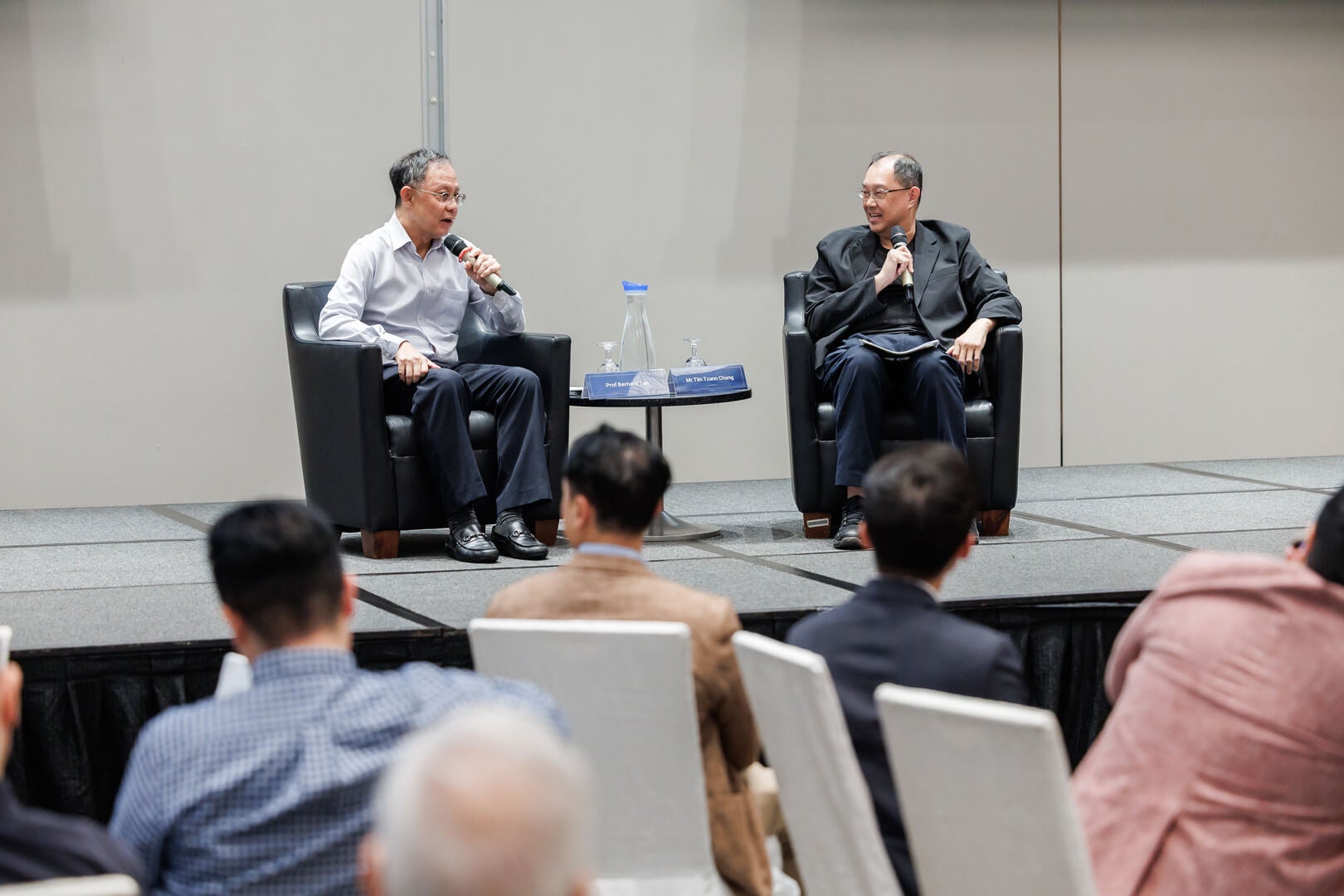
Senior Vice Provost (Undergraduate Education) Professor Bernard Tan (Computing ’89, Science MSc ’91, Science PhD ’95) explained why C&E was chosen over other possible areas such as sustainability or design thinking: “In a volatile world where people may face disruptions in work or life, the gap between the haves and the have-nots may widen,” he said. “Given that NUS produces leaders in all walks of life, it is important that our graduates have empathy for the have- nots.” He added that research shows young people with early experience in community work are more likely to continue giving back later in life as professionals and leaders.
The C&E courses have gained strong traction, he said, with many students choosing to take more than one required course by using their unrestricted electives. These courses are built around active participation. “The last thing we want is for them to sit in a class and listen to people talk about communities and engagement,” he said, adding that students need to go out and connect directly with those they hope to serve through fieldwork.
CULTIVATINGALISTENINGHEART
What kind of social impact do the students make? Prof Tan stressed that it is not simply about swooping into a community with a ‘superhero mindset’ to apply a perceived solution for a problem and then leaving in a blaze of lights. Instead, NUS cultivates an attitude of sincerity and humility that starts with learning and listening. “We want our undergrads to not just turn up to act, but to listen, learn and truly serve with an open heart and mind,” said Associate Professor Tan Lai Yong (Medicine ’85, MPA ’13), who taught a course titled Hidden Communities at the College of Alice and Peter Tan, where students interact with and learn from hidden or marginalised communities.
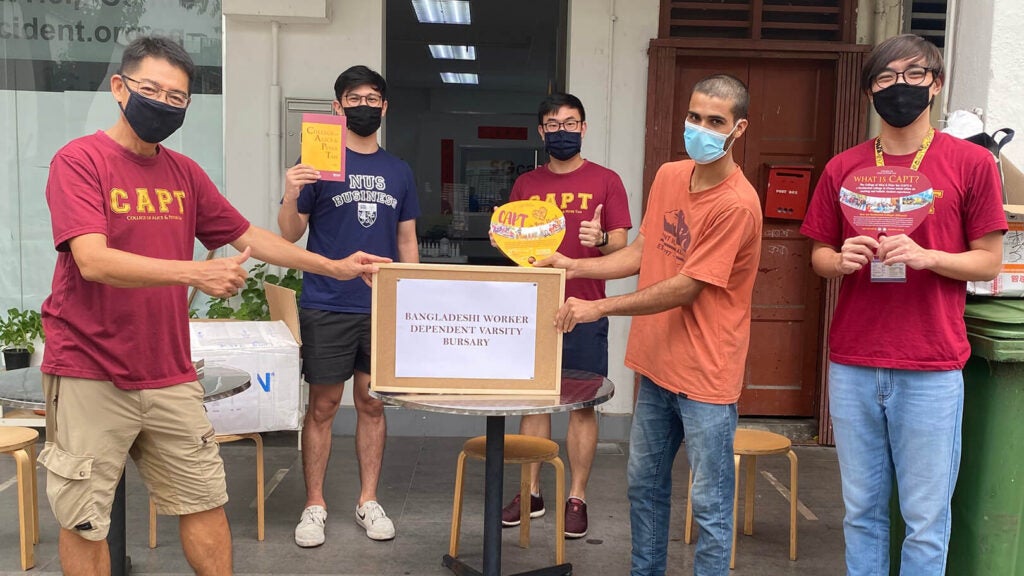
In 2020, Assoc Prof Tan (left) spearheaded a pilot project to help defray the university education expenses of migrant workers' female dependents.
Assoc Prof Tan, often described as a ‘barefoot doctor’ for his 15 years as a medical missionary in Yunnan, China, seeks to instil this spirit of the ‘listening heart’ in students. He stressed that the process of listening, engaging and learning — whether or not a student makes a quantifiable difference or starts a programme — is impactful in itself. “When we visit a community and learn something from them, in a way it also restores their dignity, as they are heard,” said Assoc Prof Tan, who still visits rural communities in Southeast Asia.
SOCIALIMPACTBEYONDSINGAPORE
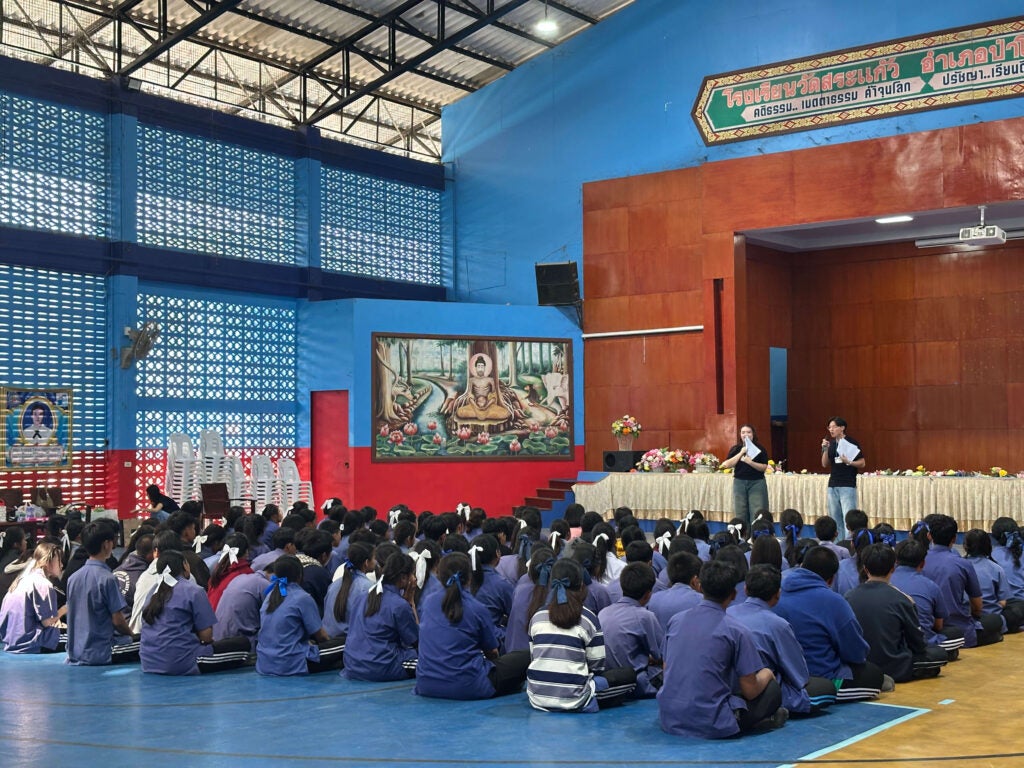
Like Assoc Prof Tan, more and more NUS students are stepping beyond Singapore’s borders to work with overseas communities. The NUS Pro Bono Group, for instance, collaborates with peers in Thailand and Malaysia. One of its most established initiatives is the Thai-Ed with Love programme, which was started in 2015 with Bangkok’s Thammasat University Pro Bono Society. In January this year, 25 NUS Law students travelled to the Thai capital to gain a comparative perspective on pro bono work in Thailand and Singapore.
Initiatives such as the Thai-Ed with Love programme have fostered collaboration between NUS Law and their peers across the ASEAN region.
Among the most significant social impact efforts beyond Singapore are the NUS Southeast Asia Friendship Initiative (SFI) and the Impact Experience (IEx) programme — both credit-bearing courses introduced in 2023. SFI sends students from the halls, houses and residential colleges on study trips across Southeast Asia. Since May 2023, more than 1,000 students have joined 50 such trips.
IEx, which is designed primarily for NUS College students but is also open to students from other NUS residential colleges, brings together interdisciplinary teams to work on credit-bearing projects in Year 2 — either in Singapore or within communities in Southeast Asian countries such as Cambodia, Indonesia, Malaysia, the Philippines, Thailand and Vietnam. “We want our students to go beyond Singapore so they become not only community-minded with an entrepreneurial mindset, but also global citizens who are comfortable with adapting anywhere,” explained Assoc Prof Goh.
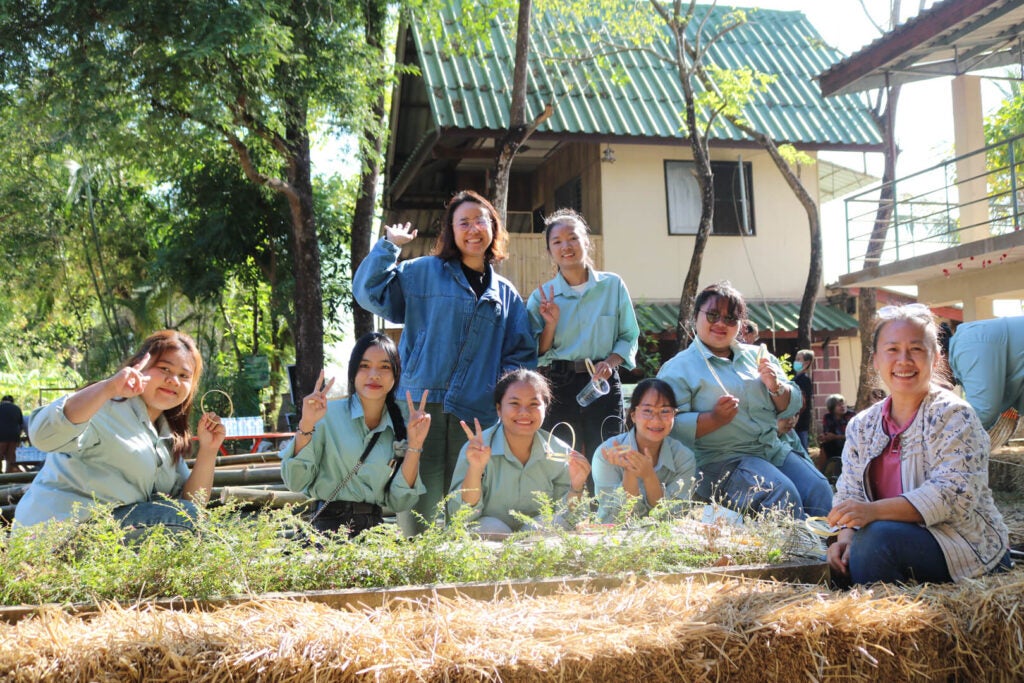
Over a two-year period, students return to these locations during their summer or winter breaks to build on their solutions with the local communities, such as helping banana farmers in Thailand improve profit margins, developing fire prevention and response systems in Sabah and optimising coral growth in Bali. Ideally, these projects are continued by the local community even after the students graduate. “The students know that they are not starting two-year projects,” said Assoc Prof Goh. “These are long-term projects. What the students are doing is seeding solutions for sustained engagement with the communities — [work that] can be carried on even by the next cohort or the communities themselves.”
Not every project succeeds. Many communities face what Assoc Prof Goh calls “wicked” problems — complex challenges with no easy solutions. “But this is part of the experiential learning pedagogy. We want to give students a real-world taste of failure,” he said.
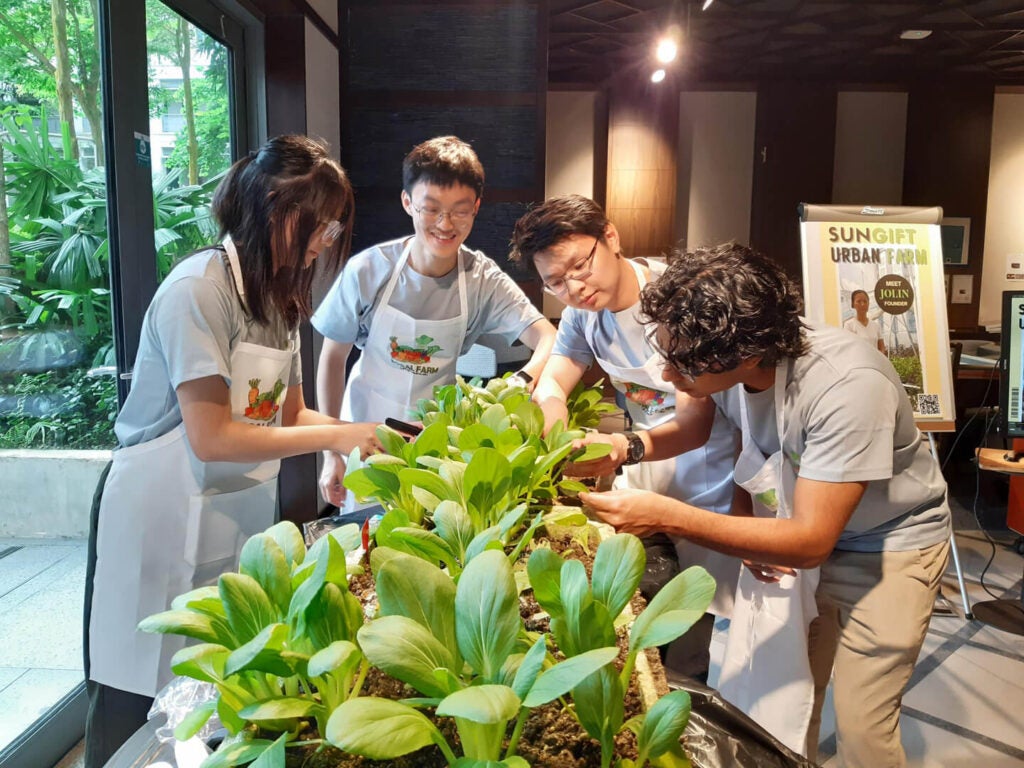
IEx group Local Farm Gastronomia created a farm-to-fork workshop that allows participants to experience rooftop farming and harvesting, followed by cooking a nutritious meal with the vegetables they harvested.
Since 2023, 1,140 students have taken part in IEx. The number has grown each year — from 352 in 2023 to 403 in 2025 — with more students choosing to go overseas. Regional projects now account for 65 per cent of the total number of IEx projects, up from 52 per cent in 2023. The very first IEx project showcase will take place on 17 September this year at the Impact Festival, to be held at UTown.
Given the scale of commitment, NUS will be doubling the credits awarded for IEx, from four to eight units. “The students are doing a lot of work and often want to do more, so we have to give recognition to the time and effort they put in,” said Assoc Prof Goh. He added that the students’ passion for their IEx projects and the impact they make always leaves an impression. “When I see photographs or videos of their projects, or read something — or just watch the students reflecting — I am incredibly moved by what they have done,” he added. “I intend to bring a lot of tissue paper to the Impact Festival!”
BAMBOO POWER IN THAILAND
In February 2024, five NUS undergraduates from five different disciplines — physics, political science, economics, computer science and architecture — teamed up to launch a regional social impact project.
Just over a year later, the Bamboobon team’s IEx project in Ubon Ratchathani, Thailand — to work with the local community to realise the value of bamboo — has not only led to the creation of a Bamboo Learning Centre, museum, community library and treatment centre, but also earned them the Promise and Potential Award at the NUS x Hult Prize 2025. The Hult Prize is a global social entrepreneurship competition that challenges students to address the world’s most pressing issues through innovative business ideas. Phoo Phoo Myint Han, one of the local volunteers, said, “Bamboo is a natural treasure here in Ubon, with its potential to diversify farmers’ crop portfolios, boost incomes, and meet the growing global demand for sustainable materials. The opening of a Bamboo Learning Centre and library in Donklangtai village is a significant step toward fostering knowledge, sustainability, and community development.”
The best part? Even after they graduate in 2027, their project may continue. The team is now working with NUS Enterprise to build a full-fledged social enterprise and is undergoing a three-month incubation at the BLOCK71 Social Impact Hub.
Meanwhile, their Thai community partners are still working to equip local farmers, artisans and enthusiasts with the skills, resources and industry connections to cultivate, treat, create and sell bamboo products. “We realised that social impact is, first and foremost, about building relationships with the community,” said a team spokesperson. “Advocating for lifestyle change is immensely difficult, and it all starts with trust. And trust can only be meaningfully fostered through face-to-face interactions.”
NUS ALUMNI AMPLIFY GLOBAL SOCIAL IMPACT
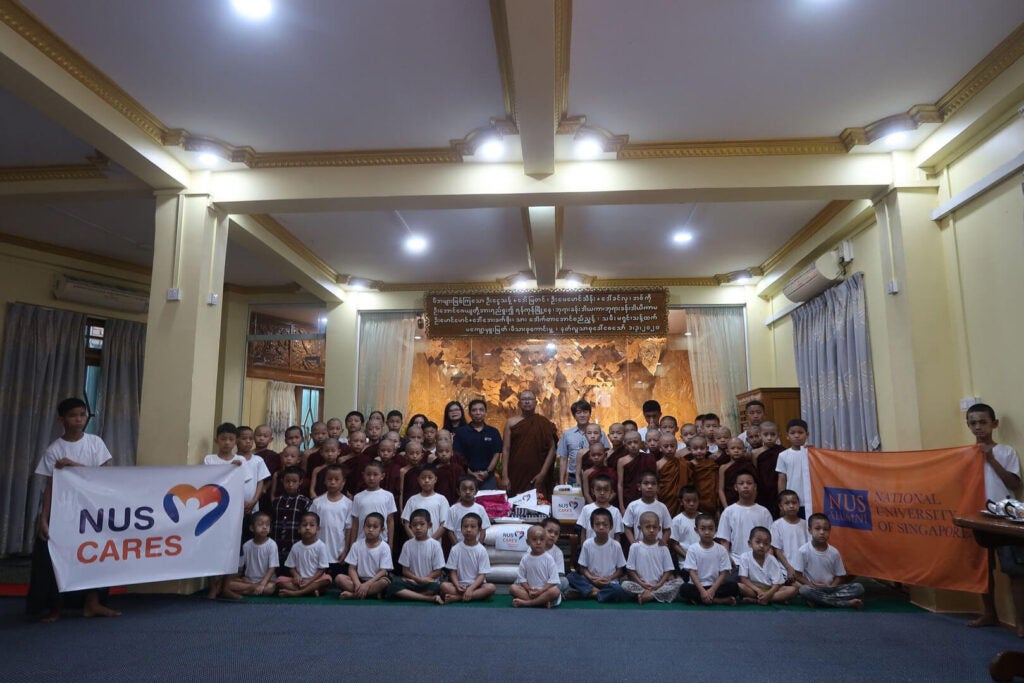
If success in social impact is defined by how alumni maintain a giving mindset and actively develop or support such initiatives after graduation, both in Singapore and globally, then NUS has been tremendously successful. For instance, Mr Win Bo (Engineering MSc ’02) took the initiative to approach the NUS Office of Alumni Relations in 2018 to set up the NUS Alumni Network Yangon. Among its activities, it brings together Myanmar-based NUS alumni to support vulnerable groups through food donations, educational support and healthcare assistance, usually under the NUS Cares umbrella. They run one to two programmes a year and were most recently involved in the Myanmar Earthquake Relief effort. “For overseas alumni, such projects foster a sense of belonging, strengthen bonds within the alumni network, and enable meaningful contributions to the host society,” he said.
The activities carried out by NUS Alumni Network Yangon members seek to support vulnerable groups in the country.
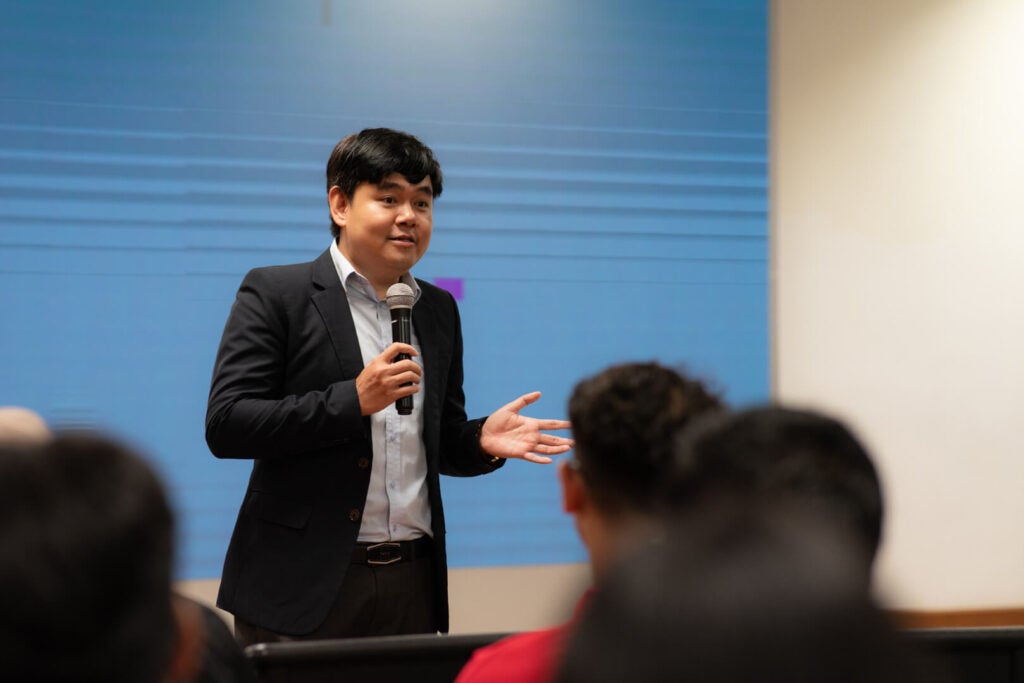
Even before the introduction of C&E courses in 2022, many alumni said their time at NUS inspired them to start and grow their own social impact ventures. For Mr Harry Pham Van Anh (MPA ’17), NUS was where he learnt about social policy design, public-private partnerships and systems thinking; visited grassroots organisations to better understand vocational learning and inclusive education; and connected with classmates from around the world with diverse insights. “It was at NUS where I felt empowered to keep going — not just with heart, but with a sharper, more strategic mind,” said Mr Pham, who started an education- based social enterprise in Vietnam, the ECO Vietnam Group.
Mr Harry Pham
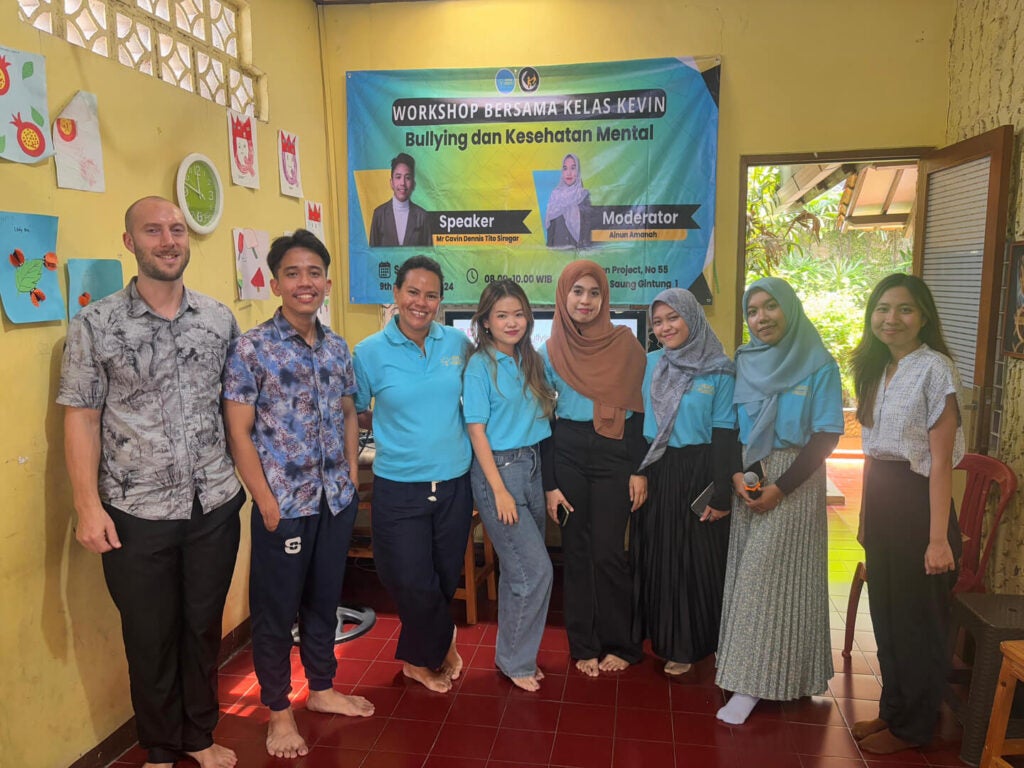
For Ms Nur Hafishah Marsden (Arts & Social Sciences ’05), two humbling realisations struck during her studies on global communities as an NUS history major. “First, I recognised how deeply privileged I was to be born in Singapore. Second, I began to see how so many people’s lives have been shaped by historical forces and decisions far beyond their control — often long before they were even born,” she said. She started the Arden Project in mid-2020 to teach English to students from low-income families in Indonesia, from Primary 1 to university level. Nearly all saw improvement in their exam results, with half scoring above 50 per cent. Ms Hafishah is now on track to open three new centres this year.
Through the Arden Project, Ms Nur Hafishah Marsden (3rd from left) seeks to empower children from low-income families in Indonesia.
Like her, Ms Norkham Souphanouvong (MPA ’07) also has a passion for the power of education. As a country director for Room to Read — a global non-profit for children’s literacy and girls’ education — she spearheads a wide range of educational development programmes in Laos. On how her NUS professors and peers had shaped her outlook, she said, “Their insights into the complexities of social issues and the importance of sustainable solutions deepened my commitment to making a tangible impact.”
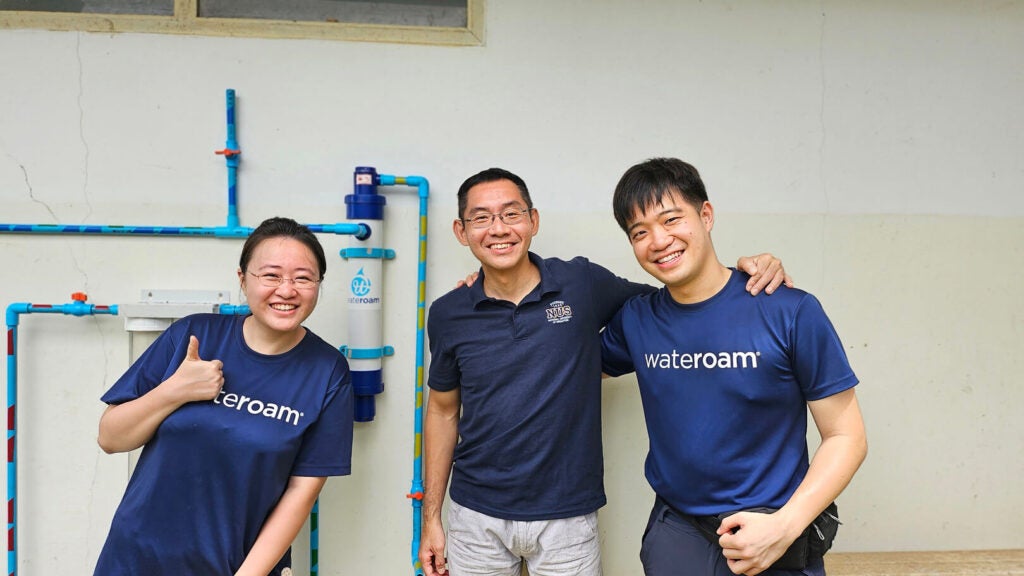
Wateroam is committed to providing people across the region access to clean water.
As for the founders of Wateroam, a combination of NUS’ academic rigour, cultural diversity and an environment that celebrates curiosity, innovation and multidisciplinary collaboration showed them that engineering could serve as a tool for social transformation. Founded by Mr Vincent Loka (Engineering ’15), Mr Lim Chong Tee (Engineering ’16) and Mr David Pong (Business ’14), the water filtration company has helped roughly 350,000 people across the region gain access to clean water over the past decade. Most recently, during the Myanmar earthquake in March, their filters provided a lifeline, supplying safe drinking water to affected communities.
“We believe that the global impact of NUS, its students and alumni serves as a powerful reminder of how education and community commitment can drive meaningful change,” said Mr Lim, reflecting on the social impact of the NUS community. “Witnessing the initiatives of NUS and its alumni reaffirms our belief that our education is not an end in itself but a catalyst for continuous, impactful progress.”
A VILLAGE GIRL BREAKS THE CYCLE
When a 12-year-old Khmer- Vietnamese girl first stepped into Mr Harry Pham Van Anh’s ECO Vietnam Group (EVG) learning centre, she was bucking the trend.
In her village, it was the boys who had the chance to pursue an education. Girls were expected to marry young. But Mr Pham encouraged her to not only explore her Khmer heritage — from its philosophies to traditional dance — but also to study English and STEM subjects to build a better future.
Today, she has made history as the first girl in her village to receive a full scholarship to study at Fulbright University Vietnam. “Her journey has inspired many others, especially girls, to dream bigger,” said Mr Pham.
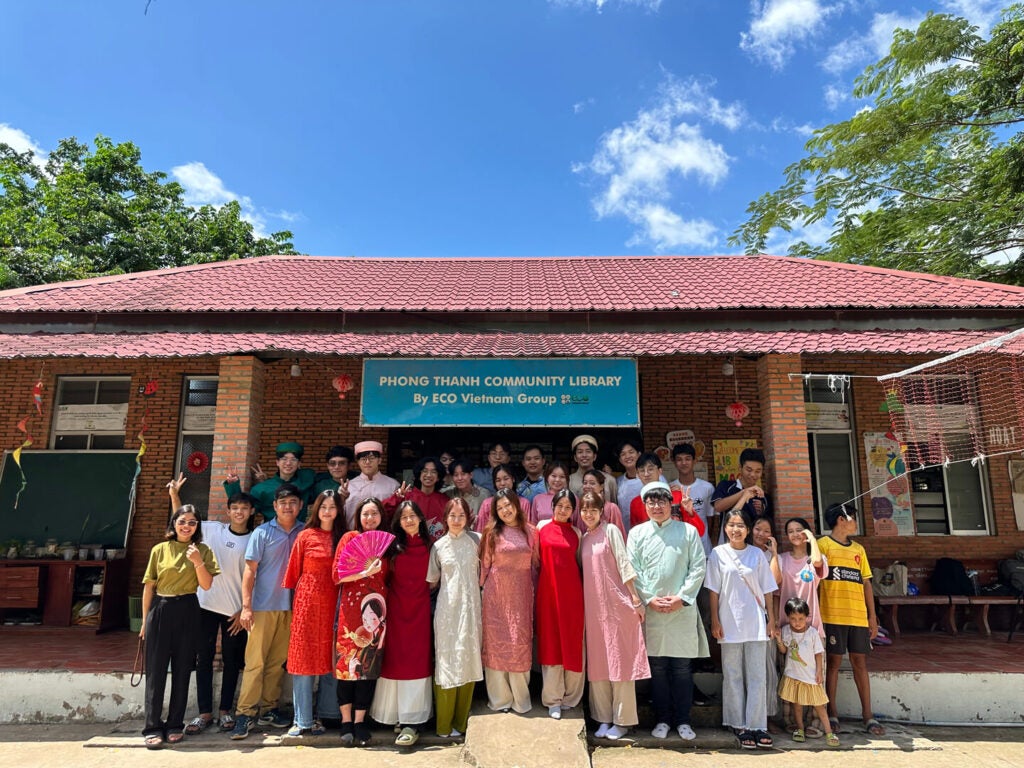
Singaporean students during a Cultural Exchange session at EVG Center 1.
Motivated by former Singapore Prime Minister Lee Kuan Yew’s (HonLLD ’13) belief in the power of education to transform lives, Mr Pham founded EVG in 2009. His three learning centres in Vietnam offer high-quality, free education to underserved communities, with facilities such as libraries, multipurpose classrooms with laptops and internet access, recycled-material playgrounds and community halls. EVG also drives broader community development: Constructing roads to improve access, building toilets to promote hygiene and installing solar streetlights to ensure safety. Every year, it runs around 30 community projects involving more than 1,000 local and international volunteers (including from NUS), contributing between US$150,000 and US$300,000 in value to rural communities. For his work, Mr Pham recently received a certification of merit from the provincial government.
Mr Pham — who continues to give back as a member of the NUS Alumni Advisory Board, NUS Alumni Ambassador in Ho Chi Minh City and President of the Lee Kuan Yew School of Public Policy Vietnam Chapter — has this advice for fellow alumni keen on social impact work: “I have ‘3Ps’ to share. Patience is required as real change takes time. Proactiveness is needed to learn new things and connect with others. Finally, Professionalism is critical, as social impact work is not charity or a short-term activity — it requires seriousness and dedication.”