AlumNUS

When Purpose Meets Design

What do an eye surgeon, a designer and a marketer know about building a baby care brand? As it turns out, enough to create one that is quietly redefining the industry with award-winning design, thoughtful sustainability and a whole lot of heart.

It began with a cardboard box and a bold idea.

Before it became an internationally recognised baby brand, KIKI & SEBBY® started as a quiet concept in the mind of Dr Sharon Heng (Medicine ’08). Around eight years ago, Dr Heng—now a consultant ophthalmic surgeon at the world-renowned London’s Moorfields Eye Hospital—came across the Finnish tradition of baby boxes: cardboard containers filled with newborn essentials, used both as gifts and safe sleeping spaces. Associated with lower infant mortality rates in Finland, the idea—symbolising equality, care and practicality—stayed with her. She was not yet a parent, but the vision of creating something both functional and meaningful took root.

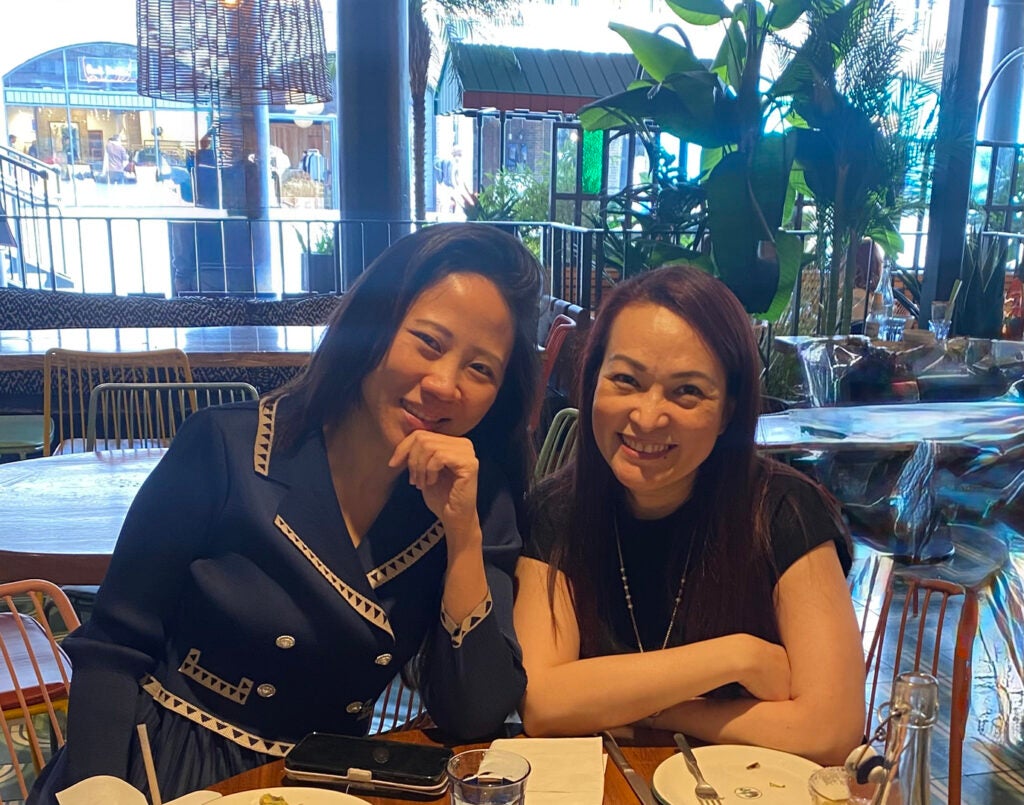
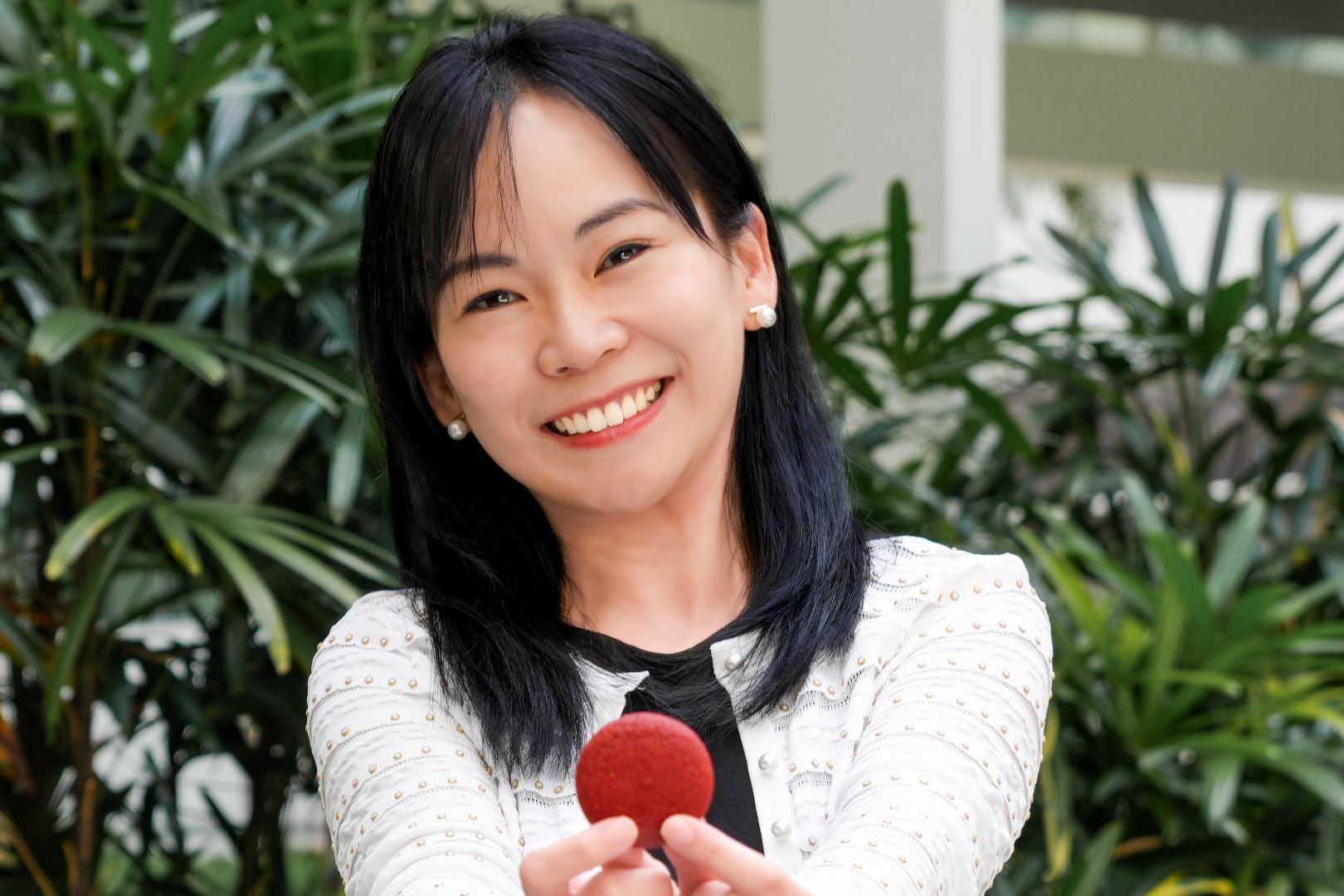
KIKI & SEBBY® co-founders Dr Sharon Heng (L) and Ms Alice Au (R)

“We always wanted to create a modern, micro-luxurious—that is, high-quality yet accessible—baby product that speaks to the needs of today’s working woman,” said Dr Heng. “Something thoughtfully designed to ease daily routines, adapt as the child grows and eliminate the need for frequent replacements — which ultimately saves time, space and mental load. It reflects what the modern woman stands for: someone who values function, beauty, sustainability and purpose in every aspect of her life.”

She shared the idea with Ms Alice Au, a Malaysian-born marketing professional she met at a London networking event. The two hit it off instantly. “Even though I’m not a mum, I have three nephews and I’ve always loved babies,” said Ms Au. “I also have a very Asian mentality about value—I don’t like paying one price for just one function. So, we kept asking: how can we make this product multi-functional?”

A CONCEPT WITH A HEART

Not one to wait around, Dr Heng began looking for a designer online. She found Mr Quek Chun Beng (Design and Environment ’04), a Singapore-based industrial designer known for turning bold ideas into elegant, functional products. He had started his own studio—Design Insight Singapore—shortly after graduating from NUS’ inaugural industrial design cohort and had years of experience with global brands. “She showed up carrying this huge bag of something that looked like a foldable sofa,” Mr Quek recalled, laughing. “She was so well-dressed, but struggling to carry this massive thing. I could see how serious and passionate she was.”

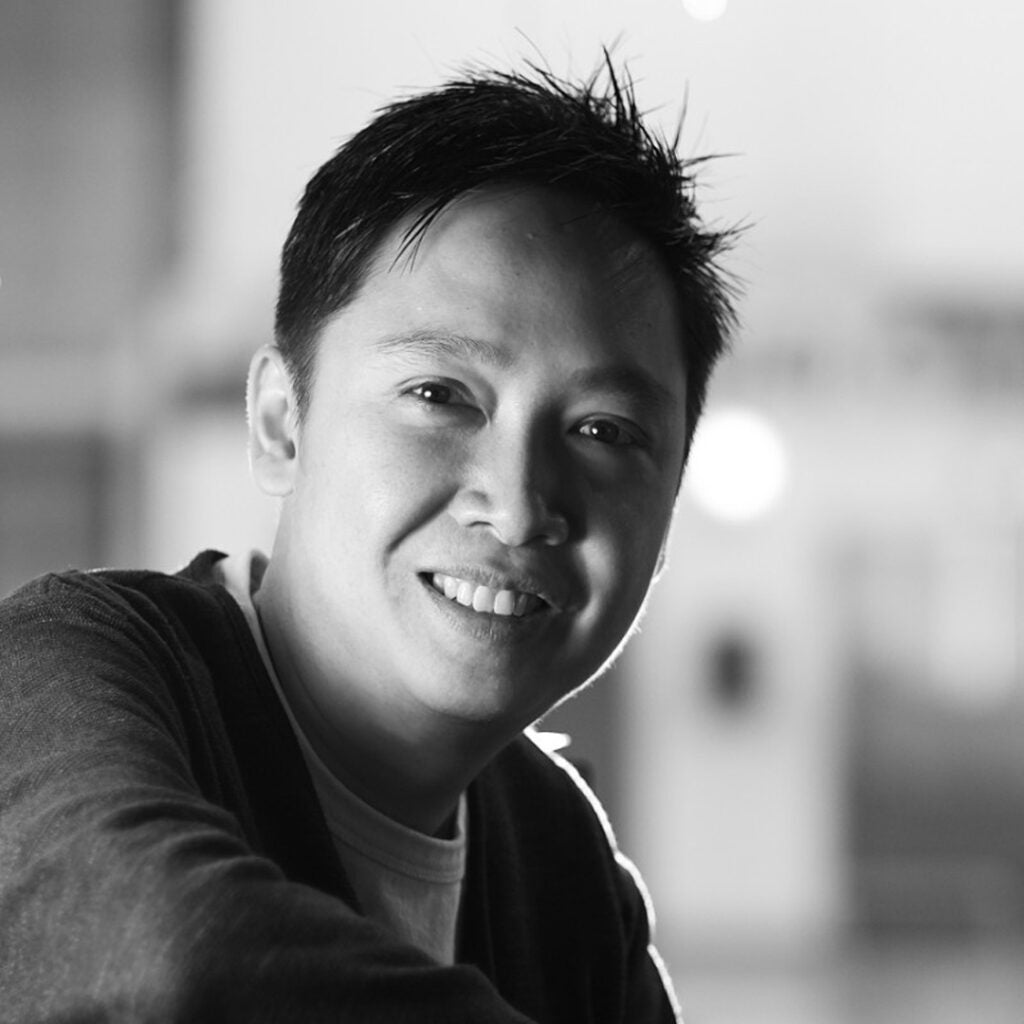
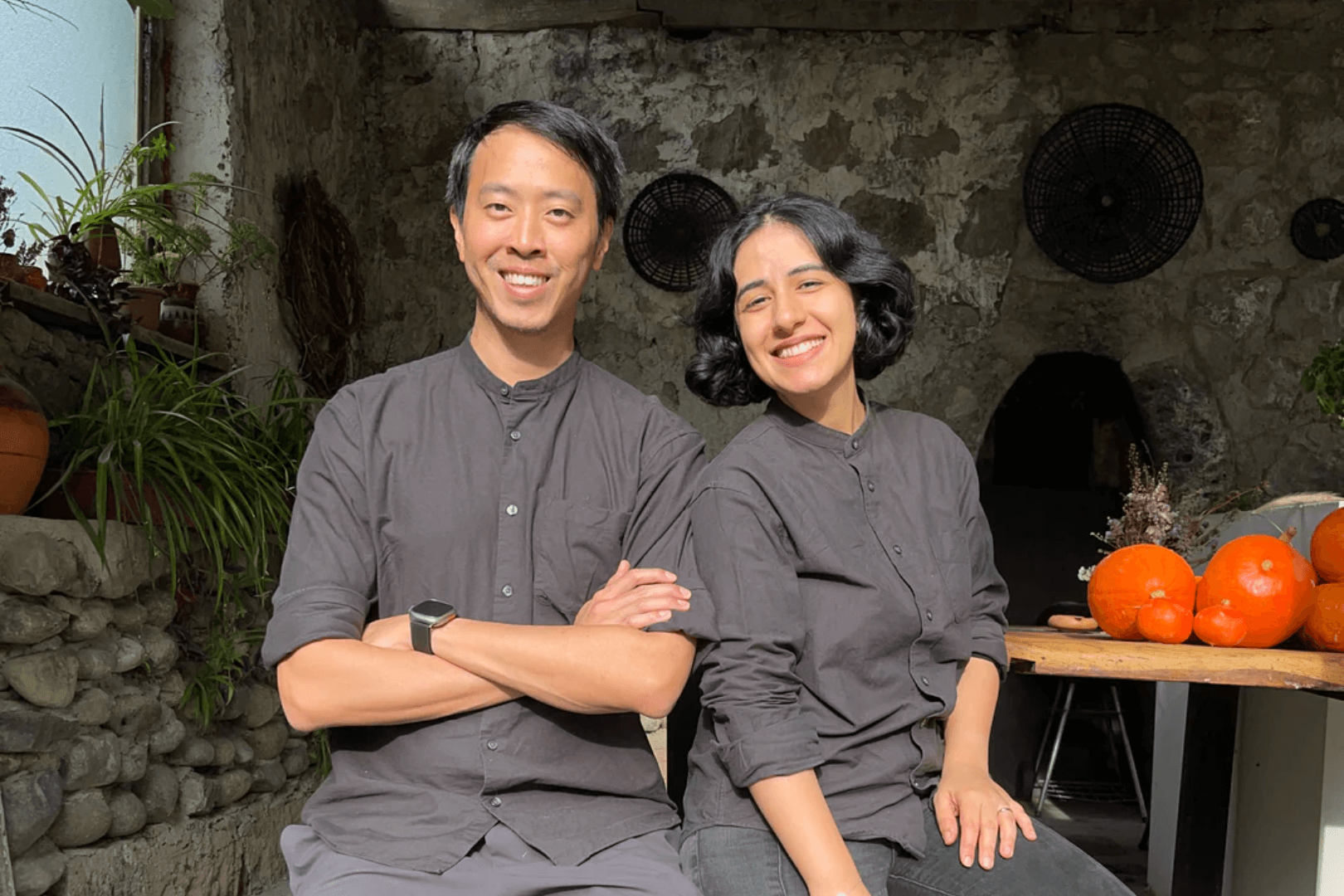
Mr Quek Chun Beng

Over coffee, she showed him her prototype—made from what looked like sofa cushion material and lugged all the way from the United Kingdom. He was intrigued. “The fees would have been quite significant if I went with my usual rates,” he said. “But I’ve been an entrepreneur myself for many years and understand the challenges of starting out. Her passion was infectious. I really wanted to help, so instead of charging full fees, I came on board as a shareholder and director.”

What followed was the Angel Babybox®—a nod to the Finnish version. But instead of cardboard, theirs was a safety-certified bassinet made of reinforced food-grade plastic and ecological Japanese cotton. It was flat-packable and could be used as a travel cot whilst doubling up as a playpen, crawling mat, toy box, changing mat and more.

THREE FOUNDERS, ONE VISION 

Their diverse backgrounds became their strength. Dr Heng brought clinical experience in safety standards and trials. Ms Au focused on branding and outreach. And Mr Quek refined the design, sometimes spending months sourcing the right sustainable materials. “We didn’t want to make another disposable baby product,” he said. “We thought about longevity, modularity and environmental impact from the start.”

That ethos shaped their manufacturing decisions. When COVID-19 disrupted their supply chains in China, Mr Quek knocked on factory doors across Malaysia, looking for partners who could meet their standards. The team eventually chose rubberwood, a sustainable by-product of the latex industry, and ensured all parts met strict safety certification standards. “It took a lot more effort and cost, but if we say we’re sustainable, we have to walk the talk,” he said. They later rebranded as KIKI & SEBBY®, after Dr Heng’s two children—a small but meaningful sign of their personal investment.

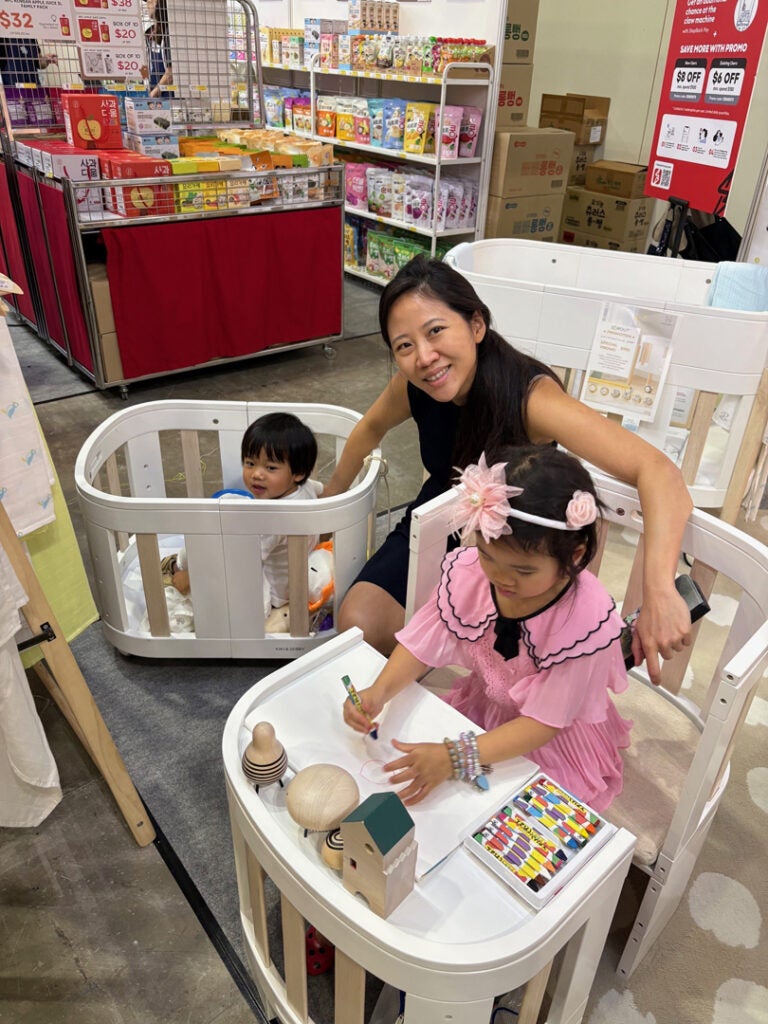
KIKI & SEBBY® was named after Dr Heng’s two children

NAVIGATING HEADWINDS TOGETHER 

The journey was far from smooth. Their first product—Angel Babybox®—launched just as COVID-19 hit in early 2020, shuttering shops and stalling momentum. They changed their business tactic to focus on brand building. In 2022, they introduced a textile line of muslins, sleeping bags and comforters. A year later came SBROUT®, the brand’s flagship product: a modular piece of furniture designed to grow with a child from birth through primary school and beyond. With a few simple adjustments, SBROUT® becomes a bench, bookshelf or writing desk, fully embodying their vision of sustainability, adaptability and long-lasting design.

But just as they gained momentum, global economic conditions began faltering, making it tougher for a premium startup to gain ground. “It felt like we kept running into headwinds,” said Dr Heng. “But we refused to compromise on our standards. That’s non-negotiable.”

Even in tough times, their bond stayed strong. “Of course we had fights,” said Ms Au. “But we all gave more than 150 per cent. Even when we disagreed, we always showed up for one another.”

Their time at NUS—though in different faculties and years apart—left a deep mark. Dr Heng, who now chairs NUS Alumni Network London, said medical school gave her the confidence to think globally and act boldly. “Going through school at NUS makes you feel the world is open. It taught me that nothing is unthinkable if you put your mind to it,” she said. For Mr Quek, being part of the first industrial design cohort taught him to be resourceful and solutions-focused. “We had to figure out a lot on our own,” he said. “That mindset of finding a way, no matter how hard it is, has stayed with me ever since.”

PURPOSE BEYOND PRODUCT 

Today, KIKI & SEBBY® is stocked at selected premium retailers and has won multiple international design awards for its innovation and sustainability. But for the founders, the greatest rewards have been personal.

For Dr Heng, the business has grown alongside her children, who proudly call it “the Kiki and Sebby shop” and eagerly help out at roadshows. “It’s like another child to me,” she added. For Ms Au, success is hearing from parents who love and believe in the product. “That gives me the greatest satisfaction,” she said. And for Mr Quek, joy lies in seeing families use something he helped create. “I still remember the first time I walked into someone’s home and saw them using our product,” he said. “That feeling is priceless.”