When the word ‘capital’ is used in the context of Singapore, the immediate association tends to be economic, spanning from the national to the individual level. Economic statistics provide one measure of how the nation is progressing and whether it is moving in the right direction. However, we should also consider another type of capital—because if the economy represents Singapore’s heartbeat, what symbolises our collective blood pressure? Social capital, which has been under closer scrutiny in recent years, might well offer insights into the condition of the nation.
‘Social capital’ refers to the resources that individuals or communities derive from their social networks and shared norms, typically organised along lines of race, religion, education and socio-economic standing, to achieve collective goals. It underlines how such relationships create value and encourage cooperation. French sociologist Pierre Bourdieu popularised the term in 1986, defining it as the “aggregate of the actual or potential resources which are linked to the possession of a durable network of more or less institutionalised relationships of mutual acquaintance and recognition”. American academic James Coleman expanded on this in his influential work Foundations of Social Theory (1990), highlighting the role of trust in economic and educational outcomes. His compatriot and prominent political scientist Robert Putnam documented the decline of civic engagement in his book Bowling Alone: The Collapse and Revival of American Community (2000), showing how weakened social ties erode societal well-being. Taken together, these perspectives reveal social capital’s significance in shaping civic participation, economic progress and societal cohesion across diverse contexts.
In Singapore, social capital has recently become the subject of two working papers by the Institute of Policy Studies (IPS): Results from the IPS- OnePeople.SG Indicators of Racial and Religious Harmony 2024 and the follow-up, Faultlines in Singapore: Perceptions and Management with a Focus on Race and Religion. These studies—the first of their kind since 2018—were based on the IPS Survey on Race, Religion and Language, a survey of 4,000 Singaporeans and Permanent Residents aged 18 and above conducted between April and August 2024.
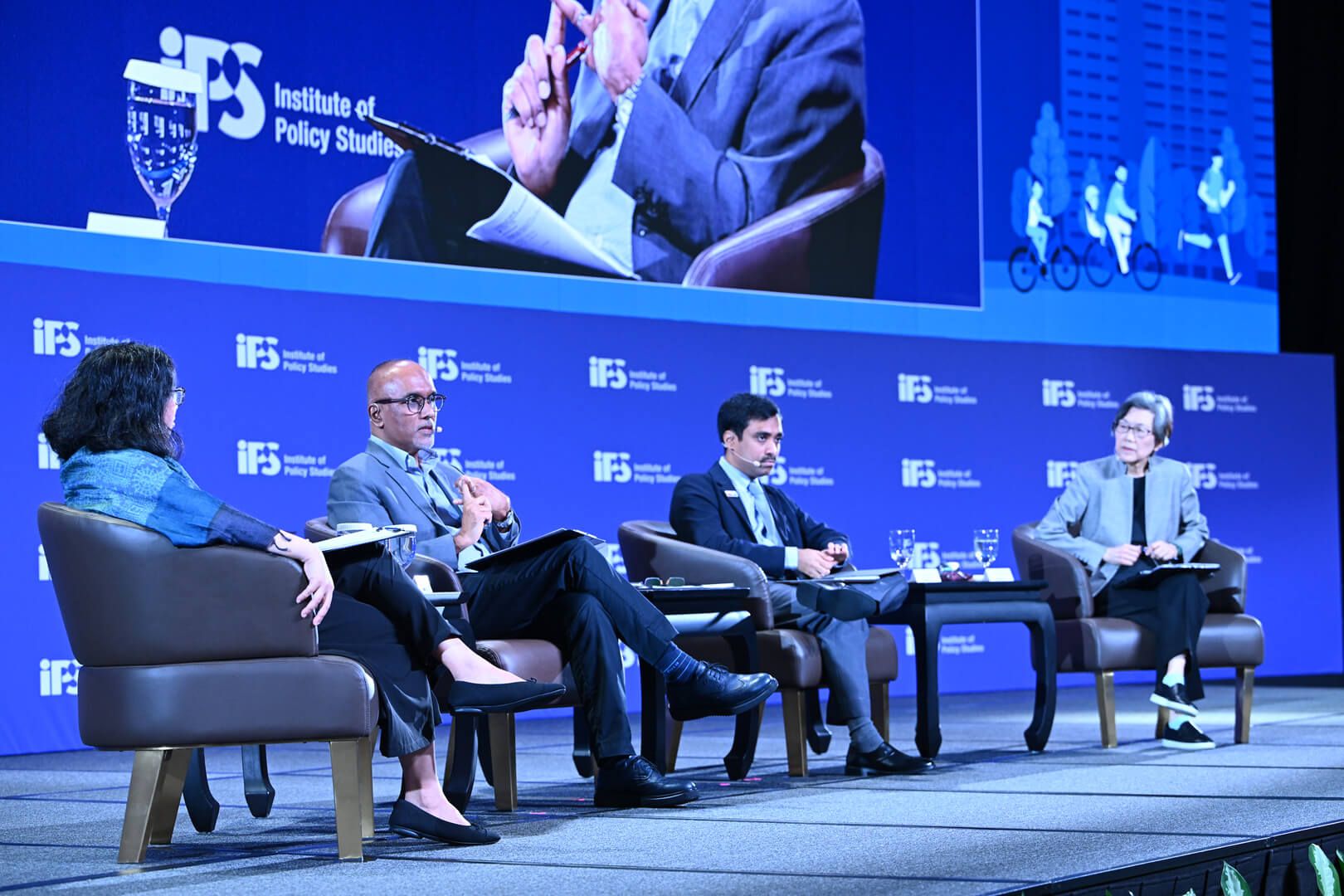
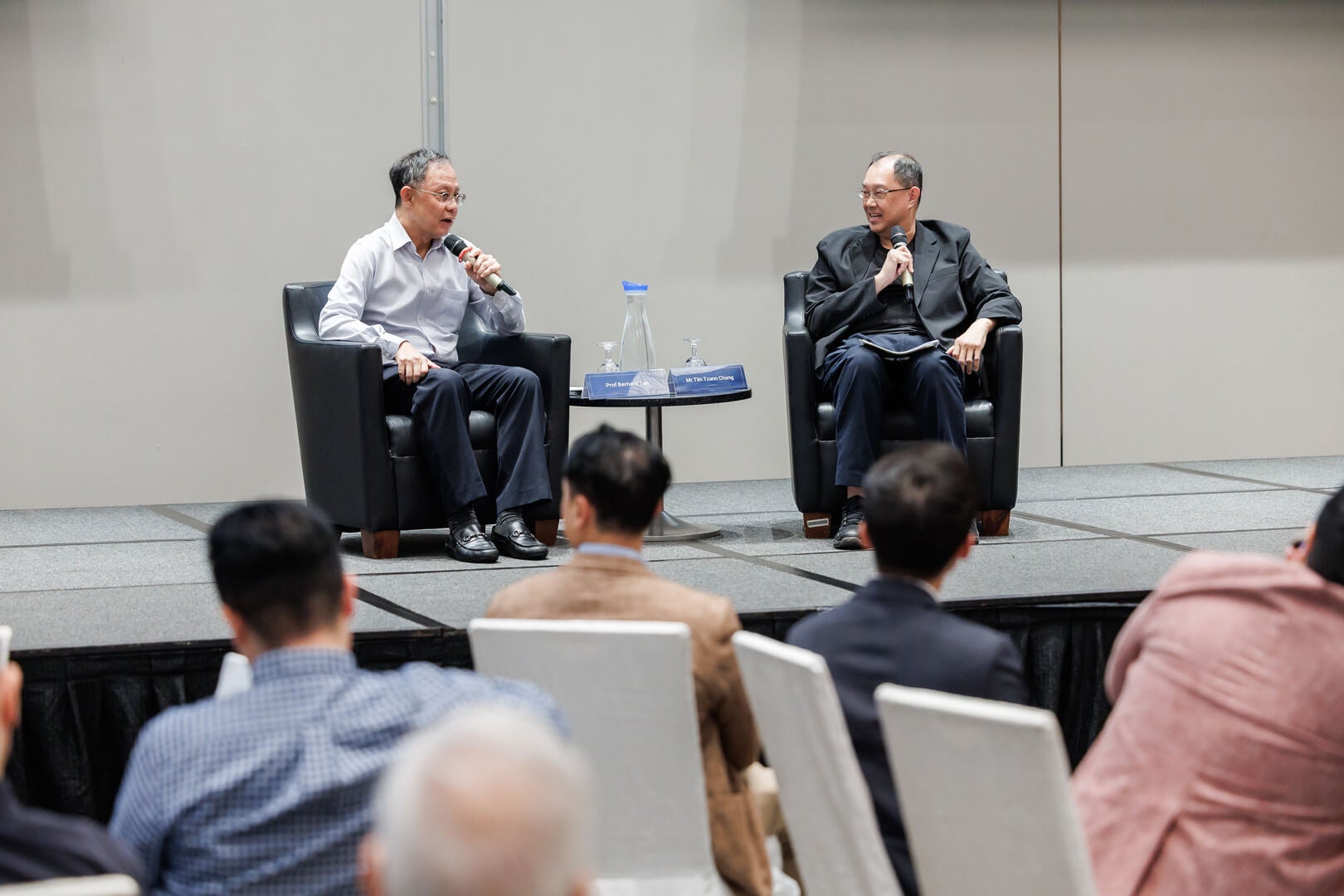
On 20 January 2025, policymakers, academics, and community leaders gathered at the IPS Singapore Perspectives conference on ‘Community’ to discuss the evolving nature of social capital in the country. The event previewed several key findings from the studies, with discussions offering a multifaceted look at how neighbourhood ties, digital transformation, and policy innovation are simultaneously strengthening—and straining—the nation’s social cohesion.
NEIGHBOURHOOD BONDS: THE FOUNDATION OF NATIONAL STRENGTH
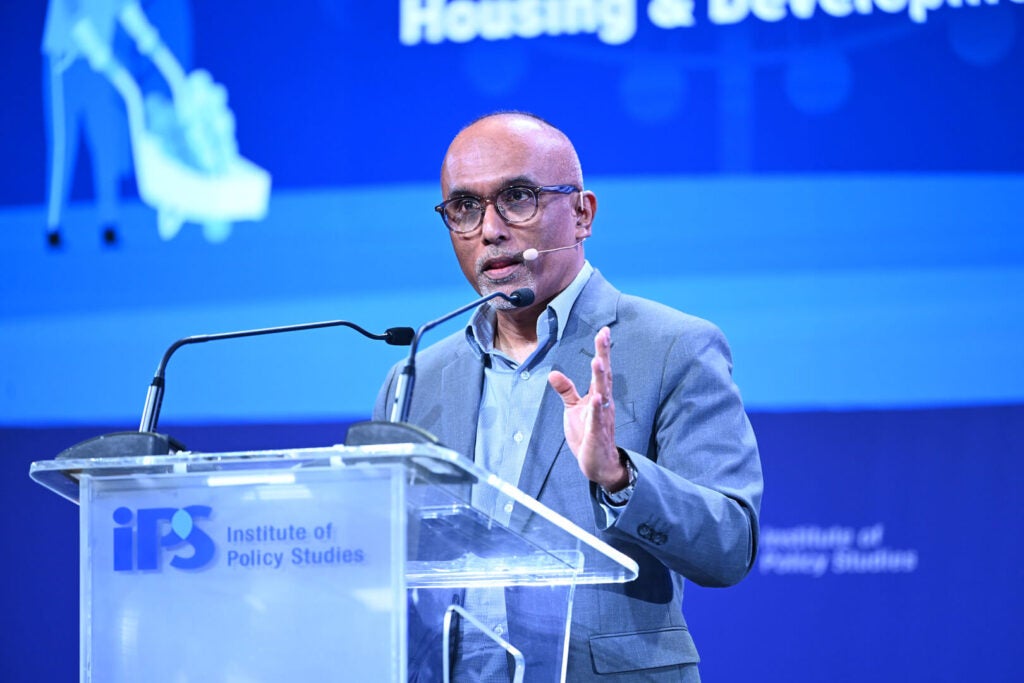
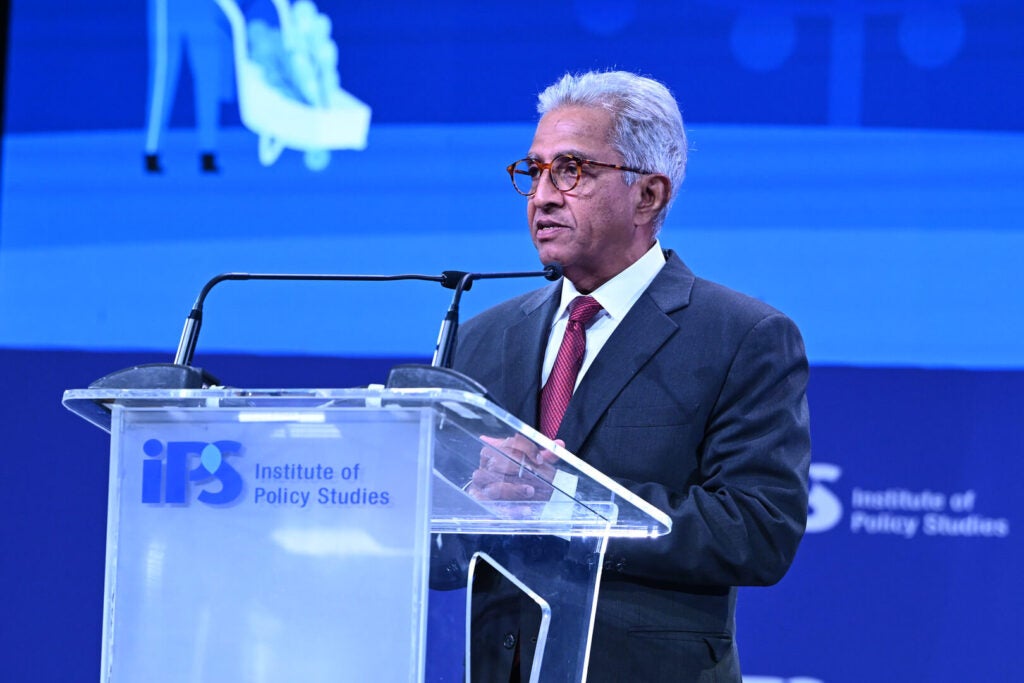
One prominent theme to emerge from the conference was the value of grassroots connections. In his opening address, IPS director Mr Janadas Devan (Arts & Social Sciences ’79) noted that robust community ties remain essential for building national strength. He said this was evident at the height of the COVID-19 pandemic, when it was shown that public health “is rooted best in the soil of trust.”
Speakers emphasised that the close-knit bonds among Singaporeans are not only a cultural hallmark but also a critical asset in times of uncertainty. There was broad consensus that local neighbourhood networks form the bedrock of social resilience, aligning with research findings that diverse community connections help citizens manage economic and social challenges. For instance, the Indicators of Racial and Religious Harmony 2024 study found that “over three-quarters of respondents trusted more than half of Chinese (77.6 per cent), and about two-thirds of respondents trusted more than half of Malays (69.7 per cent), Indians (68.6 per cent), and Eurasians (67.4 per cent) to help them during a national crisis; an improvement over [the 2018 and 2013 surveys].”
Panel discussions highlighted forward-thinking local initiatives, ranging from neighbourhood groups to digital platforms aimed at fostering engagement among residents. Participants stressed that traditional forms of social capital remain vital, but present-day challenges require adaptive strategies that merge both physical and virtual spaces. The notion of ‘building national strength on neighbourhood ties’ recurred throughout the conference as speakers called for stronger local initiatives to reinforce Singapore’s social fabric.
COHESION AND COMPLEXITY
The overall picture of racial and religious harmony in Singapore remains positive. Two-thirds (65.4 per cent) of survey respondents rated the country’s racial and religious harmony as ‘high’ or ‘very high’, marking an improvement from 57.1 per cent in 2018. Perceptions of discrimination when accessing public services remain very rare, with nine out of 10 respondents reporting they were treated ‘about the same’ as people from other races. And attitudes towards racial diversity have improved, with 71.1 per cent of respondents stating that racial diversity positively impacts Singapore—up from 66.7 per cent in 2018.
Dr Janil Puthucheary, Senior Minister of State for Digital Development and Information and Health, noted that the Indicators of Racial and Religious Harmony 2024 study shows a strong commitment to the spirit of multiculturalism that underpins Singapore’s society. He made remarks to this effect in his capacity as chairman of OnePeople.sg at a press conference for the publication of the working paper. “When it comes to social cohesion, institutional trust and racial harmony, Singapore stands relatively high compared with many other countries and cities,” he said.
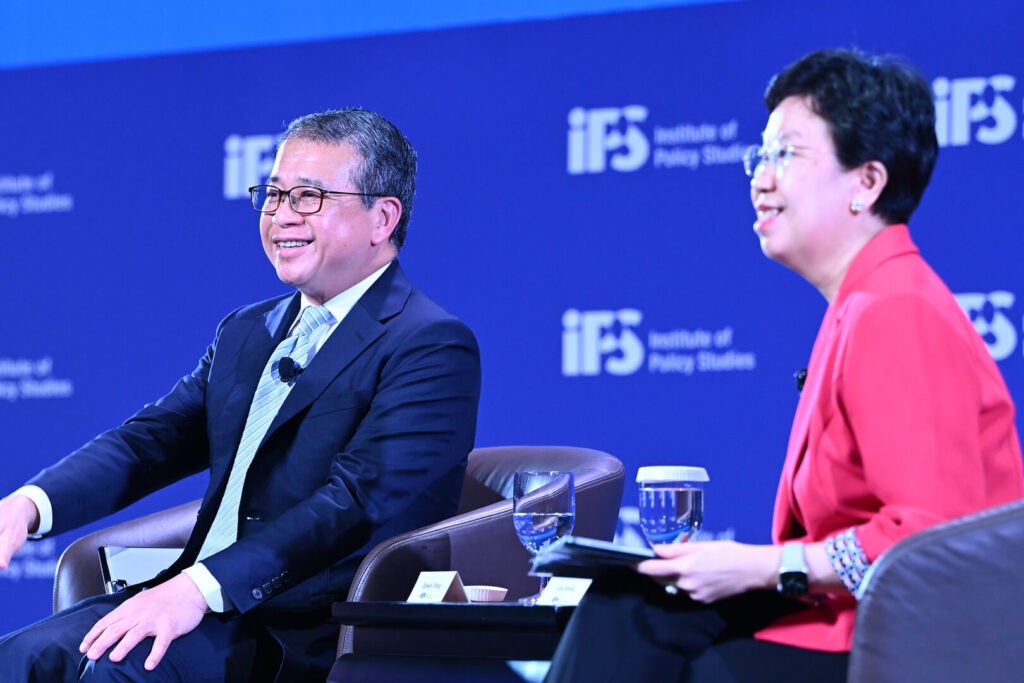
Speaking at the IPS Conference, Mr Edwin Tong (Law ’94), Minister for Culture, Community and Youth and Second Minister for Law, expressed the same sentiment during his discussion session with Singapore Management University President Professor Lily Kong (Arts & Social Sciences ’86, MA ’88). “We managed to develop a strong national identity and internally cohesive community despite our diversity, or perhaps in some cases, because of our diversity,” he noted. “In the context of where and how we started as a nation, this was an exceptional outcome — one that we can celebrate as we look at SG60, and one that we can also draw a lot of learnings from as we navigate SG100 and beyond.”
Despite these strengths, social cohesion in Singapore is beginning to show signs of strain. In his candid address, Mr Devan noted that income inequality, the rise of social media, and immigration have created new fault lines in the social landscape. He pointed to IPS findings that, regardless of age or socioeconomic status, respondents in 2024 were significantly more likely to prefer interacting with people of similar income levels as compared to 2018. At the same time, the average number of close friends Singaporeans have has dropped substantially over the same period, and younger Singaporeans (aged 18 to 35) have reported having fewer close friends, as compared with older people, as well as with respondents in the 2018 and 2013 surveys. As Mr Tong noted, despite advances in technology, the impact of social media and artificial intelligence on the way we share and consume information can adversely accelerate social fragmentation and the rise of echo chambers.
Speakers at the conference also discussed how socioeconomic divides and evolving cultural norms continue to influence daily interactions, noting that race and religion have historically been prominent fault lines in Singapore. Indeed, the Faultlines in Singapore: Perceptions and Management with a Focus on Race and Religion study revealed that “approximately 8 out of 10 respondents believe that there are significant societal consequences if issues related to race, religion, immigration, socioeconomic status (SES) or LGBT concerns are not properly managed.” In particular, race and religion were identified among these issues as “most likely to result in anger against particular communities if mishandled”.
Some panellists, including Hong Kong Baptist University Professor Cherian George, suggested that while Singapore remains a model of social harmony, engineered by a highly capable government, early warning signs must be addressed to preserve the nation’s communal spirit. “The flaw in our model is the assumption that a capable state needs to be autocratic and cannot tolerate vigorous competition nor contrary and dissenting voices in civil society,” he said.
POLICY RESPONSES AND INNOVATIVE SOLUTIONS
Prof George and other panellists noted the importance of government intervention and participation in addressing complex social matters. Central to their discussion was the call for innovative policy responses that support collaborative nation-building, enabling communities and the government to work together effectively. Several sessions shed light on progressive approaches designed to bridge emerging gaps in social cohesion.
A video presentation from the first panel’s ‘Community and the State’ discussion, for example, showcased how the not-for-profit legal aid agency Pro Bono SG has leveraged the government to support funding for its mission as well as link up with other service providers, while acknowledging the potential burdens of bureaucracy. On the other hand, Casual Poet Library—a community-run communal library—preferred to see what the community could accomplish on its own, using social media to organise, while retaining a sense of autonomy and agency.
The importance of communities continuing to work with the government in addressing community affairs, especially sensitive issues such as race and religion, was central to the Faultlines study. About two-thirds of the 4,000 respondents felt that the government’s current involvement in managing racial and religious issues was appropriate, while fewer than one in 10 thought that less government action would be preferable. Although 76.7 per cent of respondents were ‘satisfied’ or ‘very satisfied’ with the handling of racial and religious issues, amongst the minority (2.8 per cent) who expressed dissatisfaction, “the most common approach to addressing concerns was to engage in discussions within their social circles.” This preference might be an example of what speakers at the conference referred to as “exercising social muscles”.
The idea of exercising these social muscles to handle adversity and strain also surfaced prominently in the third panel discussion, ‘Community and the Polity’. One such social muscle might be kindness, as speaker Mr Chng Kai Fong, Permanent Secretary (Information and Development) at the Ministry of Digital Development and Information, noted. He elaborated that a potent outcome of social capital is generalised reciprocity, in which community members are inclined to extend kindness to others without expectation of immediate return.
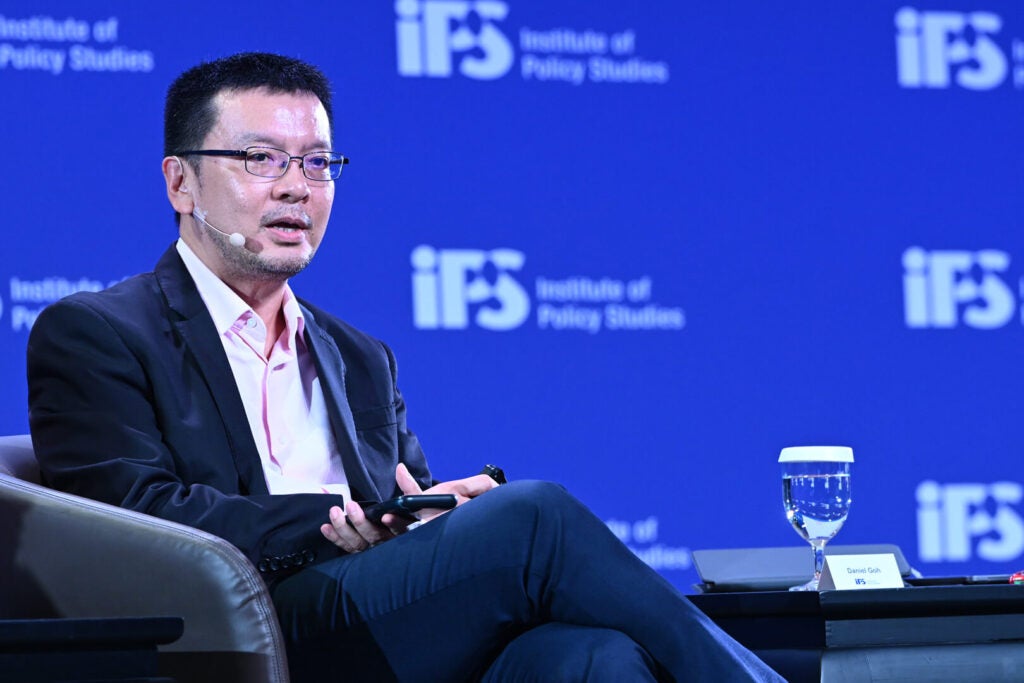
During the same panel discussion, Associate Professor Daniel Goh (Arts & Social Sciences ’98, MSocSci ’00), from the NUS Department of Sociology and Anthropology, highlighted the continuing prevalence of ‘superdiversity’, a subject he first discussed as early as 2018, where Singaporeans increasingly navigate multiple cultural identities. This extends beyond both political boundaries, looking outwards, and cultural ones, looking inwards. His observations aligned with findings from the Indicators of Racial and Religious Harmony study, which showed increased interest among respondents (41.8 per cent in 2024, up from 38.3 per cent in 2018) in learning about religious and cultural practices different from their own. Assoc Prof Goh also cited interracial marriages among citizens—now one in six, according to official 2023 statistics—and transnational marriages, which accounted for 36 per cent of citizen marriages in the same year. He suggested reconsidering culture as an evolving process, echoing the sentiment of the late pioneer statesman, Mr S Rajaratnam: “Being a Singaporean is not a matter of ancestry. It is conviction and choice.”
LOOKING AHEAD: BUILDING RESILIENCE IN A CHANGING LANDSCAPE
Speakers from across the spectrum, from grassroots organisers to senior policymakers, urged Singaporeans to work together to forge a future in which diversity is celebrated and social bonds continuously reinforced. This consensus reflected Singapore’s five Shared Values—that a more cohesive society is a shared responsibility among individuals, the community and the state.
As the IPS conference drew to a close, the overarching message was one of cautious optimism. Despite undeniable challenges in maintaining social cohesion, there is also a wealth of innovative ideas and a strong commitment from stakeholders. Discussions during the event underscored that the nation’s traditional strengths — its community spirit and resilience — remain intact, even as they are tested by rapidly evolving social dynamics.
To gain more insights on the state of Singapore’s social capital, visit https://lkyspp.nus.edu.sg/ips/events/details/singapore-perspectives-2025-community.
Photos by Jacky Ho for the Institute of Policy Studies, NUS
-
How NUS is Redesigning Undergraduate Education in the Age of AIAs generative AI transforms how we learn, work and think, NUS is taking a bold a... -
NUS: Reprogrammed for TomorrowIn just three years since the launch of ChatGPT, NUS has launched ambitious prog... -
Vox Alumni: Artificial Intelligence at WorkWith artificial intelligence poised to change the way we work, we asked alumni a...