WHAT ARE KEY QUALITIES ENTREPRENEURS SHOULD IDEALLY POSSESS?
Goh Yiping: Resilience, grit and connections. My first two start-ups didn’t work out, but I just kept coming back even though I was beaten to the ground. The ability to connect with all sorts of people is also integral. Raising money requires the right connections. Admittedly, coming from a well-connected background does have an impact, but I say to the underdogs: if you can’t beat them, join them. Be thick-skinned and find yourself in their crowd.
Jeffrey Tiong: Curiosity and an open growth mindset. For example, I wasn’t good at public speaking, but I challenged myself to grow. I also have people from 13 different nationalities in my company, so knowing how to work with all of them requires adaptability.
Amos Heng: Speaking as someone who is more junior, I would say resourcefulness is one of the most important qualities. In the start-up world, having a good idea alone doesn’t mean that things are going to happen. For example, an investor might seem very keen but might eventually decide not to invest. It is easy to feel like you are entitled to this, that and the other, but you require a resourcefulness to know where to get what you need when things fall through. Also, pick your battles. Motivational videos will tell you to keep pursuing your particular goal. But there is no shame in saying that something is not your fight.
Ng Zhen Ning: The key thing is to be positive. Conveying what I want to achieve can be challenging — when I say that I am in the space tech business, people think I am offering coworking spaces! The questions that others ask can make you very demoralised. But always think of what you want to do next and don’t give up.
Shamir Rahim: One thing often not talked about is that the role of the founder changes as the company grows. You might be a product manager at the start, and then an engineer; and when you restructure with growth, the way you do things has to change. It is not a ‘one-trick pirate ship captain’ thing, because one day the sole pirate ship needs to turn into a naval force.
IN YOUR OPINION, THEN, ARE ENTREPRENEIURS MADE OR BORN?
Amos: I’d say that entrepreneurship is nurtured, because anyone who knows me would say that I am not the “start-up type”. Yet here I am, a co-founder of my own company. NOC (NUS Overseas Colleges) started me on this journey, and I came to see that doing my own thing is the best way for me to be part of the med tech scene.
Jeffrey: When I was young, the expected path for graduates was to become an engineer, doctor, lawyer or accountant. Going to the US through NOC opened my eyes. That said, all skillsets can be learnt, but you cannot train a drive or a hunger to achieve something.
Yiping: It’s really not as binary as whether it is nature or nurture. It is both. I am probably born to want to be an entrepreneur — having helped out at my parents’ hawker stall since I was eight, and growing on a farm set up by my grandmother, whom I look up to. I have that raw drive to succeed but I kind of never knew what to do, or where to even start. Through the NOC programme, we saw a different degree of polish when it comes to entrepreneurship. It also offered us great courses for training with the greatest minds. Being forced to come up with ideas within a short time frame also sharpened us and showed what we are made of.
Zhen Ning: Similarly, my dad started his own tech business back when I was seven or eight and I looked up to him. I would even follow him to his client meetings. You could say that I was born to lead an entrepreneur’s path, but I wouldn’t have followed him if I wasn’t inherently interested.
Shamir: To use a scientific analogy: a bacterial system might randomly have a gene for antibiotic resistance, but you need the right conditions for the gene to express itself. I liken this to entrepreneurship: you need the right conditions to bring out what might be within you — and NOC did that for me.
WHAT WAS THE BIGGEST CHALLENGE IN YOUR ENTREPRENEURSHIP JOURNEY, AND HOW DID YOU OVERCOME IT?
Shamir: One of the biggest challenges during our first five years was the change of staff. For example, you start the company with your first few team members who follow you for years and believe in your vision. Their departure can be painful, and you also develop a survivor’s guilt. But you just have to wrap your head around it, wish them well and prop them up if need be.




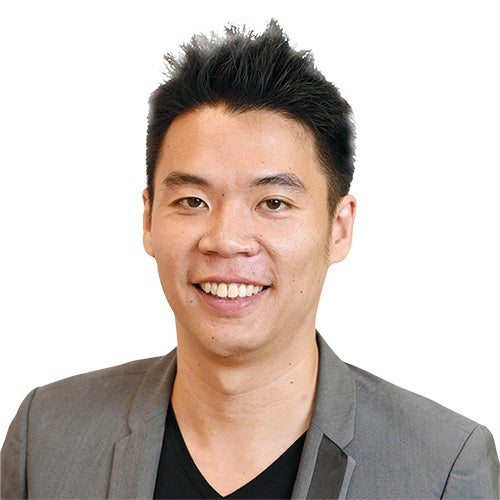
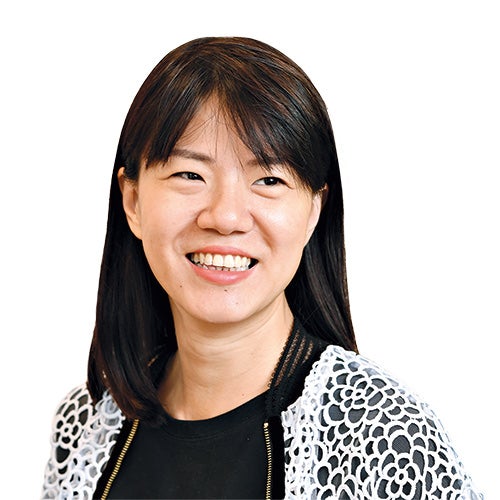
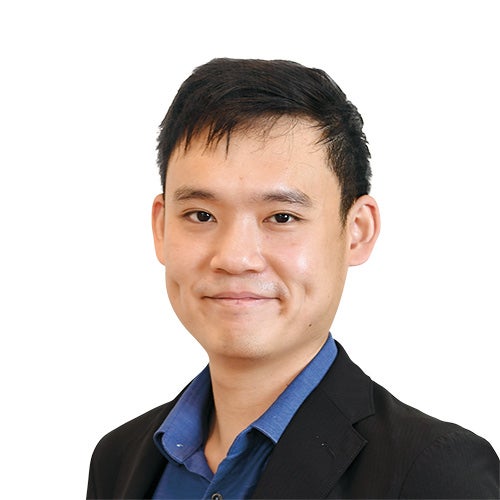
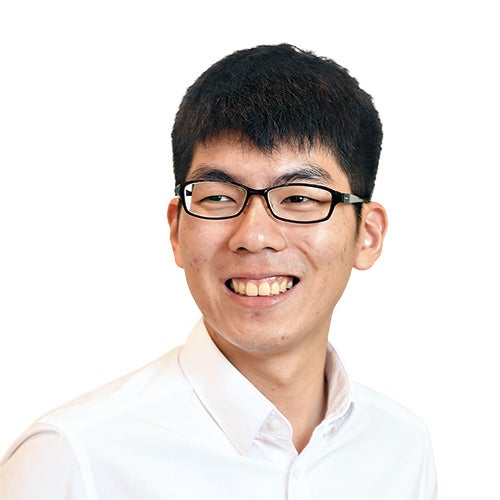
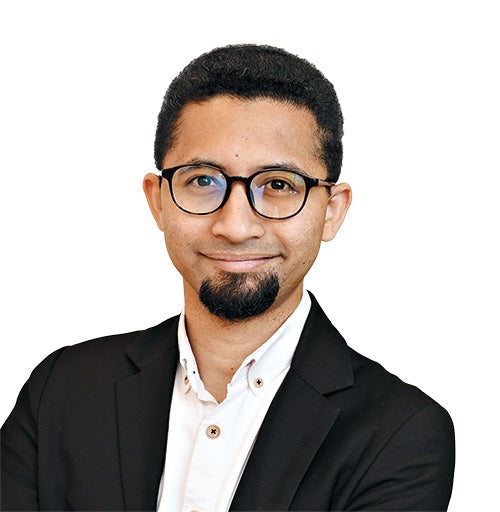
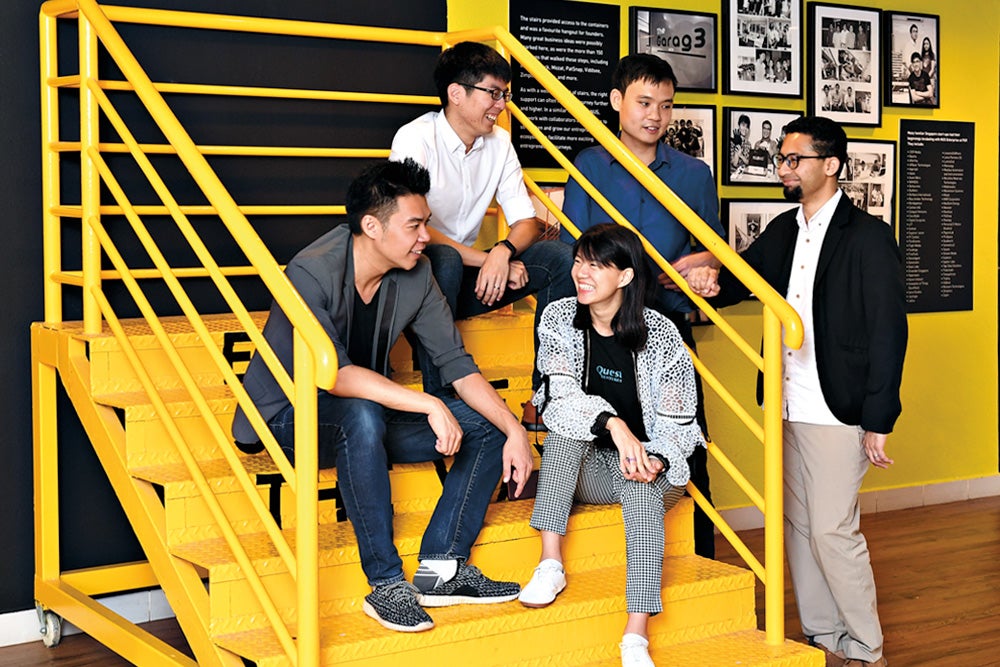
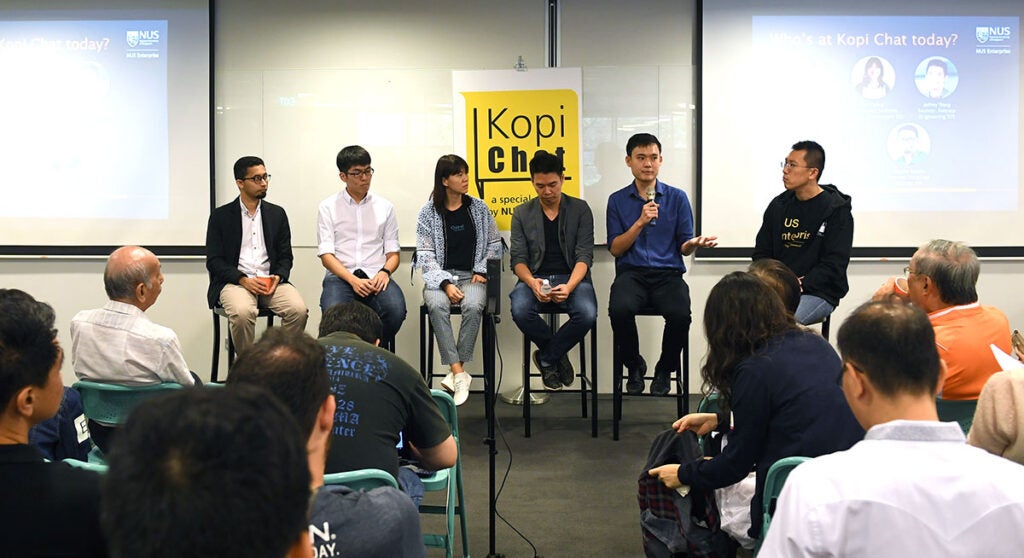
 This issue’s Forum topic was debated at a special installment of Kopi Chat, held on 31 August at The Hangar, and co-organised by NUS Enterprise and Alumni Relations.